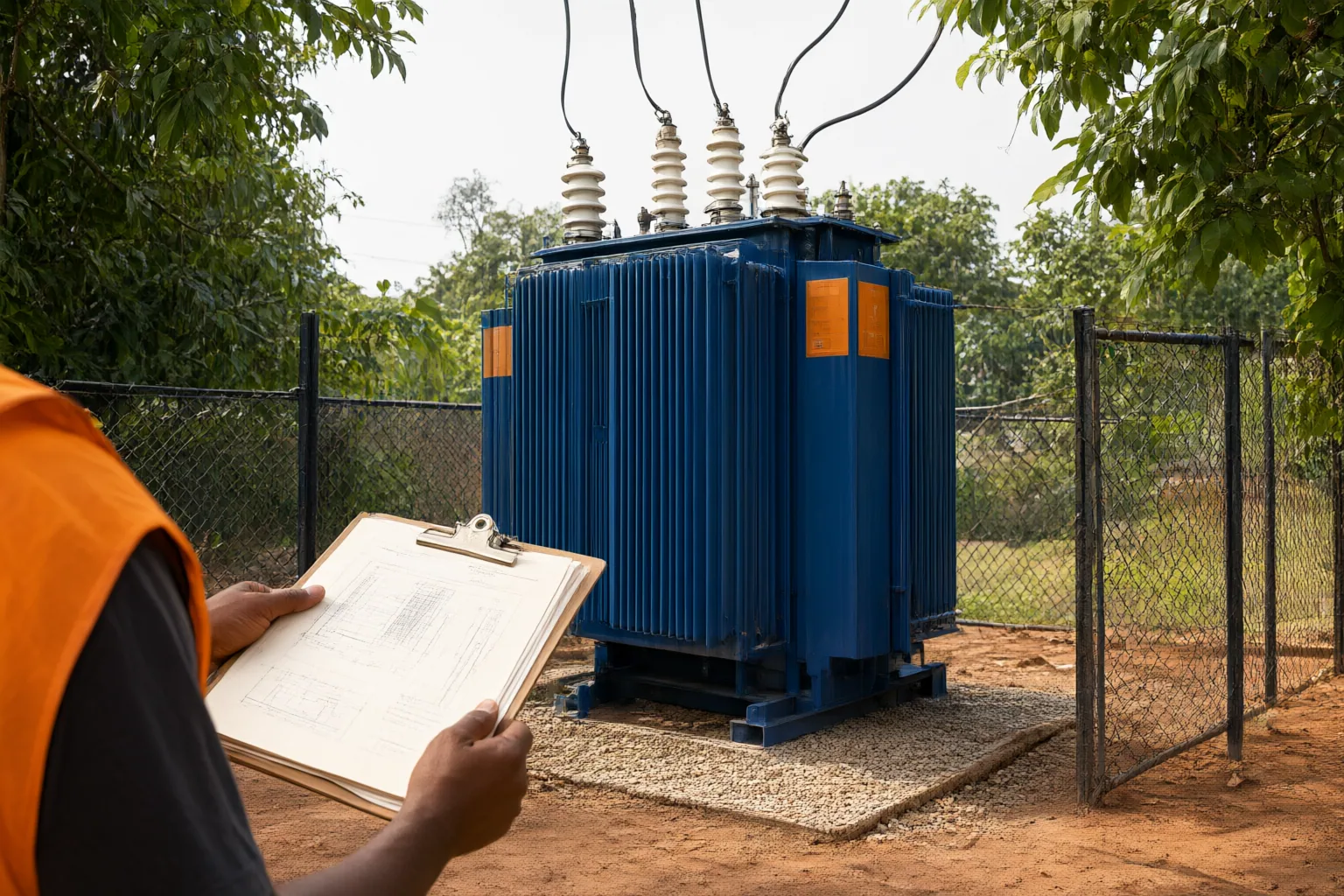
Before residents contribute to a community transformer or network upgrade, they should obtain a written agreement with the DisCo covering the project scope, technical requirements, responsibilities, payments, any refund arrangement and the complaint route. NERC says customers are not ordinarily expected to purchase or repair utility assets, so a voluntary contribution should follow the applicable investment regulation and be fully documented.
First establish whether residents should be paying
Start by asking the DisCo to explain in writing why community funding is being proposed. NERC states that customers are not ordinarily expected to purchase poles, transformers or other utility assets because their cost is incorporated for recovery through electricity tariffs. Consumers are also not required to pay for the repair or replacement of DisCo assets unless it is proven that they wilfully destroyed them.
A voluntary community investment is therefore different from an informal demand that residents assume an ordinary utility responsibility. Where a DisCo cannot fund required materials, NERC says customers may choose an agreement under which the utility refunds the full cost over an agreed period. NERC also advises communities voluntarily funding network assets to follow the applicable investment regulation and maintain a well-documented agreement with the DisCo covering the purchase or donation.
Before collecting money, residents should obtain written confirmation of whether the proposal is a donation, a recoverable investment or another arrangement. The document should identify the contracting parties, the asset concerned and the agreed terms. Do not rely only on verbal assurances or meeting recollections.
Document the complete project scope and responsibilities
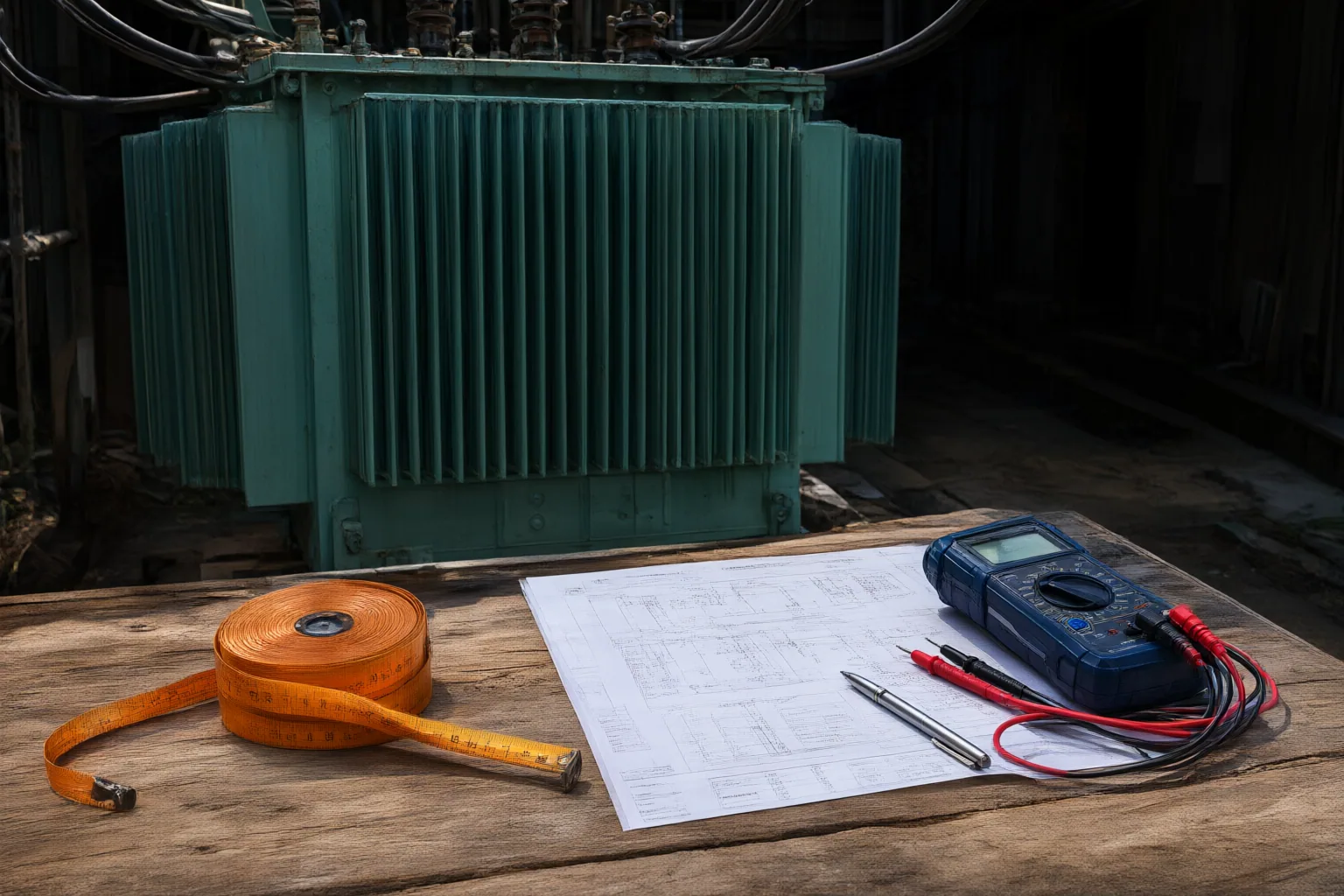
The agreement should define both the equipment and every step needed to place it in service. Record whether the project includes the transformer, poles, cables, other required materials, installation, inspection, certification, connection and energisation. Assign responsibility for each item to the community, the DisCo or another identified party, and obtain the DisCo’s technical specifications and inspection requirements before anything is purchased or installed.
The need for this clarity is illustrated by two reported disputes whose competing accounts should not be treated as independently verified findings. FIJ reported that several Osun neighbourhoods tried to fund poles and connection work after receiving a transformer whose procurement did not include installation. Residents and representatives of the lawmaker involved gave different accounts of the options and responsibilities that had been agreed. An aide referred to meetings but had not supplied FIJ with a promised agreement by publication time.
The Premier News separately reported that an Ogun community said it funded and installed a transformer following an earlier donation. IBEDC said the community contacted it only after installation and that inspection found the transformer refurbished, substandard and unsuitable for certification under its network specifications.
These reports show why residents should document the DisCo’s prior involvement, approved equipment specifications, inspection stages, acceptance conditions and the party responsible for correcting rejected work. Written scope should also state what happens if participation is insufficient to complete the project after some residents have paid.
Record contributions, approvals, refund terms and complaints
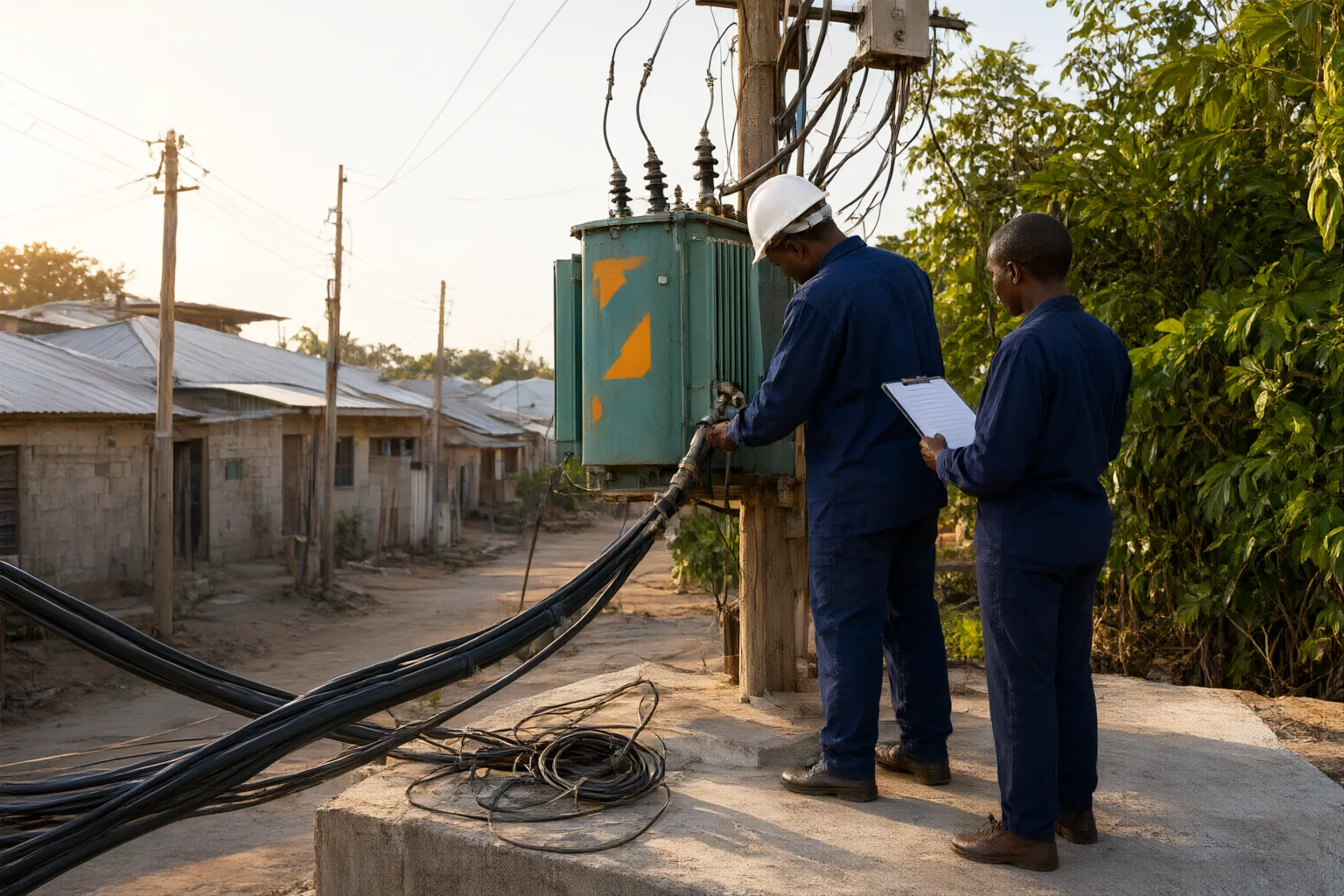
Create a project file that allows every payment, decision and approval to be traced. It should contain:
- the signed agreement with the DisCo;
- meeting decisions and the names of authorised community representatives;
- a contributor register showing each amount paid;
- receipts for contributions and purchases;
- quotations and a clear statement of the total project cost;
- the agreed asset and work specifications;
- written approvals, inspection findings and certification records;
- the responsibilities and timing for installation, connection and energisation;
- any refund amount, schedule and conditions; and
- the written route for submitting and escalating a complaint.
If the arrangement is recoverable, the agreement should expressly record that status and specify how the full cost will be refunded over the agreed period. If it is a donation, that should also be unambiguous. Residents should retain copies of the final signed documents and every receipt rather than leaving the only records with one representative.
The supplied NERC guidance refers to an applicable investment regulation but does not reproduce all of its procedures. Residents should therefore ask the DisCo to identify the applicable requirements and complaint process in writing before payment. Records of inspections and approvals are especially important because, as the reported Ogun dispute illustrates, installation does not by itself establish that equipment will be certified or connected.
Conclusion
The minimum pre-payment file should contain the signed DisCo agreement, complete project scope, approved technical specifications, inspection and certification process, allocation of installation and energisation duties, contributor and receipt records, financial terms and complaint route. These documents reduce the risk that residents fund equipment while essential connection work remains unassigned or the DisCo later declines to certify it.
Before collecting or paying money, pause the project until the DisCo has confirmed those details in writing. Keep the agreement and every payment, purchase, approval and inspection record together for future reference.
Disclosures and limitations
- This article was prepared with AI assistance from the supplied NERC guidance and attributed news reports. Reported disputes remain attributed to their respective sources and are not presented as independently verified findings.
- No products are recommended and no affiliate relationship is involved. The supplied NERC excerpt does not reproduce every procedural requirement of the applicable investment regulation.
Related reading
- Renewable Energy in Nigeria
- Eko Power’s Cost-Reflective Tariff: What It Means for Electricity Bills and Solar Decisions
- Used Solar Batteries in Nigeria: Questions to Ask About Collection, Recycling and Disposal
Sources
- NIGERIAN ELECTRICITY REGULATORY COMMISSION — nerc.gov.ng
- Transformer Has Powered Nothing Since Rep Lukman Mudashiru Sent It to Osun Community 10 Months Ago — Foundation For Investigative Journalism
- About — comtranes.org
- Residents Protest as IBEDC Rejects Community-Funded Transformer in Ogun – The Premier News — The Premier News