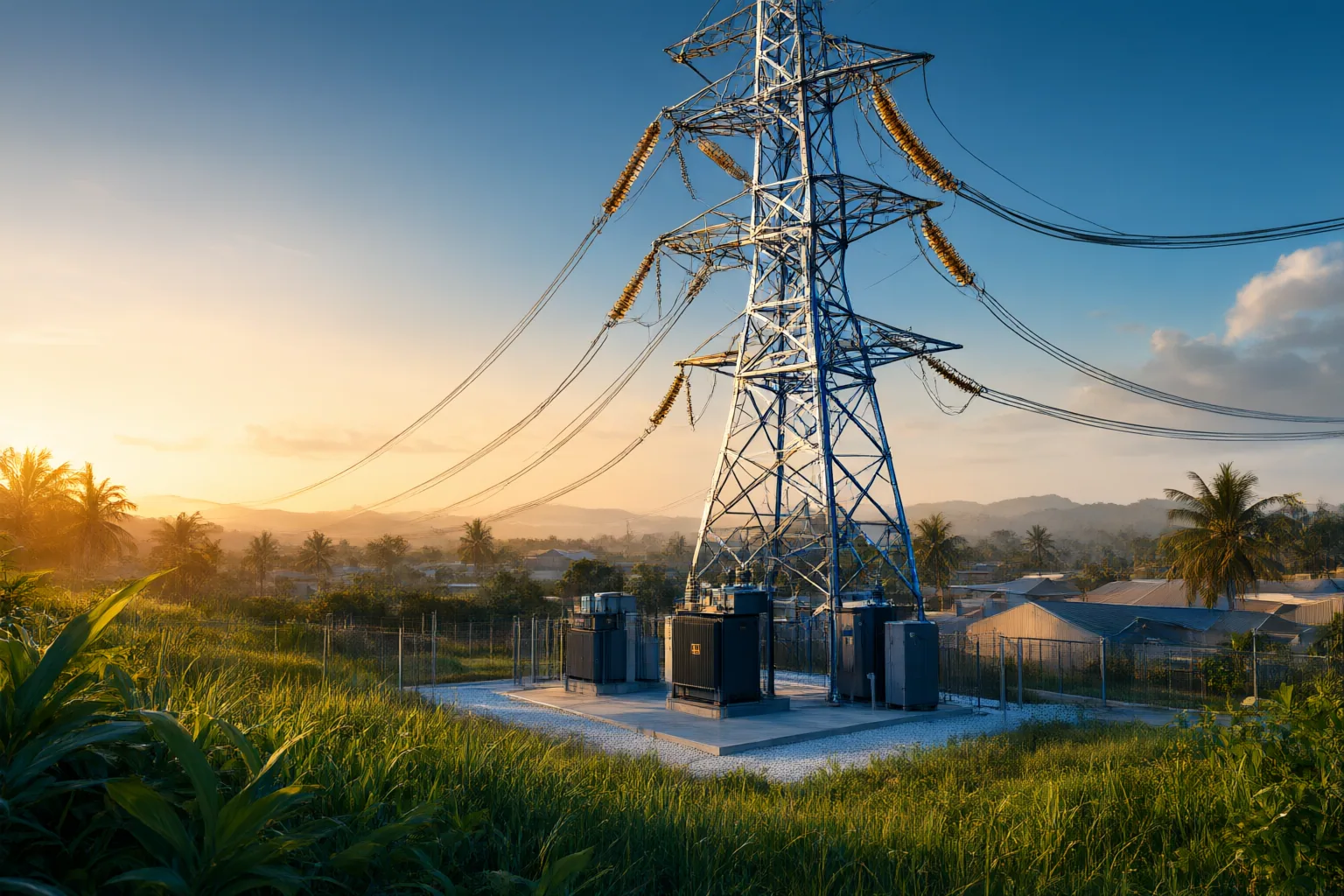
The African Energy Bank could become relevant to electricity investment in Nigeria because its stated remit covers the broader energy value chain and its founders have highlighted power generation and transmission. However, the available launch information confirms no dedicated electricity-financing window or approved Nigerian power project.
What the African Energy Bank is
The institution, referred to in the supplied sources as the Africa Energy Bank, is a partnership between the African Petroleum Producers’ Organization (APPO) and the African Export-Import Bank. APPO presents it as a new source of capital for African oil, gas and broader energy industries, with stated goals that include energy security and a transition toward cleaner energy sources.
APPO describes the bank as an independent, supranational financial institution with its own governance and decision-making arrangements, rather than an institution supervised by one country’s central bank. Launch reports from Business Insider Africa and World Oil cite capitalization of $5 billion.
Its announced scope extends across the energy value chain. The launch coverage identifies activities such as exploration, production, refining and distribution, while World Oil reports that the bank will seek investment from governments, national oil companies, financial institutions and private investors. These descriptions establish a broad financing ambition, but they do not yet show how capital will be divided among different energy activities.
Why its launch in Abuja matters to Nigeria
The bank’s inaugural general meeting was held in Abuja. World Oil identifies October 31 as the launch occasion, while Business Insider Africa reported on November 2, 2026 that the meeting had appointed Helmy Ghazi as the bank’s first president and constituted its first board of directors. Business Insider Africa also reports that Nigeria secured the right to host the headquarters in July 2024 after competing bids from other African countries.
For Nigerian electricity-sector stakeholders, the Abuja headquarters makes the institution especially visible and potentially easier to monitor as its governance, financing criteria and project pipeline develop. Hosting the bank, however, is not the same as receiving project finance. Neither launch report identifies an approved Nigerian generation, transmission or distribution project, and neither provides evidence that a specified portion of the bank’s capital has been reserved for Nigeria.
The immediate significance is therefore institutional: Nigeria hosts a newly established African energy-finance institution. Any practical benefit for the country’s electricity sector will depend on later financing rules and project decisions.
Where electricity financing could fit within its mandate
Electricity infrastructure may fit within the bank’s broader energy mandate, but the supplied evidence supports only a cautious connection. World Oil reports that the founding organizations highlighted investment in power generation and transmission as necessary for industrial growth. APPO also frames the institution’s role in terms of the wider energy industry, energy security and movement toward cleaner sources.
That language leaves room for electricity-related financing, including possible generation or transmission proposals. It does not establish which technologies, project structures, countries or borrowers would qualify. The available sources do not publish electricity-project eligibility criteria, a dedicated power-sector funding window or an allocation for Nigerian electricity infrastructure.
The emphasis in the launch material also matters. The stated mandate prominently covers oil and gas, and the examples reported across the value chain include exploration, production, refining and distribution. Stakeholders should therefore avoid assuming that the full $5 billion capitalization is available for power projects or that cleaner-energy objectives will automatically take priority over hydrocarbon financing.
Potential borrowers, investors and policymakers need several pieces of project-level information before assessing the opportunity: eligible electricity activities; financing instruments and conditions; any country or sector limits; and formally approved projects. Named investments in Nigerian generation, transmission or distribution would provide stronger evidence of sector relevance than broad institutional objectives alone. Until such information appears, claims about effects on electricity supply, access, tariffs or infrastructure remain prospective analysis rather than documented outcomes.
Conclusion
The African Energy Bank gives Nigeria a prominent place in a new energy-finance institution because Abuja hosts its headquarters. Its broad mandate and the founders’ reference to generation and transmission make it relevant to power-sector observers, but its launch does not itself demonstrate new financing for Nigerian electricity projects.
The distinction between institutional potential and committed capital is essential. The bank’s public positioning combines support for oil and gas with broader energy-security and cleaner-energy objectives, while the available reports provide no detailed electricity-financing programme. Readers should track official eligibility rules, funding windows and announcements of named Nigerian generation, transmission or distribution projects before treating the bank’s establishment as evidence that electricity funding has arrived.
Disclosures and limitations
- This article was prepared with AI assistance from the supplied research package. Material claims are attributed to information from APPO, Business Insider Africa and World Oil; no independent product testing or firsthand reporting is claimed.
- This article contains no product recommendation or disclosed affiliate offer. Readers should verify subsequent financing criteria and project approvals through official announcements.
Related reading
- Data & Reports for Nigeria’s Electricity Sector
- Moving Out: How to Request a Final Electricity Bill in Nigeria
- How to Check Whether Your Estimated Electricity Bill Complies With Nigeria’s Applicable Billing Cap
Sources
- The Africa Energy Bank (AEB) | APPO — African Petroleum Producers' Organization (APPO) | APPO
- Africa Energy Bank – Wikipedia — en.wikipedia.org
- The African Energy Bank (AEB) | AEICORP — Africa Energy Investment Corporation (AEICORP)
- Africa creates $5 billion energy bank as Western financing retreat forces continent to rethink how it funds oil and gas — Business Insider Africa
- Africa Energy Bank launches in Abuja with $5 billion to back upstream oil and gas — worldoil.com