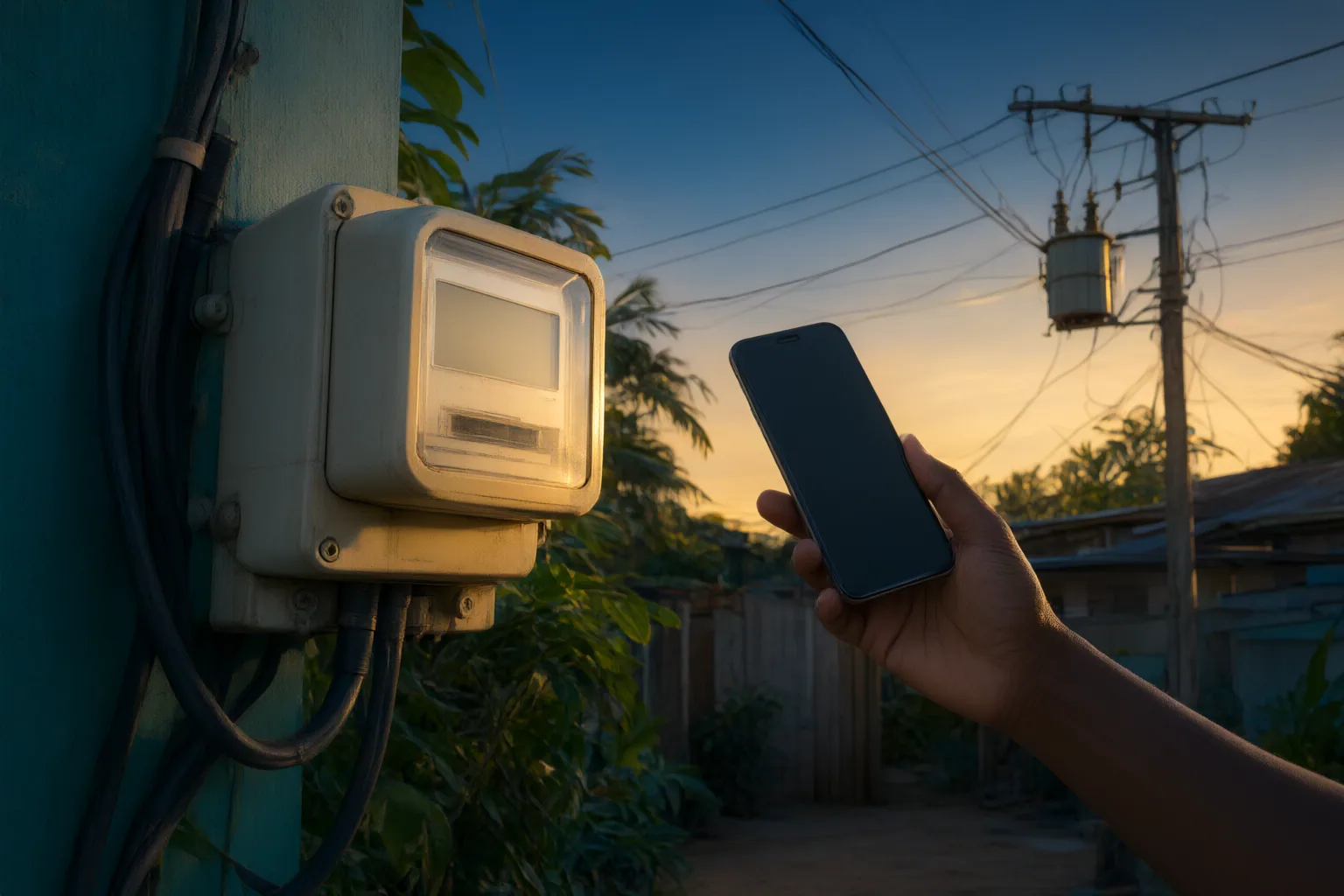
Treat an unsolicited electricity account recovery offer cautiously when the sender claims your bill is overdue, threatens immediate consequences, demands payment, or asks for sensitive information. Verify the offer through contact details on the provider’s official website or your billing statement.
Warning signs in an unsolicited recovery offer
A documented utility-impersonation pattern begins with someone presenting themselves as an electricity provider’s employee. The person may say that an account is overdue, warn that service will be disconnected, mention penalties, or demand immediate payment. These elements are especially concerning when they are combined to prevent the recipient from pausing and checking the claim independently.
Urgency is therefore an important warning sign, but it should be assessed alongside the sender’s conduct. A demand to pay immediately, backed by threats of disconnection, extra fees, or legal consequences, creates pressure to follow the contact’s instructions before confirming whether the account problem is real. The scam-awareness source describes this pressure as part of electricity-bill impersonation scams.
A caller or message using these tactics should not be assumed genuine merely because the subject concerns an existing electricity account. The documented signs support concern about utility impersonation and payment fraud. They do not, by themselves, prove that the contact is attempting to take over an email or messaging account, because the supplied research does not describe those specific takeover methods.
Requests for personal or payment information
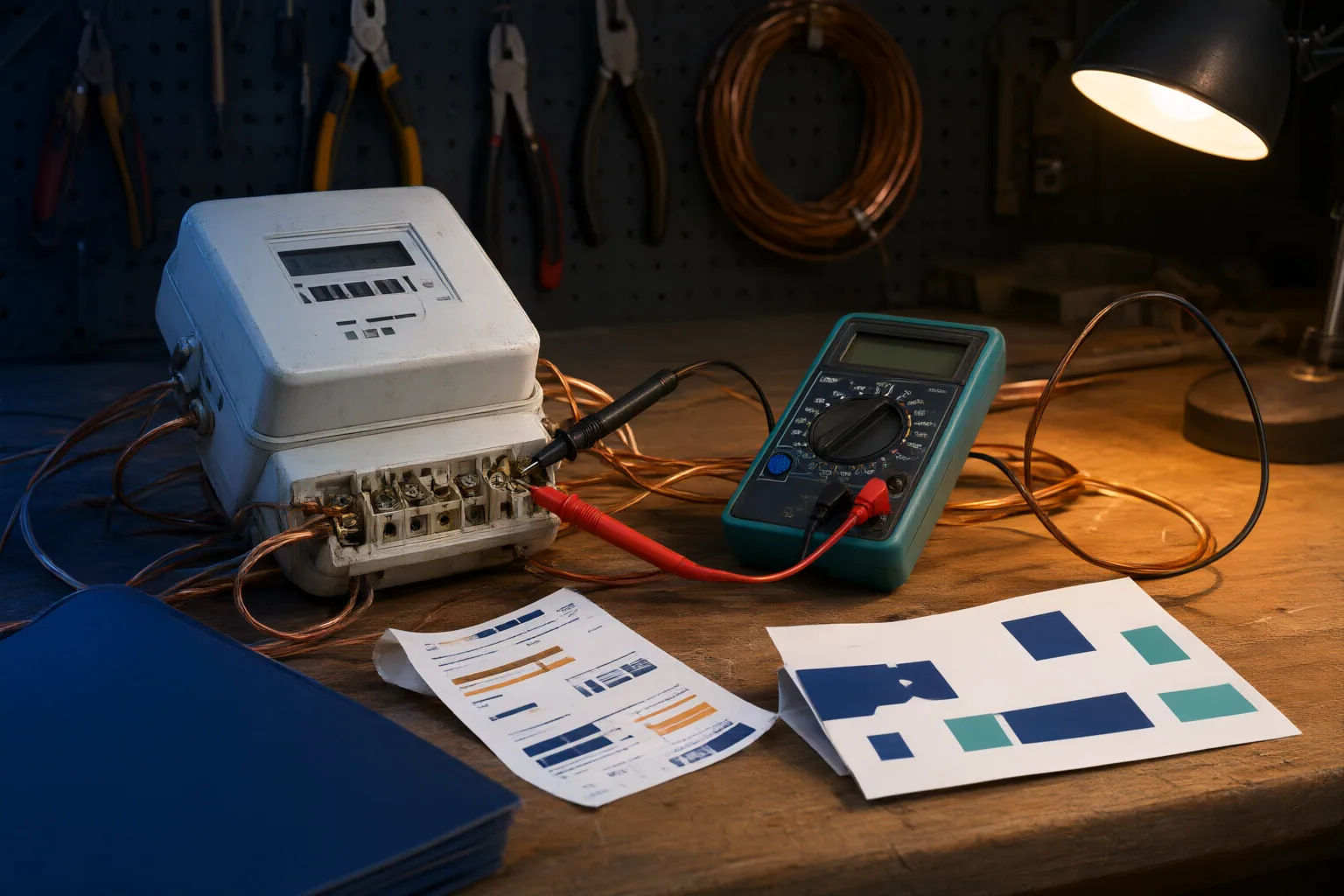
Another warning sign is a request for sensitive personal or payment information presented as necessary to “verify” the electricity account. According to the scam-awareness source, utility impersonators may use this explanation to make the request appear routine. When the request arrives through an unsolicited call or message, the claimed verification process should not be trusted without an independent check.
Basic familiarity with the consumer is not sufficient proof of legitimacy. An impersonator may already possess details such as a name or address, and that knowledge can make later questions appear credible. Those basic details do not establish that the person represents the electricity provider or is authorised to recover the account.
Consider the entire interaction: an identity claim, an overdue-account allegation, pressure to act quickly, and a request for sensitive information or payment form a stronger warning pattern than any one element alone. The available evidence supports treating such conduct as a possible utility-impersonation attempt. It does not identify a particular request, link, or prompt as an email- or messaging-account takeover technique.
How to distinguish a pitch from documented assistance
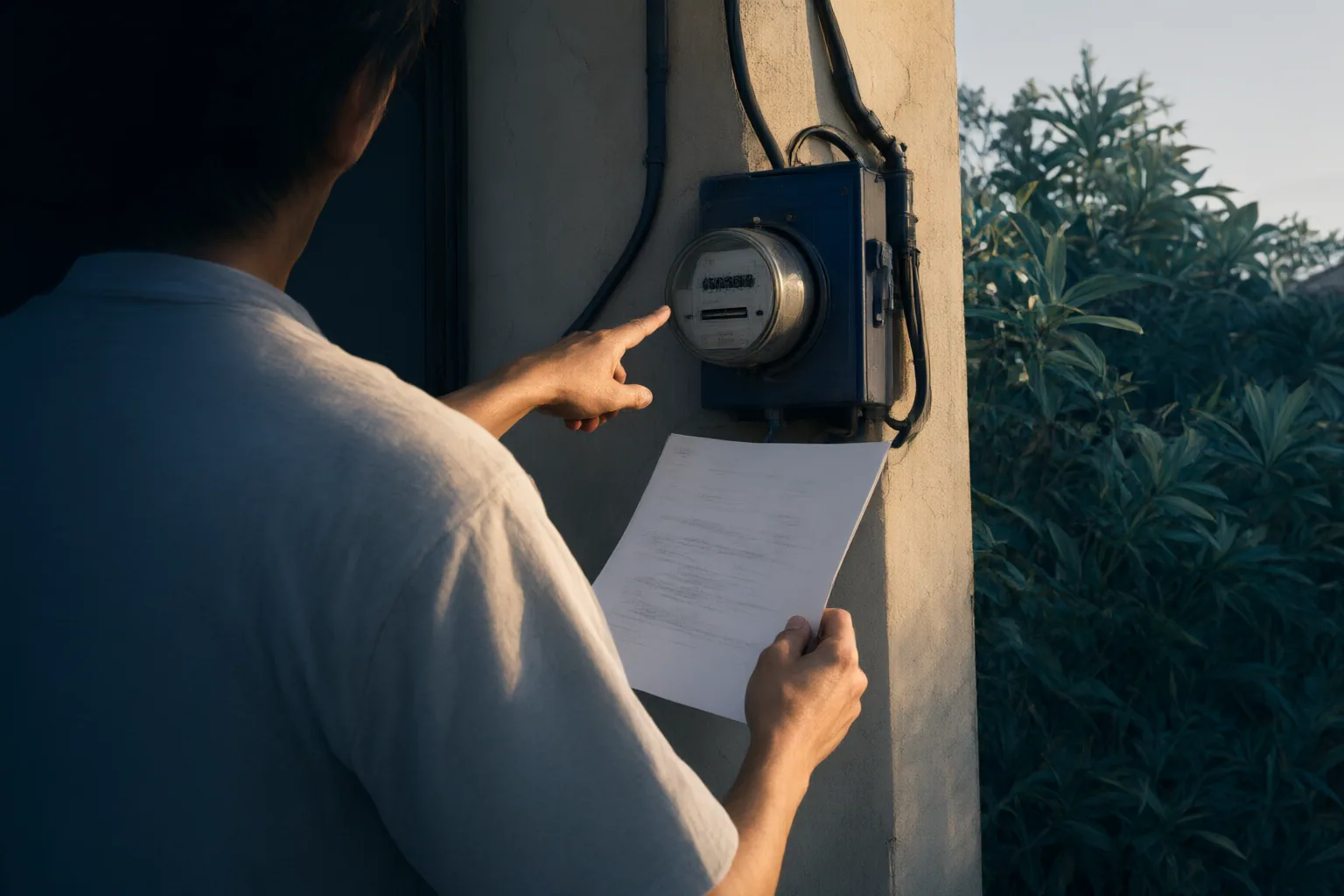
Genuine bill assistance can exist, which is one reason an unsolicited recovery pitch may sound plausible. The useful distinction is not simply whether help is being offered, but whether the assistance can be found and confirmed through the provider’s official channel without relying on the sender’s directions.
PG&E’s official assistance page, for example, documents structured options including bill discounts, payment arrangements, payment extensions, and help with past-due bills. This shows how a utility may publish defined forms of assistance through its own website. It does not mean that every provider offers the same options, and these examples are specific to a US utility serving California; they should not be presented as Nigerian programmes or procedures.
By contrast, the scam-awareness source describes impersonators who combine overdue-account claims with threats and immediate payment demands. A consumer should therefore separate the offer from the person delivering it: independently locate the provider’s official website or use the contact information printed on a billing statement, then ask whether the claimed account issue and assistance option exist. Do not treat contact details supplied by the unsolicited sender as independent confirmation.
Conclusion
When an electricity account recovery offer arrives unexpectedly, pause the conversation. Do not let a disconnection threat, penalty warning, or demand for immediate payment prevent independent verification. Avoid supplying requested personal or payment information while the sender’s identity remains unconfirmed.
Next, find the electricity provider’s contact details yourself. Use its official website or the details shown on your billing statement rather than a number, address, or other instruction supplied by the unsolicited contact. Ask the provider directly whether the account is overdue, whether the threatened action is real, and whether the proposed assistance is an officially documented option.
The supplied evidence supports these steps as general protection against utility impersonation. It does not document warning signs specific to the takeover of email or messaging accounts, and it does not establish Nigerian utility procedures or reporting channels. Consumers in Nigeria should therefore avoid treating the US examples as local policy. The concrete next action is simple: stop engaging with the unsolicited sender and independently contact your electricity provider through an official channel.
Disclosures and limitations
- This article was prepared with AI assistance from the supplied research package and approved content plan; it does not reflect personal testing, purchasing, interviews, or product use.
- The evidence consists of a commercial scam-awareness source containing affiliate promotions and an official PG&E assistance page. The sources support general utility-impersonation guidance and a US assistance example, not specific account-takeover methods or Nigerian procedures.
Related reading
- Digital Safety Guides for Risky Links and Online Claims
- How to Assess a Browser Extension Request for an Electricity Outage Map
- How to Check a Regulator Endorsement Claim Made by an Online Electricity Platform
Sources
- Electricity Bill Phone Scams: What You Need To Know! — MalwareTips Blog
- Financial Assistance | PG&E — pge.com