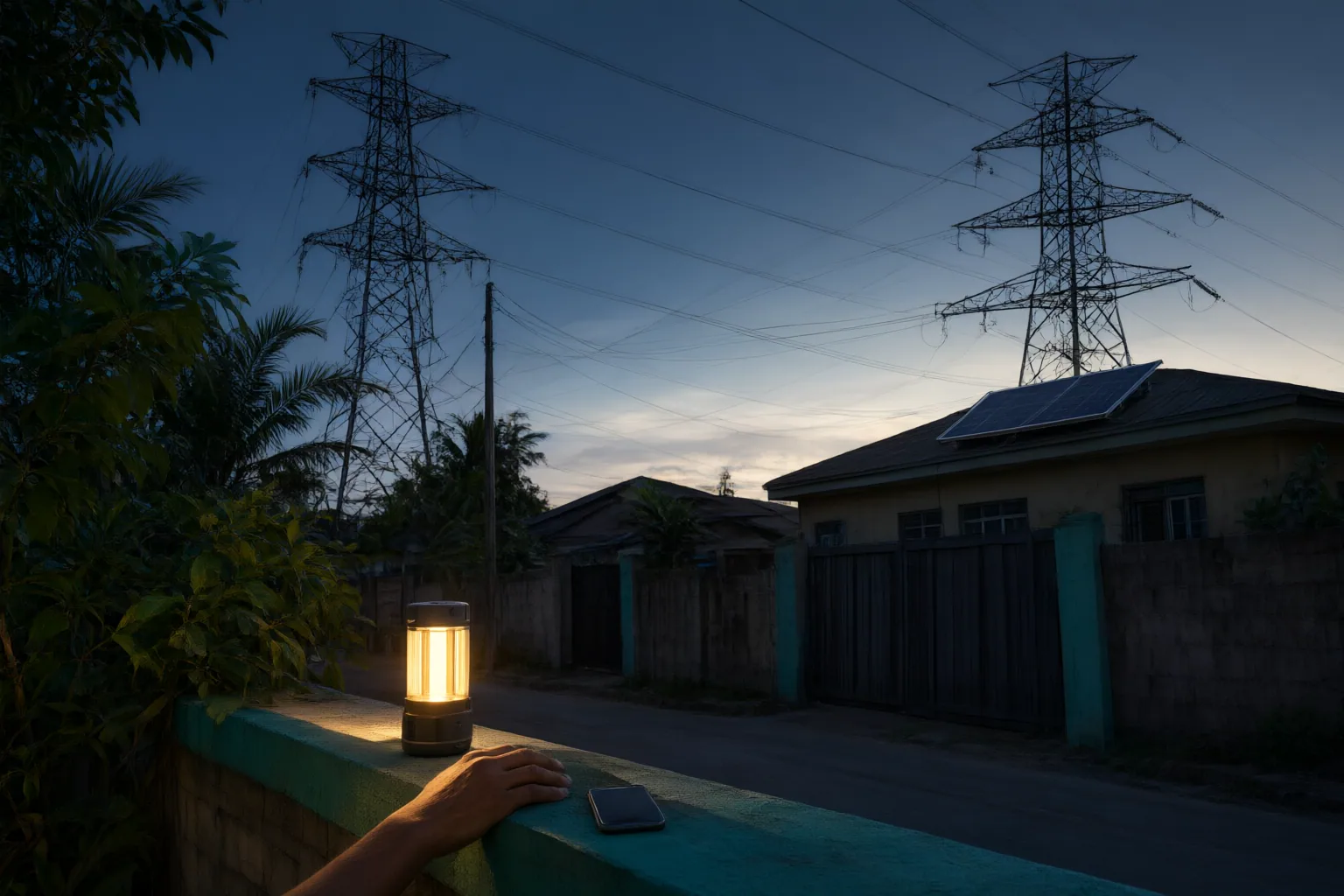
To prepare an electricity outage report in Nigeria, record when and where the interruption occurred, note whether advance notice was provided, and compare the hours of supply with your billed tariff band. Then confirm the current official complaint channel directly with your electricity distribution company, because the available sources do not establish nationwide reporting contacts or escalation steps.
Identify the outage and record what happened
Start by distinguishing an apparently unplanned outage from a planned interruption. The FCCPC says electricity customers are entitled to three working days’ prior notice of a planned power interruption. If notice was issued, retain it and record when and how it was received.
Create a clear outage record containing the date, start and end times where known, affected location, account or meter details, and whether neighbouring premises were also affected. These details can help describe the problem consistently without assuming its cause. Preserve any relevant messages or notices from the distribution company.
The supplied evidence does not verify a single nationwide outage-reporting procedure, current distribution-company contact details, complaint-reference practices, or escalation routes. Consumers should therefore confirm the current official reporting channel directly with their own electricity distribution company before submitting account information.
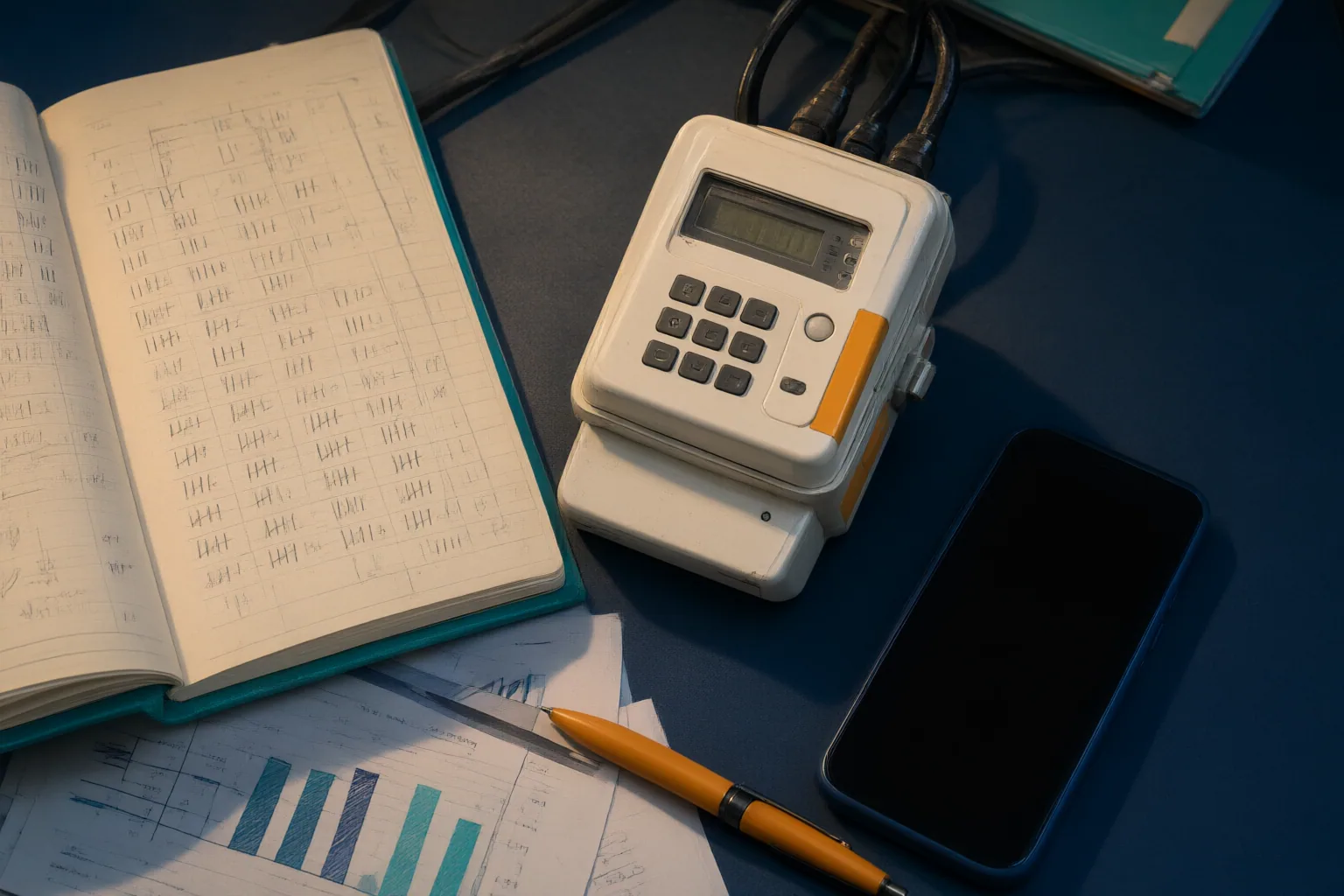
Check whether supply hours raise a tariff-band concern
An outage record may also help a consumer assess whether actual supply appears consistent with the tariff band used for billing. The FCCPC states that customers should be billed according to the hours of electricity supplied under the approved band classification and that they may contest their assigned tariff band.
Historical context helps explain the connection. BBC News Pidgin reported that the service-reflective tariff introduced in September 2020 divided distribution-company customers into Bands A through E according to stated daily supply hours. It also reported that Nigeria’s 11 distribution companies had begun notifying customers about the plan following a NERC directive. People interviewed in that report expressed concern about higher tariffs without a corresponding assurance of reliable supply.
That 2020 report should not be treated as proof of today’s tariff rates or band thresholds. Use current information shown by the relevant distribution company or regulator when evaluating a present bill. A dated record of actual supply interruptions can nevertheless help explain why a customer believes the billed classification should be reviewed.
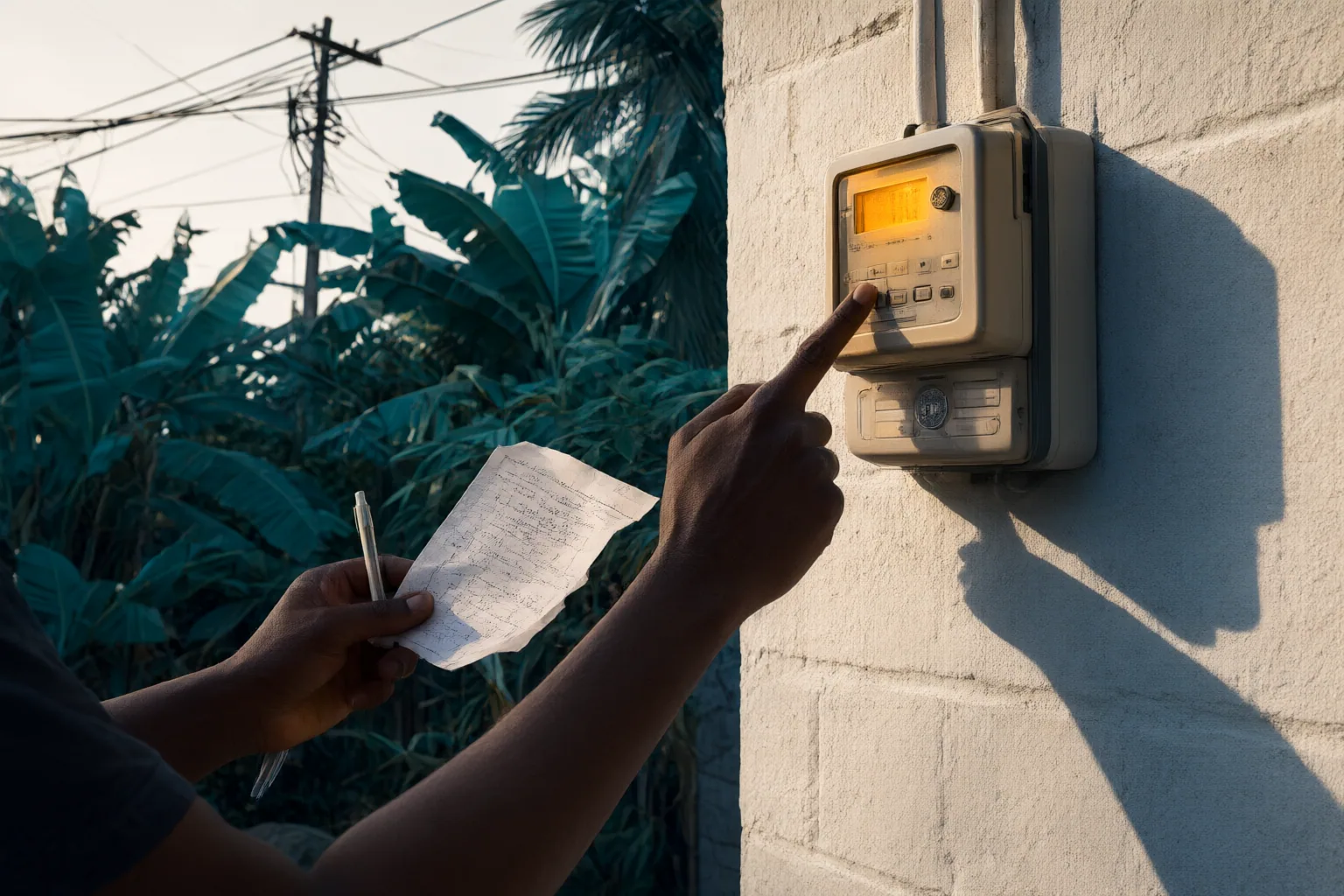
Separate an outage report from a billing dispute
A report that electricity is unavailable and a challenge to a bill or tariff band are related, but they address different concerns. The outage report describes interrupted supply and may seek attention to the service problem. A billing dispute challenges the amount charged or the classification applied to the account.
When contacting the distribution company, label each concern clearly. For the outage, provide the recorded period, location, account or meter details, and any planned-interruption notice. For a band concern, organize the supply-hour record alongside the band shown on the bill. For a disputed charge, identify the bill in question and preserve earlier undisputed bills for comparison.
The FCCPC states that a consumer may contest a bill, withhold payment of the disputed bill, and pay the last undisputed bill while the dispute is being resolved. This statement supports distinguishing the specific disputed bill from an outage report. The available sources, however, do not specify the current submission process or escalation route, so consumers should verify those procedural details through their distribution company’s current official channel.
Conclusion
Consumers can prepare a clearer report by preserving the outage period, location and account or meter details; checking whether a planned interruption was announced at least three working days in advance; and comparing actual supply hours with the billed band. Outage, tariff-band and billing concerns should be identified separately even when they arise from the same interruption.
The supplied sources do not establish current contact details, complaint-reference procedures or escalation routes. Before reporting, confirm the official channel directly with your electricity distribution company, then submit the relevant outage record and retain a copy of the information provided.
Disclosures and limitations
- This article was prepared with AI assistance from the supplied FCCPC guidance and BBC News Pidgin reporting. It does not add independently verified contact details, reporting procedures or escalation routes beyond those sources.
Related reading
- Electricity Consumers in Nigeria
- Nigeria Power Supply Data: How to Read Capacity, Generation and Per-Capita Figures
- Nigeria Electricity Estimated Bills: What Consumers Need to Know
Sources
- New electricity tariffs in Nigeria 2020 hike for kilowatt unit of energy frustrate pipo from Ikeja to Abuja – See how much you go pay now & why NERC announce sudden hike – BBC News Pidgin — BBC News Pidgin
- electricity consumer rights & responsibilities – Federal Competition & Consumer Protection Commission — Federal Competition & Consumer Protection Commission
- Electricity prices by user group in Nigeria 2025| Statista — Statista
- Electricity Costs After Regulatory Changes — linkedin.com