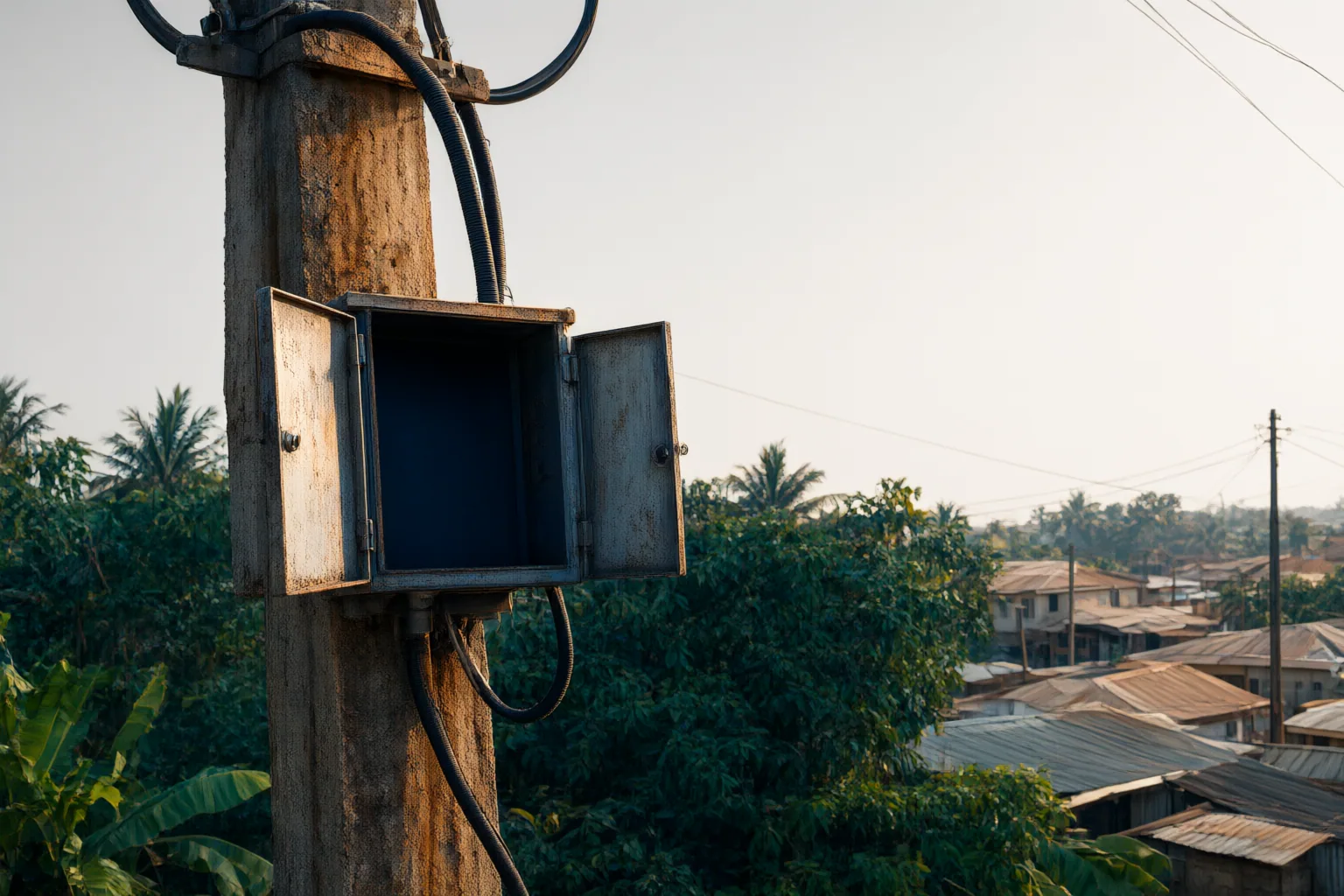
Estimated electricity bills remain common in Nigeria because many registered customers still lack meters. Understanding the difference between measured and estimated charges can help consumers assess bills in the context of their actual electricity supply.
What estimated electricity billing means
An estimated electricity bill is a charge that is not based on a direct meter reading of a household’s consumption. Where a customer has no meter, the amount billed may instead be calculated through an estimation or direct-billing arrangement. This distinction matters because an estimate does not show precisely how many units that particular household consumed during the billing period.
A general description of Nigerian payment methods identifies prepaid and postpaid arrangements as common. Under prepaid service, consumers pay for measured electricity units in advance. Postpaid service commonly involves receiving a bill after the supply period and, for customers without meters, may take the form of estimated billing.
These descriptions help explain the basic difference between paying for metered units and receiving an estimate, but they are not current regulatory instructions. The supplied evidence does not define how a distributor must calculate an individual bill or what legal protections apply. Consumers should therefore avoid assuming that a general explanation determines whether a specific charge complies with current rules.
How Nigeria’s metering gap sustains estimated bills
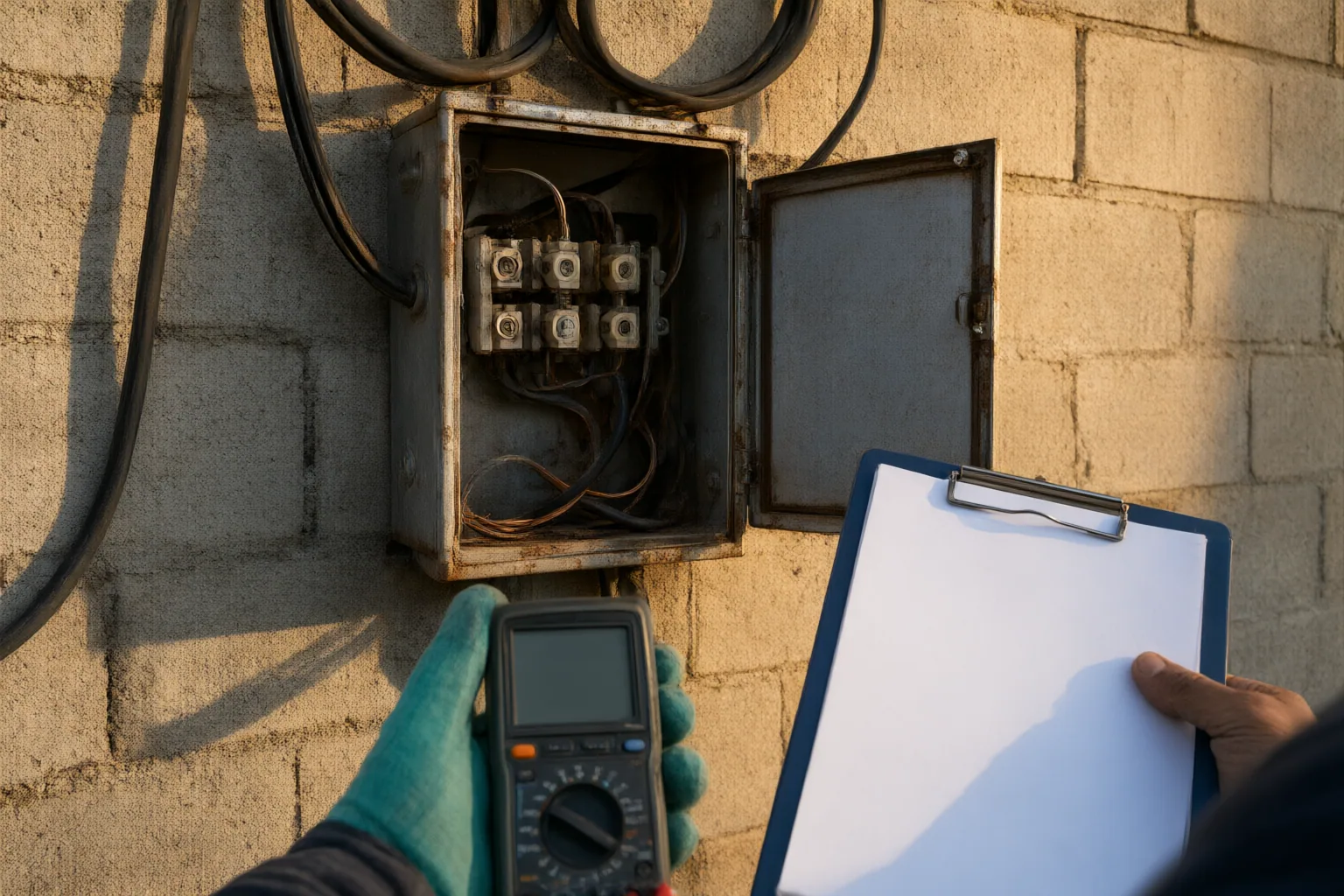
Estimated billing remains widespread because Nigeria has a substantial gap between the number of registered electricity customers and the number with meters. The Conversation reported that, as of December 2024, 6.29 million of 13.5 million registered customers across 12 distribution companies were metered. That represents a metering rate of 46.57%, leaving more than half of consumers subject to estimated billing according to the article.
Separate survey evidence also illustrates the scale of the issue. In a 2023 NOIPolls survey, 57% of respondents said they had an electricity meter, while 43% of grid-connected respondents said they did not. Among those without meters, 62% reported paying through estimation or direct billing by PHCN.
The two sets of figures should not be compared as if they measured the same population at the same time. The December 2024 figures concern registered customers and are presented as administrative sector data, whereas the 2023 figures report answers from survey respondents. Their percentages may differ because of their dates, coverage and methods. Taken within those limits, both sources indicate that a significant group of Nigerian consumers lacked meters and could not have household consumption recorded directly.
Consumer concerns and frequently asked questions
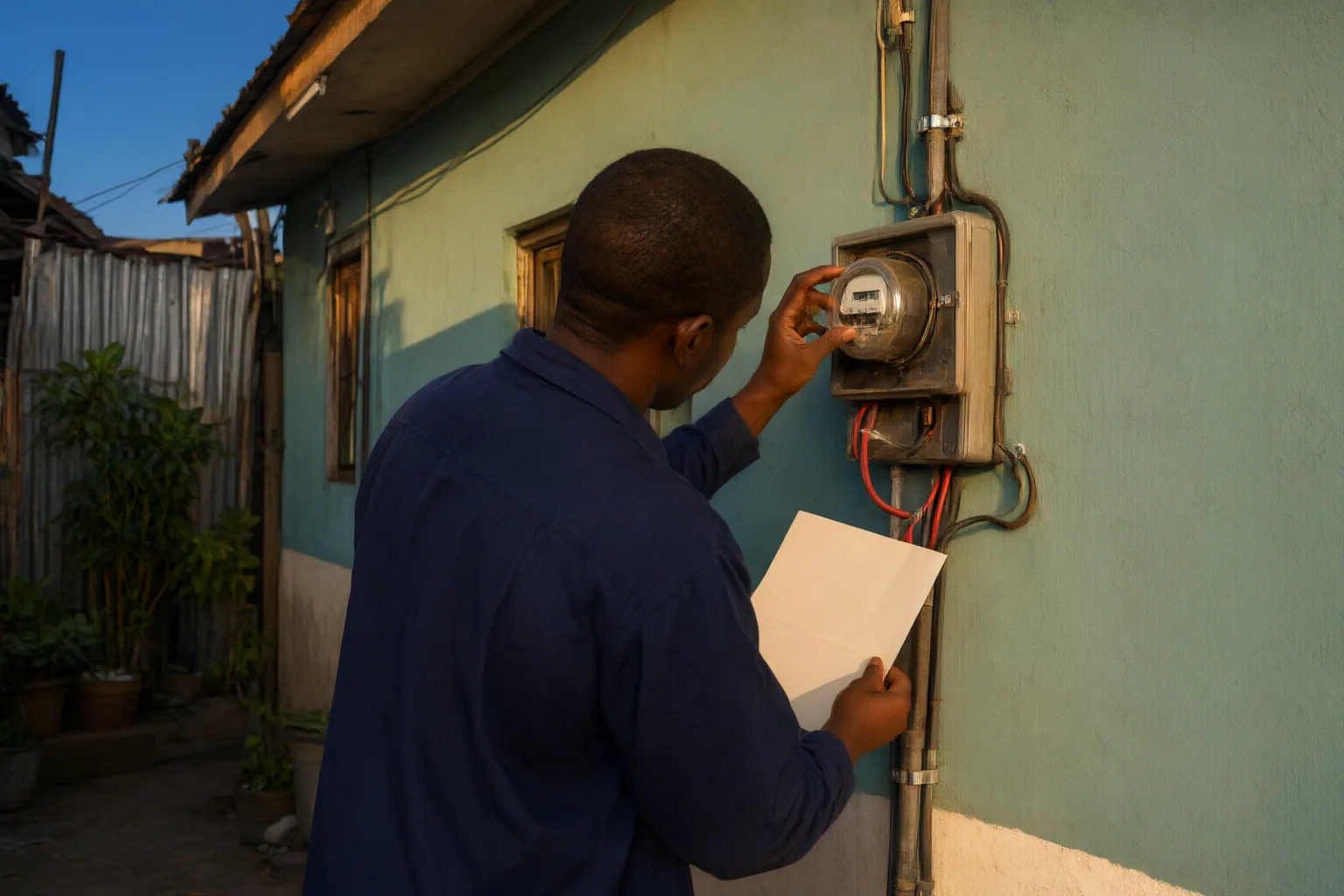
For an unmetered consumer, the central concern is the gap between an estimated charge and electricity actually experienced at the premises. The Conversation links inadequate metering with contested bills and weaker confidence in payment. That concern exists within a supply environment where many customers report receiving electricity for only part of the day.
NOIPolls found that 68% of surveyed electricity customers received less than nine hours of power per day, including 5% who said they received no supply. These findings do not prove that any particular bill is incorrect, but they help explain why consumers may question recurring charges when their supply is limited.
Location also shapes the wider context. A GeoJournal study found minimal progress and a disproportionate geographic distribution of electricity access, with greater electricity visibility in southern regions, state capitals and industrial centres. Consumers in different places may therefore face substantially different supply conditions. Individual billing and supply records remain more relevant to an individual case than national or survey averages.
System losses add another layer to the sector context. The Conversation reported aggregate technical, commercial and collection losses of 36.36% in the first quarter of 2024 and 39.10% in the third quarter. Those system-wide figures should not be used to infer a household’s consumption or decide whether its bill is valid.
Conclusion
Nigeria electricity estimated bills are closely connected to the country’s metering gap: without a meter, a household’s consumption cannot be established through a direct reading. However, national statistics cannot resolve an individual billing dispute, and consumers’ supply conditions may vary considerably by location.
Check whether your premises has a working meter, review each bill alongside your own supply records, and distinguish an estimated charge from payment for measured units. Before challenging a charge or taking an escalation step, consult current official guidance from your electricity distributor or regulator. The supplied evidence does not establish today’s billing caps, complaint deadlines or escalation channels.
Disclosures and limitations
- This article was prepared with AI assistance using only the supplied research package. Material claims are attributed through the listed source IDs, and figures from different dates and methodologies are kept distinct.
- No products are recommended in this article, and no affiliate claims or commercial endorsements are included.
Related reading
- Electricity Consumers in Nigeria
- Nigeria Energy Information: What Available Sources Show About Electricity Capacity and Access
Sources
- Nigeria raised electricity prices to improve supply. Why it hasn’t worked — The Conversation
- Types of Utility Bills in Nigeria – Nigerian Finder — Nigerian Finder
- Keeping the lights On or Off: tracking the progress of access to electricity for sustainable development in Nigeria – GeoJournal — SpringerLink
- Only 57 Percent of Nigerian Electricity Customers are Metered — NOIPolls