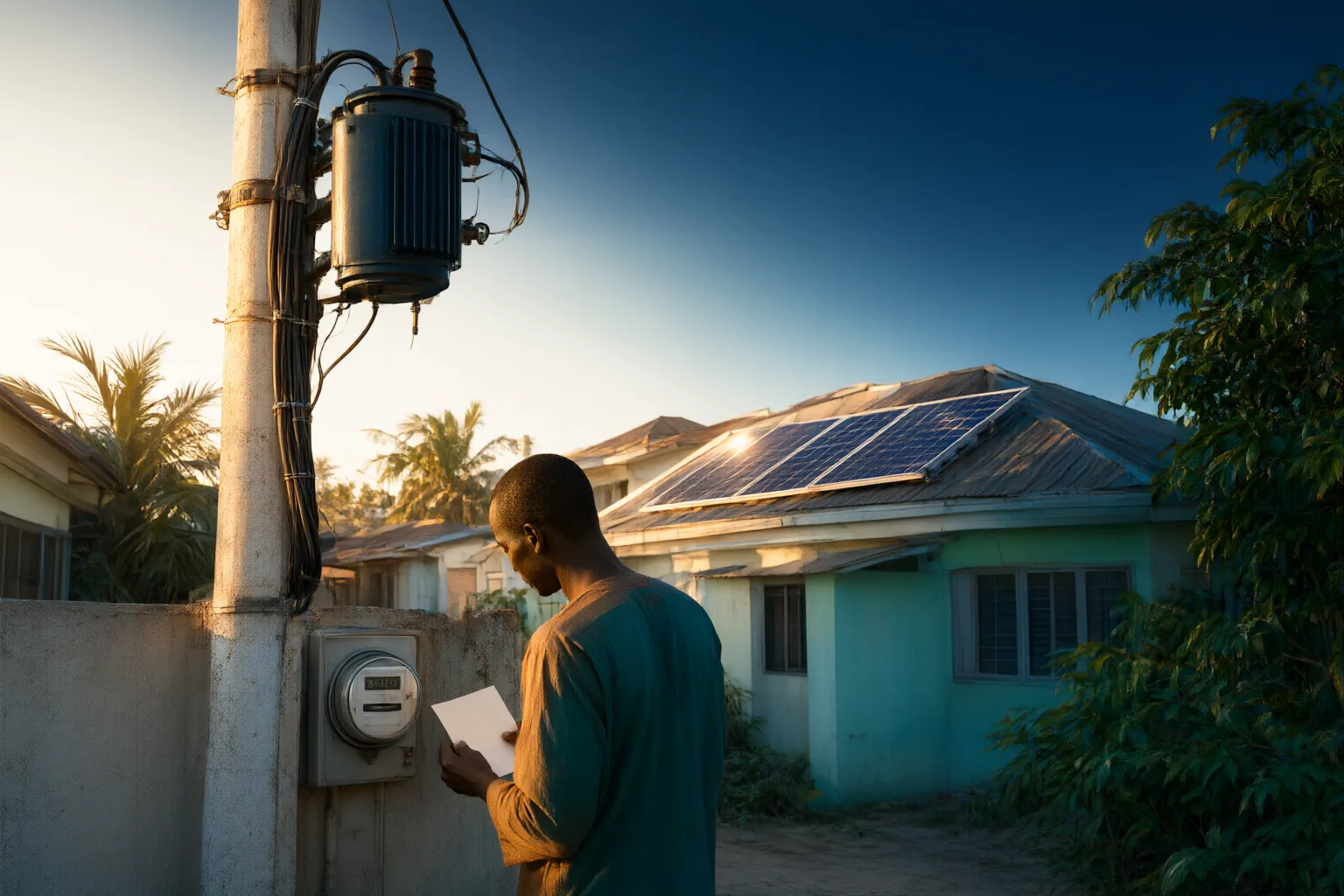
Before accepting a payment plan for accumulated electricity bills, confirm which charges you accept, which remain disputed, exactly what the arrangement covers, and every repayment obligation in writing. Nigerian consumer guidance supports payment arrangements for outstanding debt, but the available sources do not establish the detailed terms of any particular DisCo offer.
Establish the amount that is agreed and the amount still disputed
Start by separating the accumulated balance into two categories: charges you accept and charges you contest. Ask the DisCo for an itemised account showing how the balance was calculated, then record the specific billing periods and amounts that remain disputed. Do not treat the total displayed on a bill as an agreed debt merely because a payment plan has been proposed.
The FCCPC states that electricity consumers may contest a bill, withhold payment of the disputed bill, and pay the last undisputed bill while the dispute is being resolved. It also states that contested estimated billing may be moved onto a meter only after the customer and DisCo agree on the amount owed and a repayment plan. These points make the agreed balance a central issue, particularly when accumulated debt includes estimated charges.
Before signing or otherwise accepting an arrangement, compare its opening balance with your bills, receipts and any prior resolution of the dispute. Request written correction or clarification if the proposal combines accepted debt with unresolved charges. The FCCPC also states that consumers have a right to a payment arrangement with their DisCo for settling outstanding debt and to a refund of overpayment. A repayment agreement should therefore identify the amount actually being settled without erasing the distinction between agreed and contested charges.
Verify the written repayment terms and what the plan covers
Obtain the complete proposal in writing and check that it identifies the confirmed opening balance and whether the arrangement applies to arrears, current electricity charges or both. If eligibility conditions apply, ask the DisCo to state them and confirm that your account qualifies. Bill-support arrangements can have different structures: the SCE material, which concerns California rather than Nigeria, illustrates that an arrears-management option may be limited to eligible customers. It does not establish eligibility rules or programme availability for any Nigerian DisCo.
The available sources do not specify the instalment amount, payment frequency, duration, fees, interest, consequences of a missed payment, treatment of new bills or complaint-escalation process for a particular Nigerian plan. These are matters to verify in the proposed agreement, not terms to assume. Ask for clear answers to practical questions: When is each payment due? Is the instalment additional to the current bill? How will payments be allocated between arrears and ongoing charges? What happens after a late or missed payment? Can the arrangement be revised if a billing dispute changes the balance?
Check that every verbal explanation is reflected in the written terms. Keep the proposal, accepted agreement, bills and payment receipts together. If any term is unclear, seek written clarification before agreeing, especially where the document appears to treat a disputed amount as admitted debt.
Distinguish an arrears plan from budget billing and check disconnection safeguards
Confirm the type of arrangement being offered. A plan for repaying past-due debt is not necessarily the same as a budget-billing plan for ongoing service costs. The SCE source provides a non-Nigerian illustration: it describes an Arrearage Management Plan for eligible customers who are behind on bills, while separately describing a 12-month Budget Billing Plan that divides eligible customers’ annual electricity-service costs into equal monthly payments. This distinction is useful for framing questions, but it is not evidence that either programme or its terms applies in Nigeria.
Ask the DisCo whether the quoted monthly amount reduces existing arrears, pays current consumption, or combines both. If it combines them, request a breakdown. A level monthly figure can be misleading if the customer does not know whether new electricity charges will continue to accrue separately.
Also verify the dates and notices relevant to possible disconnection. The FCCPC states that consumers must receive a payment date at least ten working days after bill delivery and written notice before disconnection by the DisCo. It further states that a consumer may contest a bill and pay the last undisputed bill while the dispute is being resolved. Record when the bill and any notice were received, preserve copies, and ask the DisCo to explain in writing how an unresolved dispute and the proposed plan affect the account. Do not infer plan-specific protection from disconnection unless it appears in applicable written terms.
Conclusion
Before accepting a payment plan, confirm the agreed debt, list disputed charges separately, and obtain the complete arrangement in writing. Verify whether it covers arrears, ongoing bills or both; identify every payment date and obligation; and ask what happens if a payment is missed. Check the bill-delivery and written-notice timeline if disconnection is a concern.
Because the available sources do not provide the full contractual terms of a specific Nigerian DisCo plan, do not assume details about instalments, duration, fees, interest or default consequences. Ask the DisCo for written clarification of every unresolved point, ensure the document preserves any active billing dispute, and compare the final balance with your records before agreeing.
Disclosures and limitations
- This article was prepared with AI assistance from the supplied FCCPC and SCE source material. The SCE example is non-Nigerian and is used only to explain the distinction between types of bill-management arrangements.
- No products are recommended and no affiliate relationship is represented. Readers should verify the complete terms of any proposed payment arrangement directly in the DisCo’s written documents.
Related reading
- Data & Reports for Nigeria’s Electricity Sector
- How to Keep a Clear Record of Electricity Complaint References and Responses in Nigeria
- Wrong Customer Name or Address on a Nigerian Electricity Account: What to Check
Sources
- Help Managing Your Bills — SCE
- electricity consumer rights & responsibilities – Federal Competition & Consumer Protection Commission — Federal Competition & Consumer Protection Commission