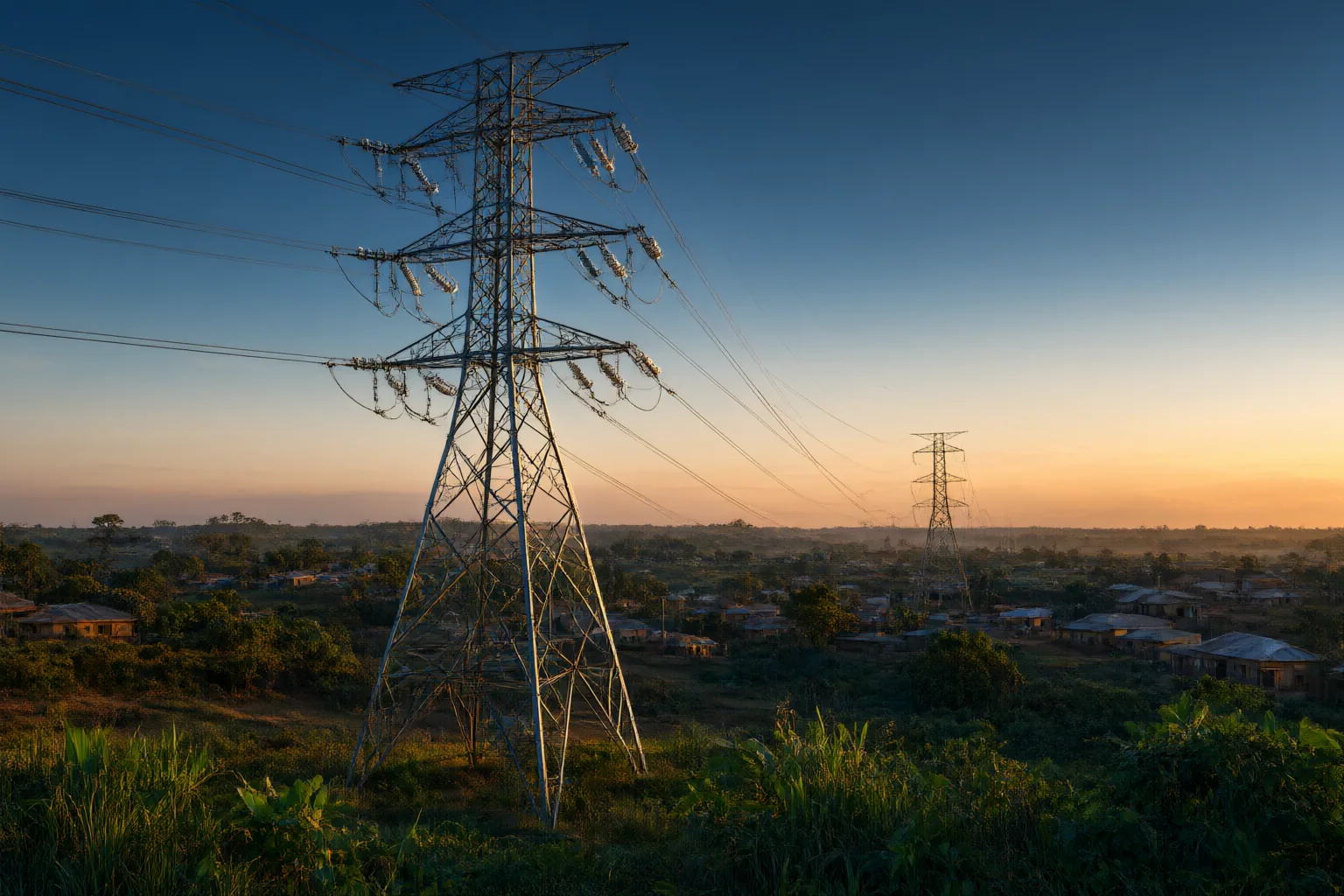
Nigeria power supply data becomes easier to interpret when every figure is tied to its publisher, unit and reporting period. Installed capacity in megawatts, electricity generation in terawatt-hours and per-capita use in kilowatt-hours measure different things and should not be combined as though they describe one period or outcome.
Where to Find Nigeria Power Supply Data
The Energy Commission of Nigeria is one starting point for official-sector information. The commission says it was established under Act No. 62 of 1979, as amended by Acts No. 32 of 1988 and No. 19 of 1989, and began operating in 1989. It describes itself as the government’s apex body for overall energy-sector planning and policy implementation.
Its website lists several relevant entry points: Energy Statistics, the Energy Data Bank, energy policy and planning materials, and the Nigeria 2050 Energy Calculator. These resources may serve different purposes, so readers should inspect the definitions and documentation attached to a particular dataset rather than treating every section as interchangeable.
The research material does not provide publication or revision dates for these resources. Their presence on the commission’s website therefore identifies places to begin a search, but does not establish that every displayed figure is current. Record the dataset name, publisher, stated period and any revision information before using a value.
Capacity, Generation and Per-Capita Use Are Different Measures
Installed capacity indicates the rated power of generating facilities and is commonly expressed in megawatts (MW). It is not the amount of electricity actually produced. A Wikipedia entry reports that 23 power plants connected to Nigeria’s national grid have a combined installed capacity of 11,165.4 MW and says they are managed by generation companies, independent power providers and the Niger Delta Holding Company. Because Wikipedia is editable, that figure should be checked against the primary references cited by the entry before publication or reuse.
Generation measures electricity produced over time, commonly in megawatt-hours or terawatt-hours (TWh). Low-Carbon Power reports 22.25 TWh from fossil fuels and gas and 12.06 TWh of low-carbon electricity for a rolling period from May 2025 through April 2026. Those values describe reported output across a period, not installed capacity at a point in time.
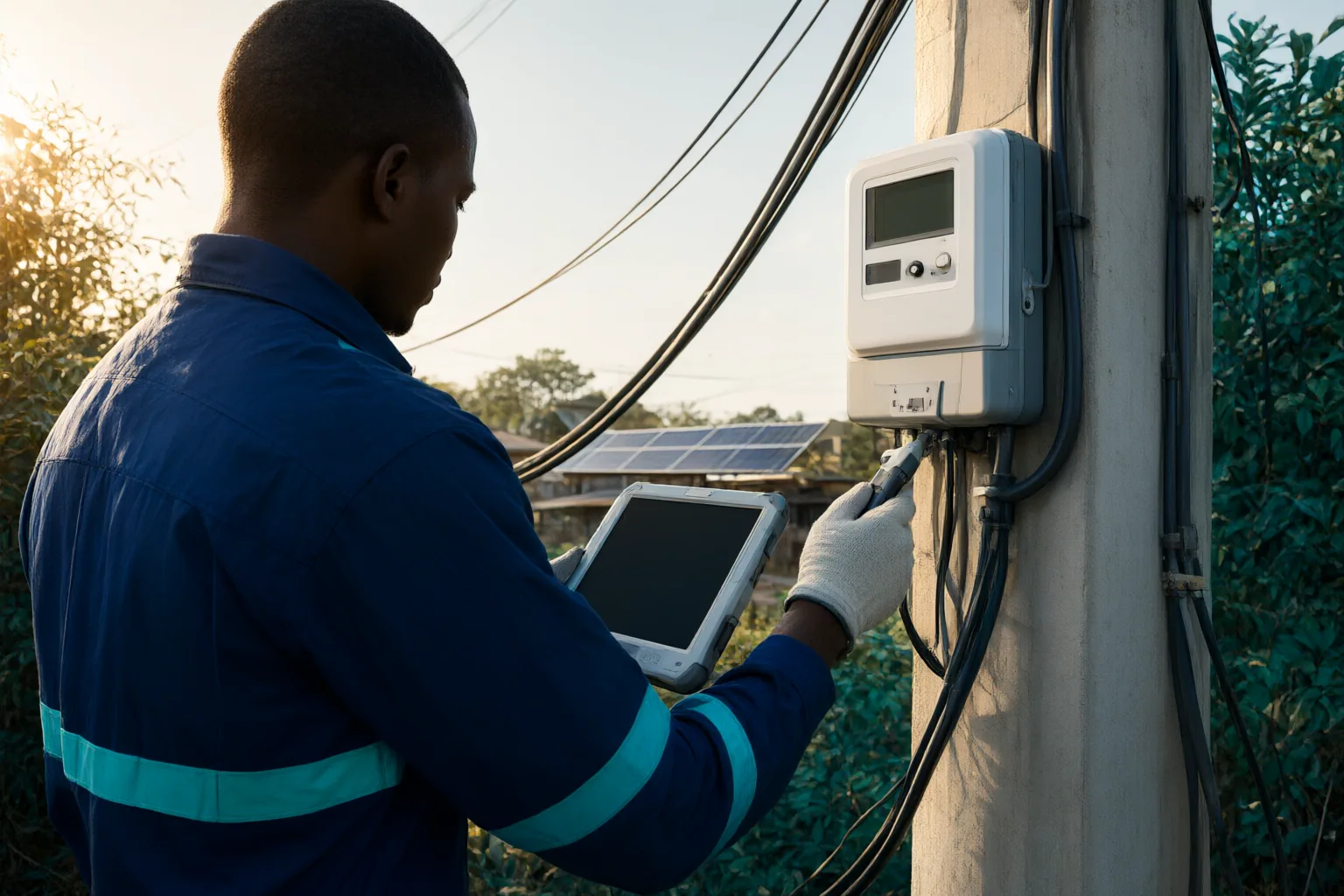
A per-capita figure divides electricity use by population and is expressed here in kilowatt-hours per person. Low-Carbon Power reports 145 kWh per person for 2026 and compares it with a 2023 historical high of 187 kWh, a difference of 42 kWh. This indicator is useful for comparing average electricity use, but it does not show the capacity of the grid or the output of an individual plant.
MW, TWh and kWh per person therefore cannot be directly substituted for one another. They can inform the same discussion only when their definitions, time periods and data sources remain explicit.
How to Read Generation-Mix and Time-Period Claims
Generation-mix statements require particular care because sources may measure either capacity or actual output. The Wikipedia entry describes Nigeria’s electricity as primarily thermal and hydro, and says gas represents about 86% of generating capacity, with hydro accounting for the remainder. That is a capacity claim attributed to an editable secondary source; it should not automatically be read as the share of electricity generated during a particular year.
Low-Carbon Power uses a different framing. For May 2025 through April 2026, it reports 22.25 TWh from fossil fuels and gas and 12.06 TWh of low-carbon electricity, with all of the reported low-carbon component coming from hydropower. These are generation quantities rather than capacity shares. The research package does not identify the site’s underlying dataset, calculation method or revision policy, so the numbers should be presented as Low-Carbon Power’s reported values rather than as unqualified official statistics.
The date label also matters. The cited figures span a rolling 12 months, not the January-to-December 2025 or 2026 calendar year. Comparing them with a calendar-year dataset without adjustment could create an apparent difference caused by timing rather than a real change in supply.
These sources can help explain the sector, but they should not be merged into a single supply-and-demand calculation. First determine whether a claim concerns installed capacity, generated electricity, generation mix or per-capita use; then confirm that the compared figures cover compatible periods and definitions.
Conclusion
A reliable reading of Nigeria power supply data begins with four questions: Who published the figure? What metric does it represent? Which unit is used? What period does it cover? Official resource pages can point readers toward statistics and planning tools, while Wikipedia and third-party summaries can provide leads that require verification.
Do not combine capacity in MW, generation in TWh and per-capita use in kWh as if they were equivalent measures. Check underlying citations or primary datasets wherever available, especially for editable and third-party sources whose publication dates or methods are not supplied here. Before citing any figure, record its unit, reporting period and publisher, then verify it against the underlying primary source where available.
Disclosures and limitations
- This article was prepared with AI assistance from the supplied research package. Material claims are attributed to the Energy Commission of Nigeria website, a Wikipedia entry and Low-Carbon Power; editable and third-party figures should be checked against primary data before reuse.
Related reading
- Electricity Consumers in Nigeria
- Nigeria Electricity Estimated Bills: What Consumers Need to Know
- Nigeria Energy Information: What Available Sources Show About Electricity Capacity and Access
Sources
- Energy Commission of Nigeria — energy.gov.ng
- Electricity sector in Nigeria – Wikipedia — en.wikipedia.org
- Nigeria Electricity Generation Mix 2026 | Low-Carbon Power Data — lowcarbonpower.org