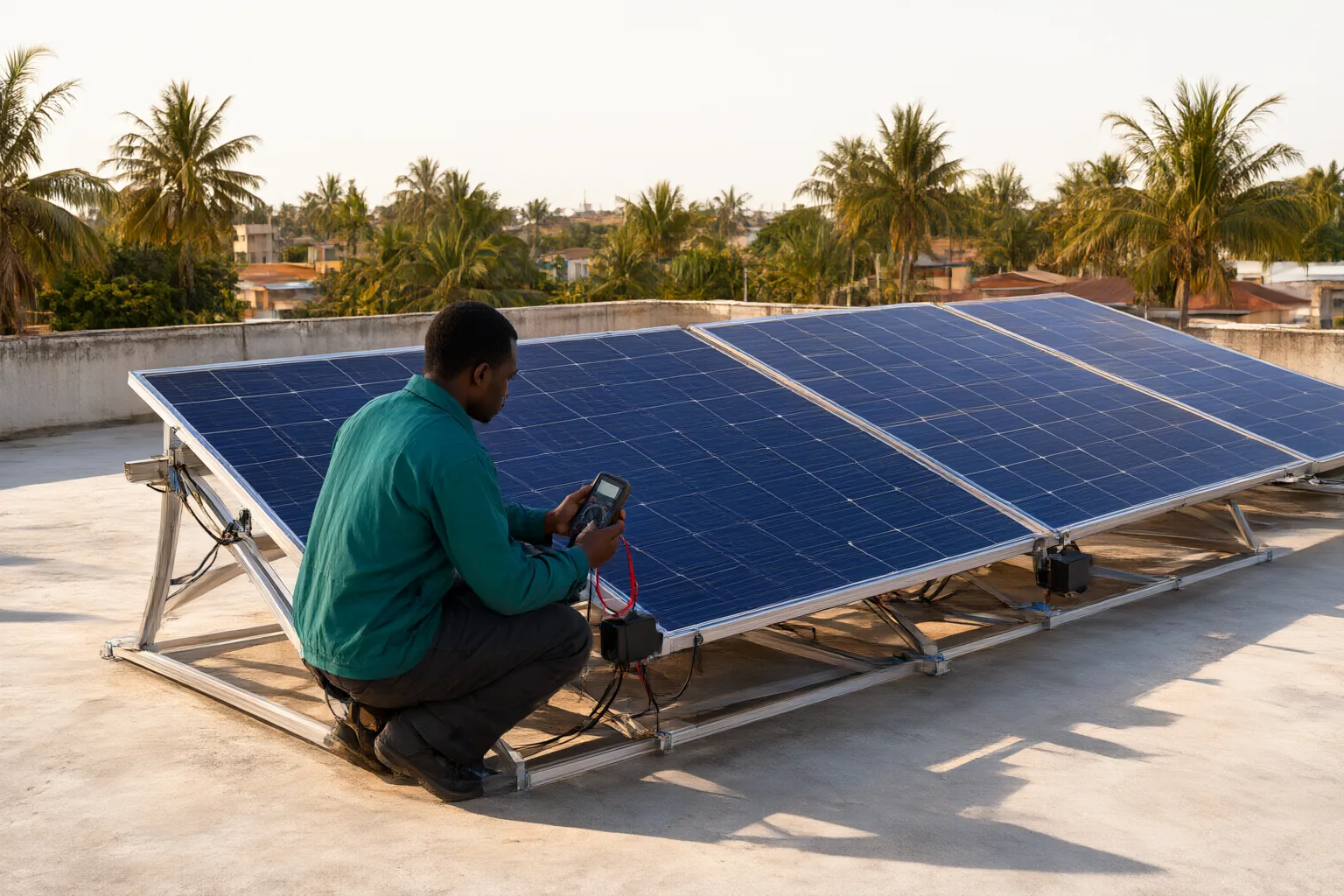
How to Verify Solar Panel Wattage Ratings Before You Buy in Nigeria
When solar panel labels, datasheets and seller claims differ, match each figure to the exact model and component. Then assess the verified wattage alongside…
Read moreNigeria Power Briefing
Follow power-sector developments through clear reporting, practical explainers and source-led resources.
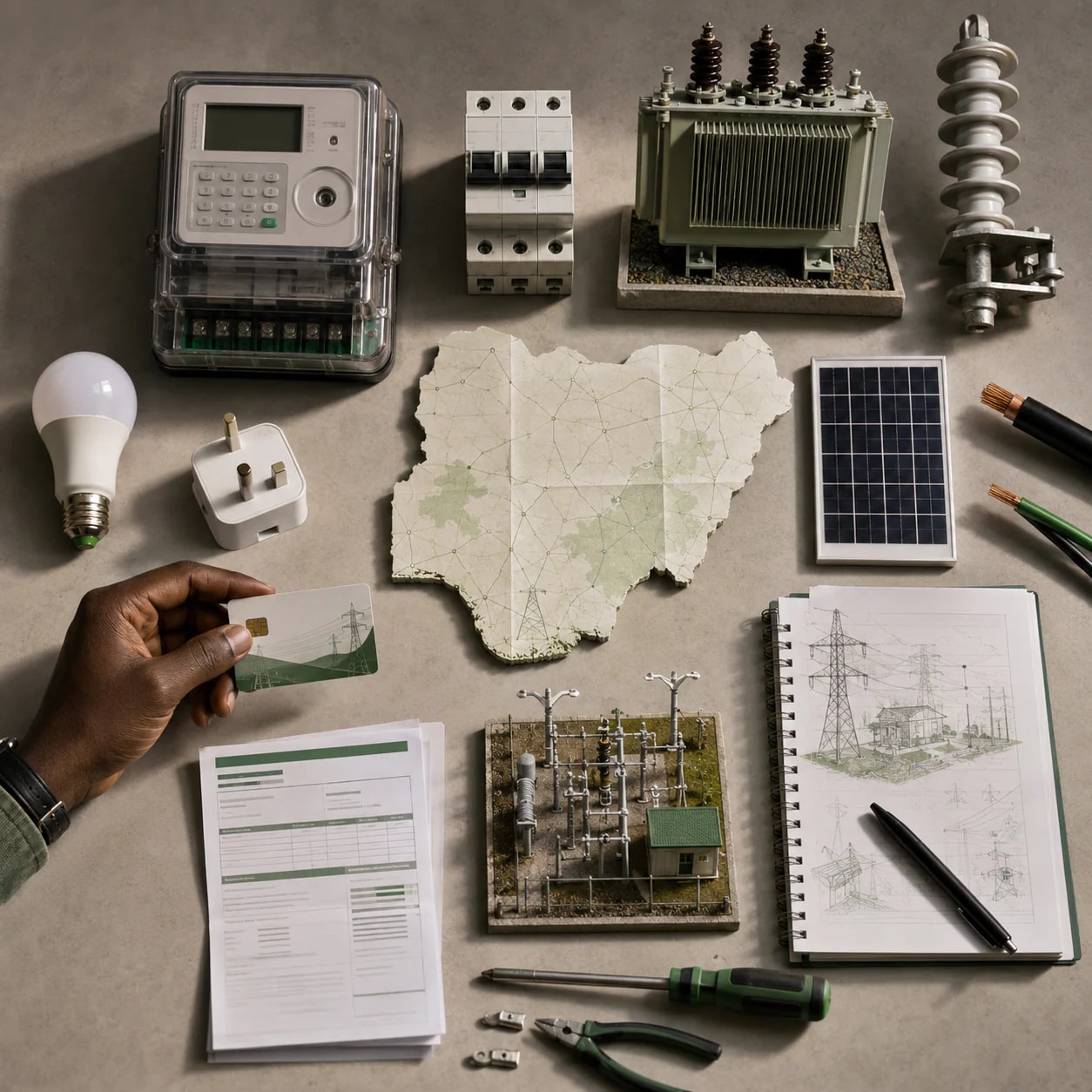
When solar panel labels, datasheets and seller claims differ, match each figure to the exact model and component. Then assess the verified wattage alongside…
Read more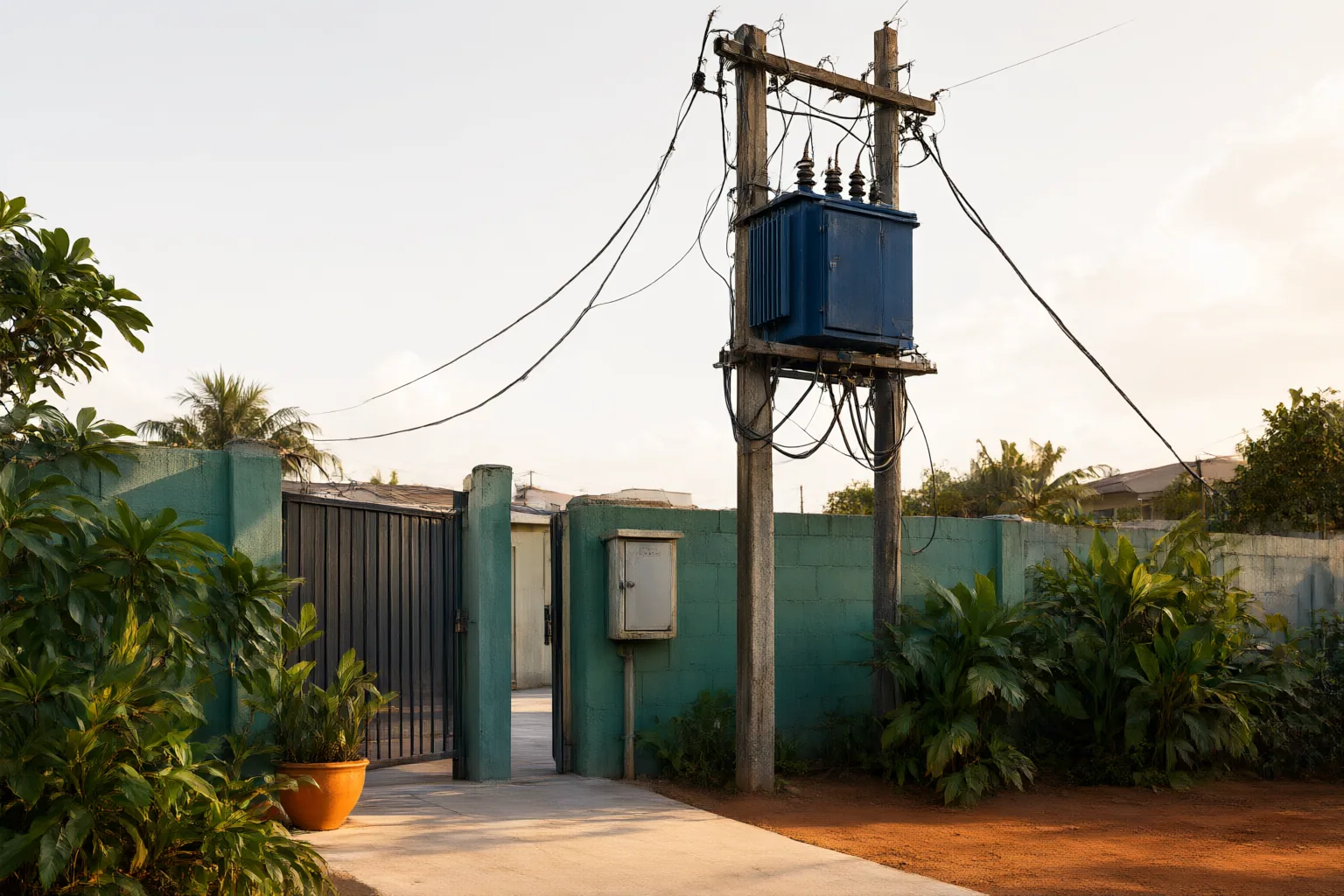
A practical checklist for identifying electricity distribution equipment on private land, clarifying ownership and maintenance responsibility, and requesting relevant land-use records before taking action.
Read more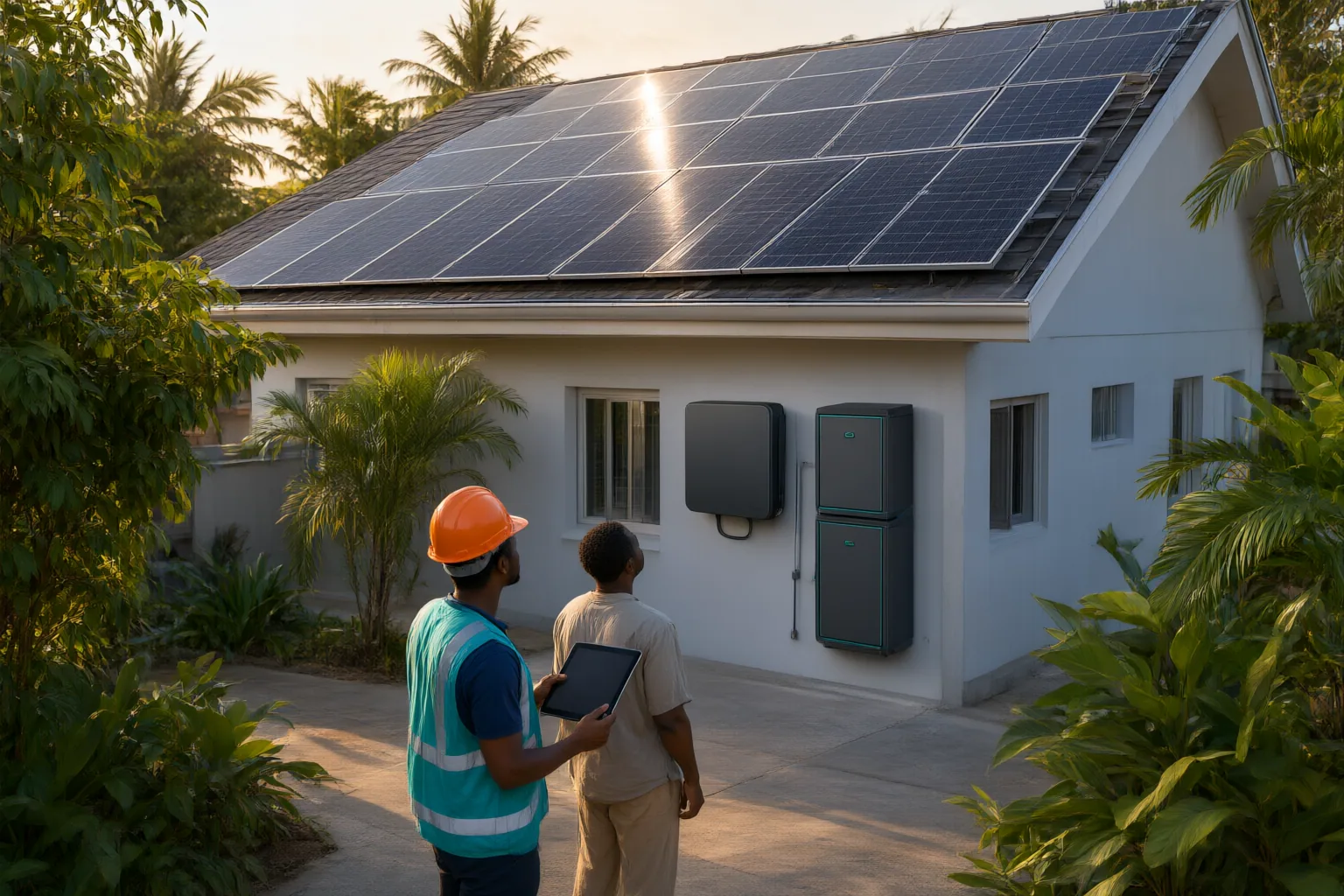
Compare solar quotations consistently by documenting household needs, placing each proposal in the same table, reviewing component specifications and warranties, and requesting written explanations…
Read more
Renewable energy project costs reported in different currencies and price years are not directly comparable. Preserve each original amount, currency and stated price year,…
Read more
Reported Dangote petrol and diesel price reductions could lower generator running costs if they reach local pumps. Compare current local fuel prices and actual…
Read more
Entered the wrong meter number when buying a prepaid electricity token? Preserve your receipt and transaction details, then contact the payment provider and electricity…
Read more
Before the installer leaves, record the new prepaid meter’s identifying details, confirm its configuration and ask for a demonstration of its display and any…
Read more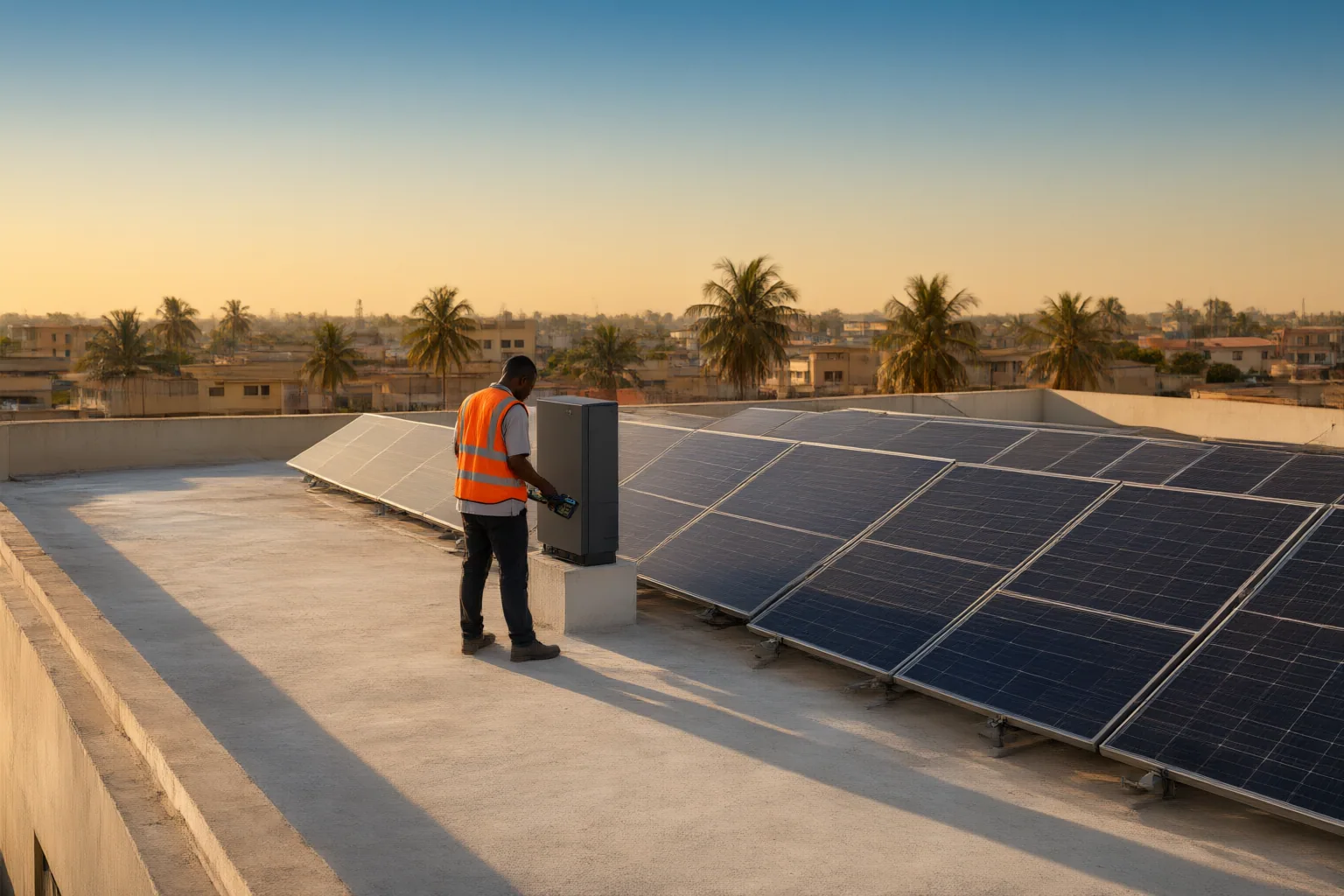
A transparent Nigerian solar budget should identify the USD/NGN rate provider, market context and timestamp, preserve the original dollar quotation and label the converted…
Read more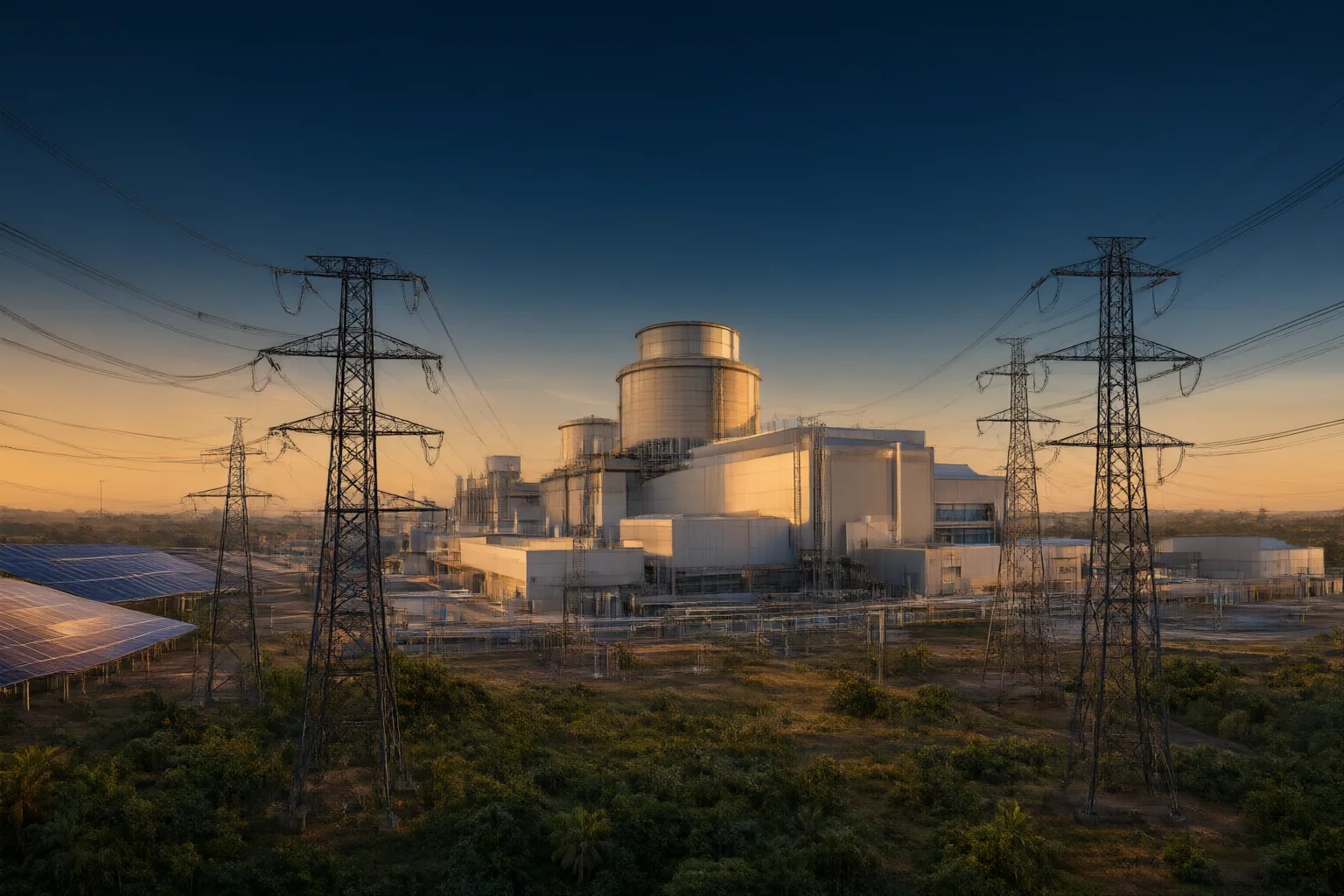
Calculate capacity factors by comparing actual generation with the theoretical output from installed or rated capacity over a defined period, then interpret the result…
Read more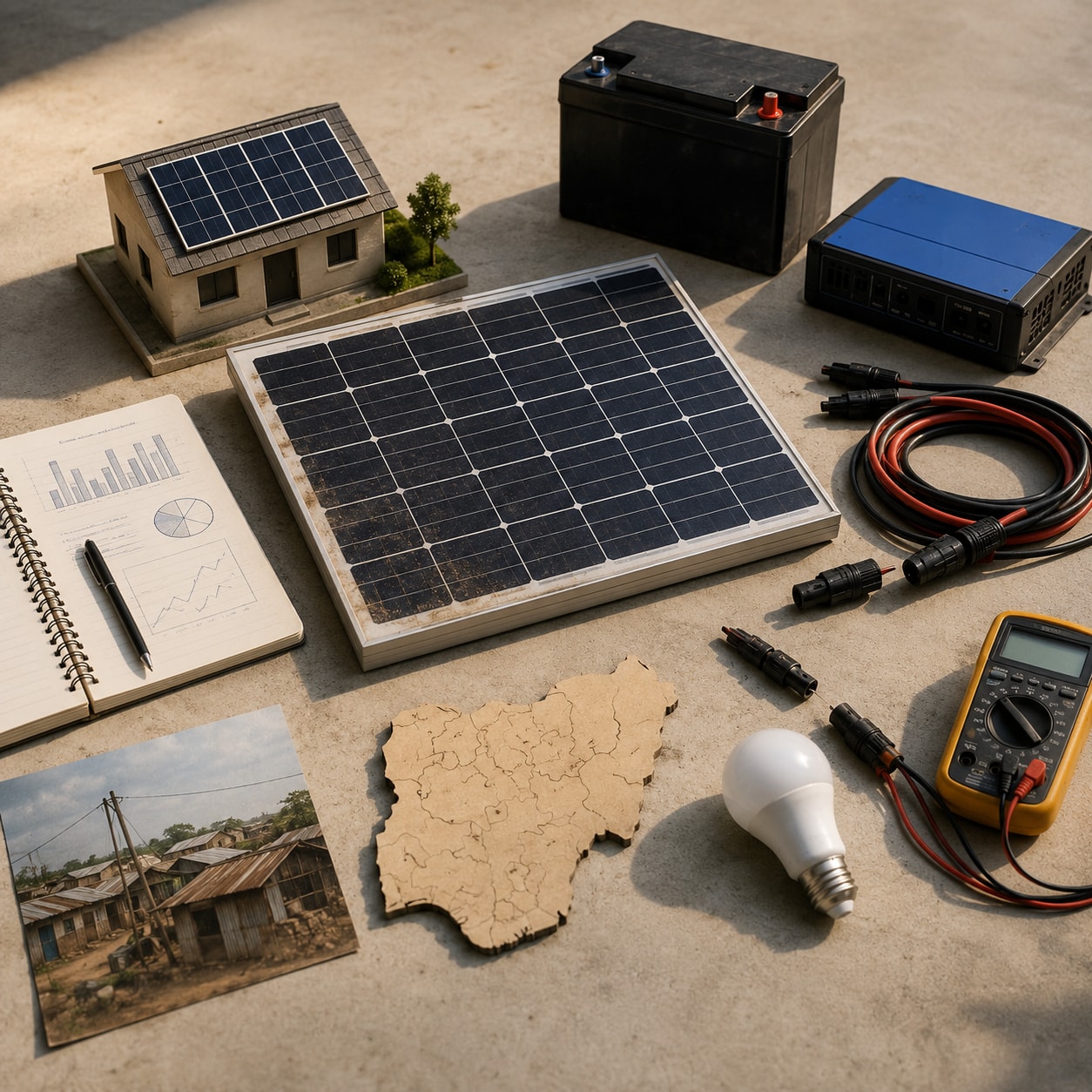 01
News and analysis on electricity policy, regulation, generation, transmission, distribution, tariffs and major infrastructure developments.
Explore02Coverage of solar, hydro, wind and other energy options shaping electricity access and system resilience.
Explore0304Downloadable reports, statistics, research summaries and clearly sourced reference material for sector research.
Explore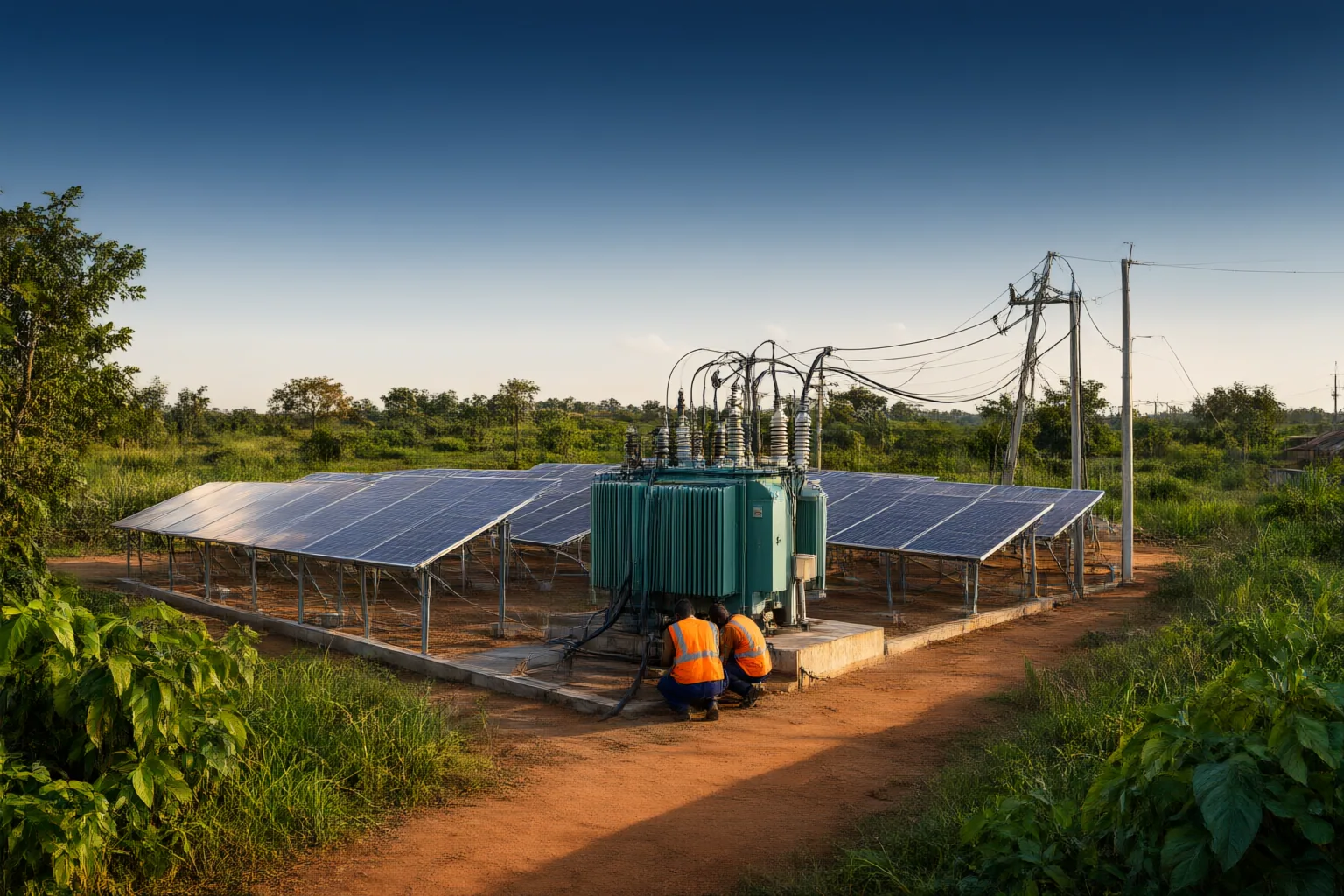 05
Evidence-led guidance for recognizing deceptive links, manipulated claims and risky online services without promoting them.
ExploreReaders who need a clearer view of Nigeria’s power landscape can use this hub to follow policy shifts, infrastructure developments, consumer issues, renewable-energy progress, and practical reference material in one place. The focus is on readable reporting, grounded explainers, and source-led resources that help professionals and the public separate signal from noise.
Nigeria’s electricity story is shaped by generation constraints, grid performance, distribution challenges, tariff debates, investment needs, and the everyday realities of supply. This homepage is designed to make that complexity easier to navigate. Instead of treating the sector as a single headline, it organizes coverage around the questions readers actually ask: what changed, who is affected, what evidence supports the claim, and where to look next for context.
For policymakers, researchers, journalists, and investors, that means a faster route to developments that matter. For households and businesses, it means practical guidance that connects sector decisions to billing, metering, outages, and service expectations.
Start with Power Sector for reporting and analysis on regulation, market structure, generation, transmission, distribution, tariffs, and major infrastructure developments. This section is suited to readers tracking how decisions in government, regulation, and utility operations shape the wider electricity system.
The Renewables section follows solar, hydro, wind, and other energy pathways that influence electricity access and system resilience. It is a useful entry point for readers interested in decentralized power, long-term energy transition, and the role of cleaner technologies in serving communities and businesses.
In Consumers, the emphasis shifts to everyday use. Readers can find practical explanations of outages, metering, billing concerns, electrical installations, and the institutions that represent electricity users. The goal is plain-language guidance that helps people understand what is normal, what deserves follow-up, and what documentation is worth checking.
Data & Reports brings together research resources, statistics, and reference materials for deeper work. This area is intended for readers who need something more durable than daily headlines: summarized findings, report context, and materials that support analysis, briefing notes, or newsroom backgrounding.
The Digital Safety section addresses a different but increasingly important problem: deceptive links, manipulated claims, and risky online services that can mislead readers seeking information. It offers evidence-led guidance on how to assess suspicious pages and warning signs without amplifying them.
A useful electricity publication does more than publish updates. It should also help readers judge credibility, compare developments over time, and understand the difference between raw claims and verified information. That is why this hub combines current coverage with explainers and reference-led pages.
Where available, readers should expect clear sourcing, update awareness, and context around sensitive or fast-moving claims. For data-heavy topics, the aim is not just to repeat figures but to show why they matter and how they fit into the broader picture of Nigeria’s electricity sector.
This site is built for a mixed audience: consumers trying to understand service issues, energy professionals following operations and policy, researchers looking for structured material, journalists needing background, and decision-makers watching sector trends. Whether the need is a quick orientation or a deeper research starting point, the homepage is meant to shorten the distance between a question and a reliable next step.
Use it as a front door into the sector: follow the latest developments, move into the topic that fits your needs, and return to the reference sections when a headline needs evidence, history, or practical context.
Nigeria Electricity Hub
Choose a topic to continue.
Electricity consumers, energy professionals, policymakers, researchers, investors, journalists and readers tracking Nigeria’s power sector.