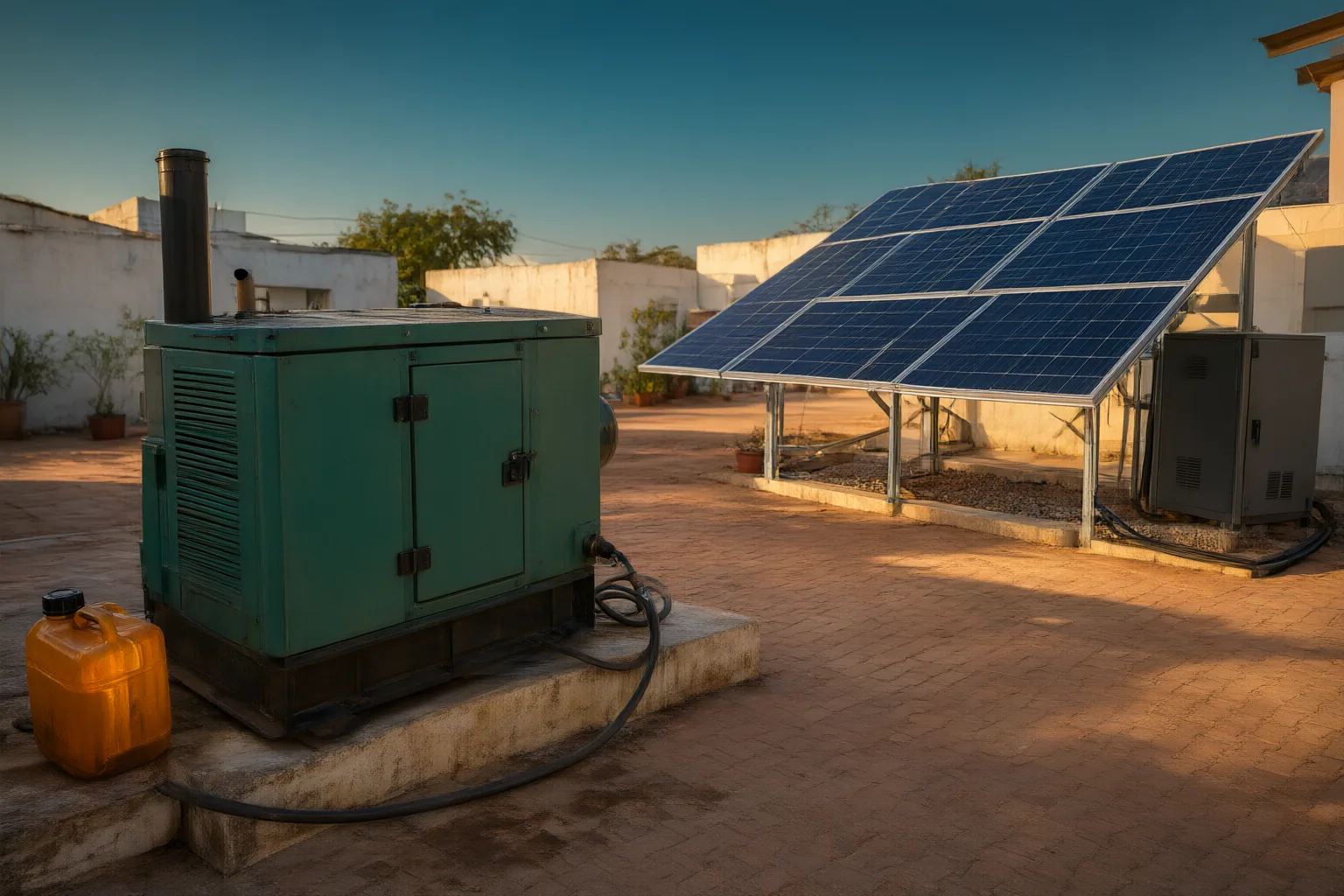
Reported Dangote petrol and diesel price reductions could lower generator running costs if the reductions reach local pumps. However, the reports do not provide enough comparable data to determine whether a generator or solar system is cheaper for a particular Nigerian household or business.
What the Dangote petroleum price reductions changed
The reported reductions were separate pricing events involving different fuels, dates and points in the supply chain—not one nationwide reduction in the retail price paid by generator users.
NOG Energy Directory reported that Dangote Petroleum Refinery reduced its diesel price from ₦1,200 to ₦1,000 per litre on 18 April 2024. Petrol reports described other changes. EveryDayLagos said the petrol ex-depot price fell from ₦840 to ₦820 per litre on 9 July 2025, following an earlier reduction from ₦880 to ₦840. The New Outlook separately reported a petrol ex-depot price of ₦835 per litre on 16 April 2025, down from ₦865, while citing an imported-petrol landing cost of ₦853 per litre.
A later INFORMATIONGONG report dated 27 March 2026 said Dangote reduced its petrol gantry price from ₦1,275 to ₦1,200 per litre and set a coastal price of ₦1,153. Taken together, these figures show multiple adjustments rather than a single price that can be applied to every generator cost calculation. They also show why petrol and diesel reductions must be identified and assessed separately.
Why a refinery price cut may not equal your generator savings
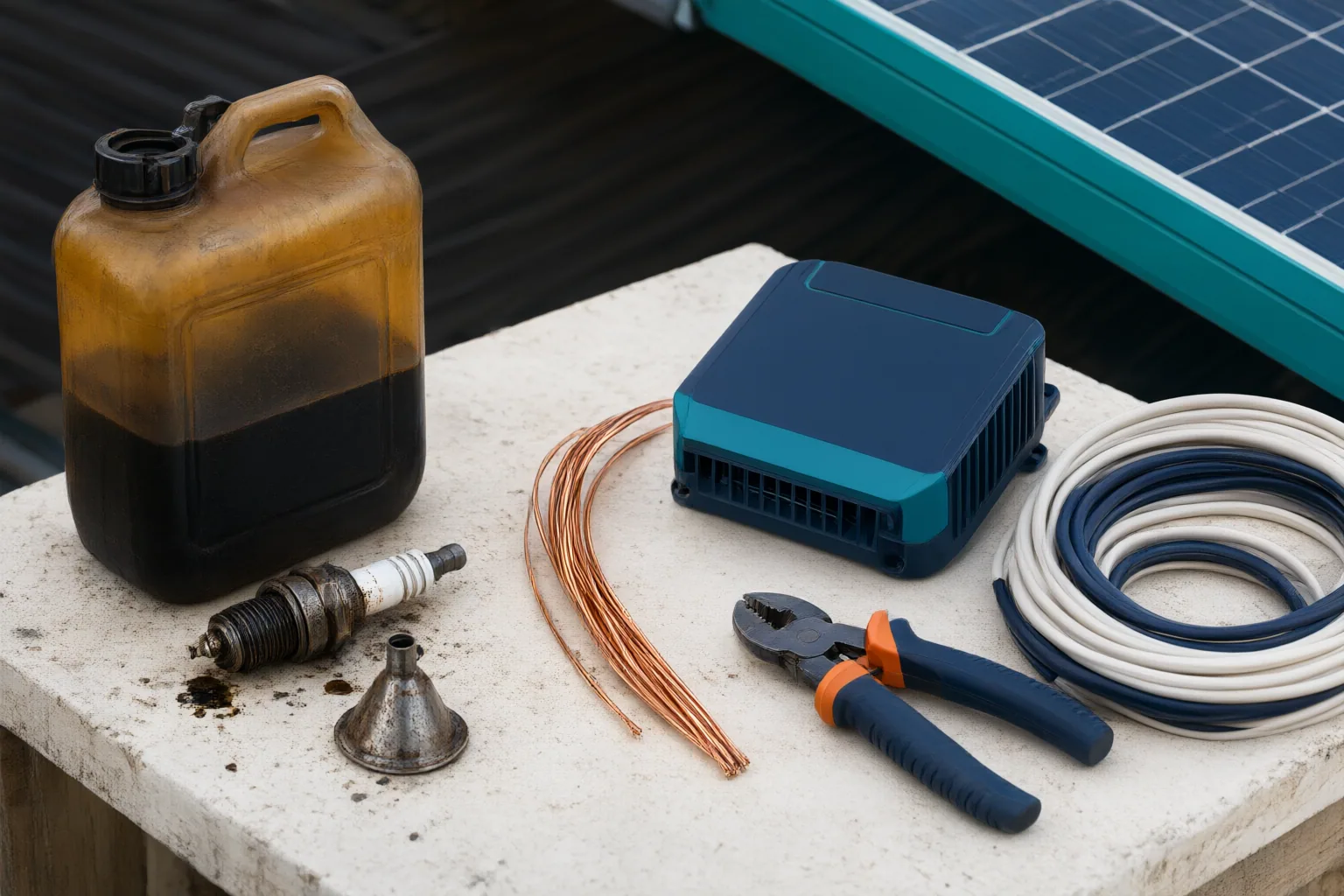
A refinery, ex-depot, gantry or coastal price is not automatically the retail pump price available to a household or business. INFORMATIONGONG said the lower gantry price could create room for pump-price reductions, but the amount passed through depends on distribution costs, logistics and retail margins. A refinery-level reduction therefore indicates the possibility of lower generator fuel costs, not a guaranteed saving of the same amount per litre.
The applicable fuel also matters. The April 2024 report concerned diesel, while the 2025 and 2026 reports concerned petrol. A petrol reduction does not establish the cost change for a diesel generator, and a diesel reduction does not establish what a petrol-generator owner will pay.
Location and timing cannot be resolved from the reported refinery-level figures alone. To evaluate the effect on a generator, the relevant input is the current local pump price for the fuel that generator actually uses. Until a reduction appears at that point of purchase, it should not be counted as a realized household or business saving.
How to compare generator and solar costs without a misleading headline figure
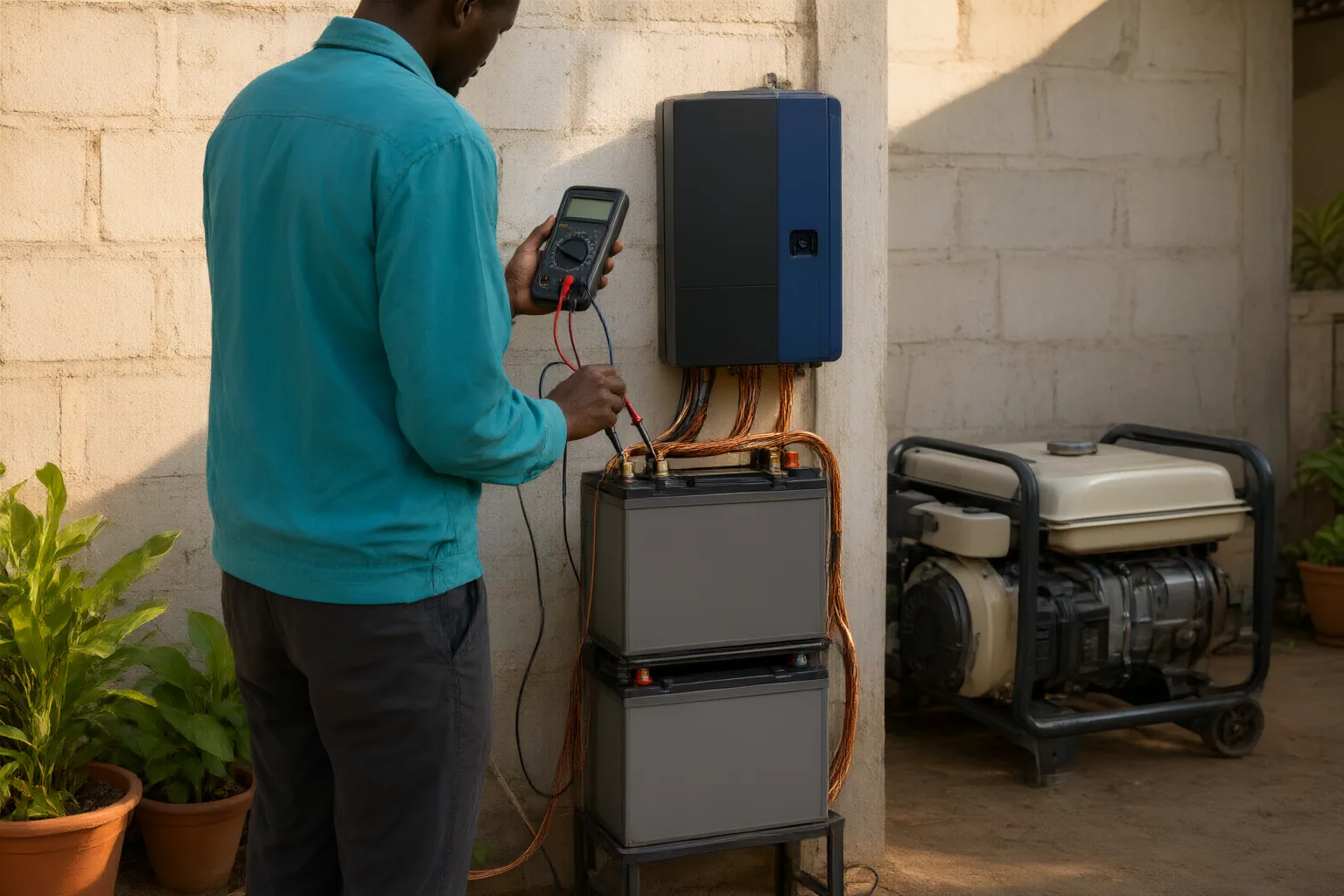
Start with user-specific information rather than a refinery headline. Record the generator’s actual petrol or diesel use over a representative operating period and apply the current local pump price. Repeating the calculation when the pump price changes will show how much the operating-cost estimate moves with fuel prices.
For the solar side, obtain an itemized quote and compare costs over the same period and for comparable electricity needs. The supplied reports do not provide solar-system purchase prices, battery replacement costs, maintenance costs or like-for-like electricity output. They also provide no generator fuel-consumption figures. Consequently, they cannot support a universal naira figure or a claim that either option is always cheaper.
A single petroleum-price snapshot is also a weak basis for a long-term conclusion. EveryDayLagos described a previous movement to ₦840 before the reduction to ₦820, while INFORMATIONGONG later reported ₦1,200 after a reduction from ₦1,275. The reports identify global oil prices, exchange rates, import-parity costs and distribution conditions as relevant influences on changing petroleum prices.
A useful comparison should therefore keep its inputs visible: fuel type, local pump price, measured fuel use, comparison period, required electricity output and each item in the solar quote. If one input is unavailable, present the result as incomplete rather than substituting a refinery or gantry figure for a retail price.
Conclusion
Lower petrol or diesel prices at local pumps could reduce generator running costs. The reported Dangote reductions may create room for that outcome, but refinery and supply-chain figures do not show how much of a reduction will reach every retailer or when it will arrive. Distribution costs, logistics and retail margins can affect the final pump price.
The reports also do not establish whether a generator or solar system costs less for a particular user because they lack comparable data on fuel consumption, solar purchase and battery costs, maintenance and electricity output. Before deciding, check the current local pump price for your generator’s actual fuel, record its real fuel use, and obtain an itemized solar quote covering the same electricity requirement and comparison period.
Disclosures and limitations
- This article was prepared with AI assistance from the supplied secondary-source research package. Reported prices are attributed to those sources and should be checked against current primary refinery, regulator and local retailer information before making a cost decision.
- This article contains no product endorsement or affiliate recommendation.
Related reading
- Renewable Energy in Nigeria
- Dollar to Naira Today: How to Use Exchange Rates in a Nigerian Solar Budget
- How to Track Revisions Across Editions of Nigerian Electricity-Sector Reports
Sources
- DANGOTE CRASHES DIESEL (AGO) PRICE IN NIGERIA — NOG Energy Directory
- Dangote Refinery Cuts Petrol Price to ₦1,200 Per Litre as Market Pressures Shift – INFORMATIONGONG — INFORMATIONGONG
- Dangote Refinery slashes petrol ex-depot price — EveryDayLagos
- Dangote Refinery Cuts Petrol Price to ₦835/Litre in Latest Price Slash – The New Outlook — The New Outlook – Your News Forum