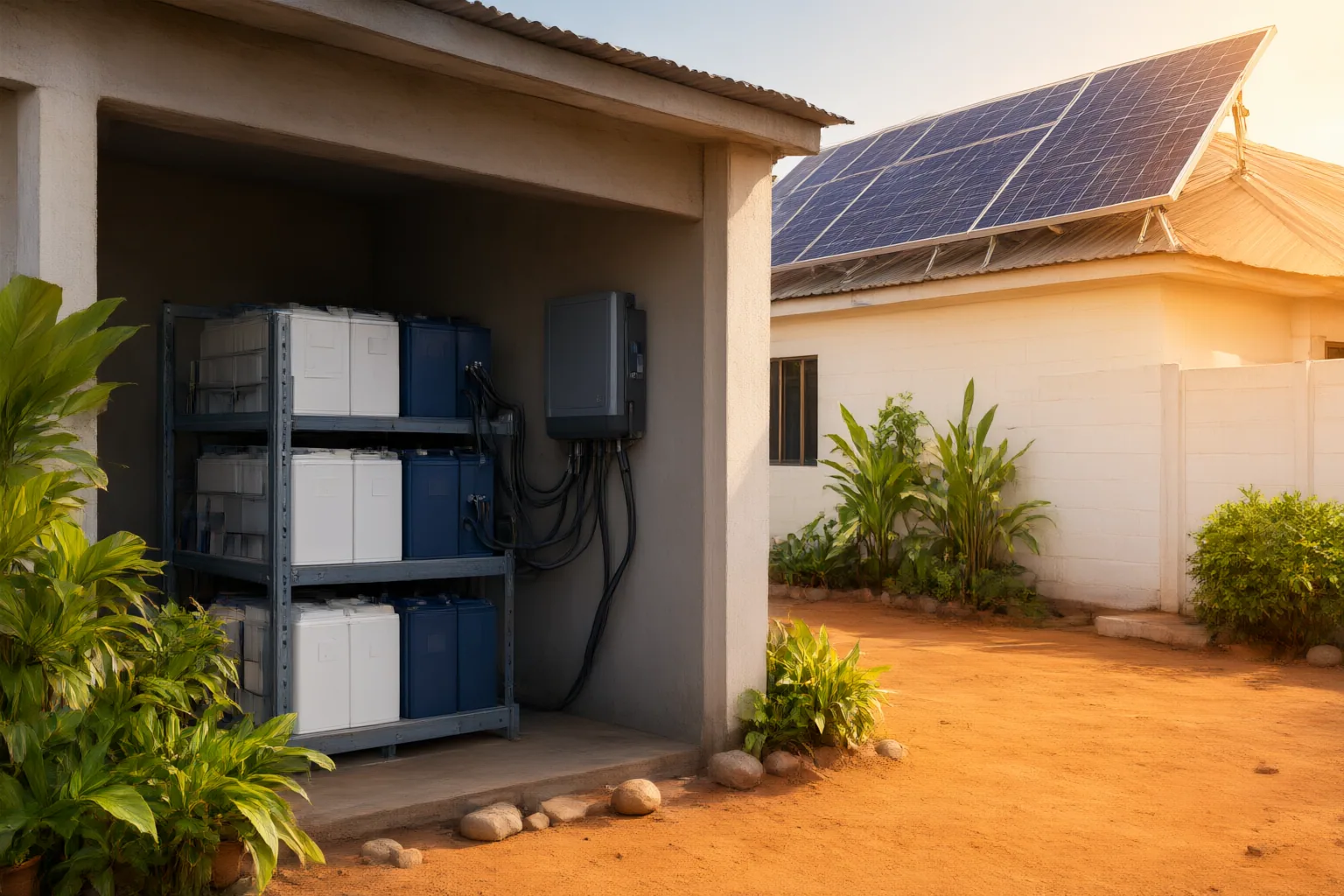
Solar generation and battery storage perform different jobs. Photovoltaic panels convert sunlight into usable electricity, while a rechargeable battery stores electrical energy and later supplies connected loads. A Nigerian household considering either or both should compare expected generation, storage and intended load support separately.
The Core Difference: Generating Electricity vs Storing It
Solar generation begins with energy from the Sun. Photovoltaic technology converts that energy into usable electricity. Its primary function in a home power system is therefore generation: producing electricity when sunlight is available.
A battery performs a different function. It contains one or more electrochemical cells and delivers electrical energy to a connected load through chemical reactions. A rechargeable battery can be discharged and recharged multiple times by applying electric current, unlike a primary battery that is used once and discarded.
This distinction matters when comparing a home power proposal. Solar panels and batteries are complementary, but they are not interchangeable. Panels do not provide storage simply because they generate electricity, and a battery does not create new solar energy. A proposal should explain how much electricity the photovoltaic system is expected to produce and separately describe the battery storage intended to serve connected loads.
How Solar Panels and Rechargeable Batteries Work Together
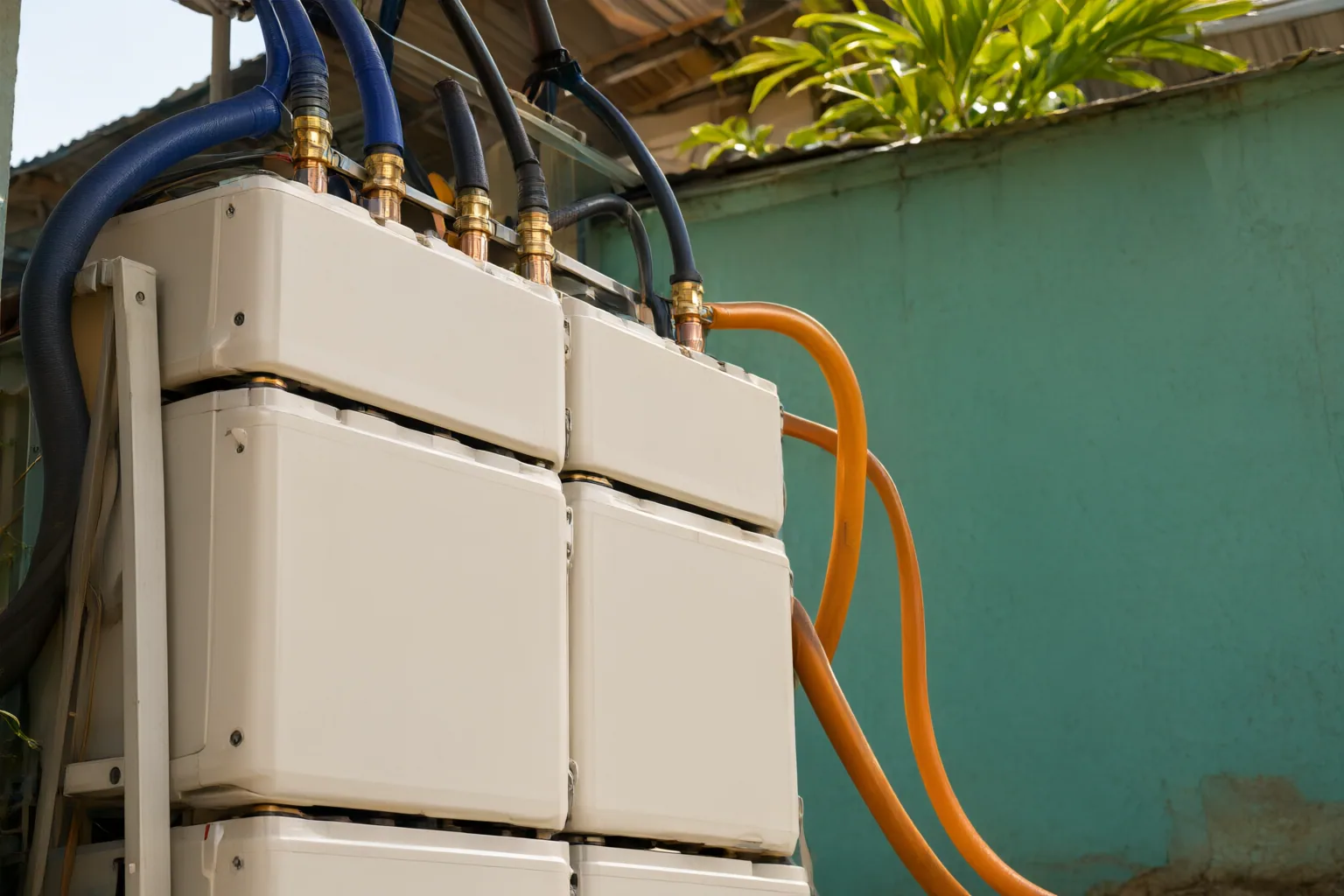
In a combined system, photovoltaic panels provide the generation function and a rechargeable battery provides the storage-and-supply function. Electricity generated from sunlight can be used in the system, while electrical input can charge the battery for later discharge. When discharging, the battery supplies electrical energy to a connected load.
Thinking in terms of this sequence—generation, charging, storage and discharge—helps a household ask clearer questions. Expected solar production and available stored energy describe different aspects of the system. The cited battery reference also identifies home energy storage connected to smart grids as one application of distributed rechargeable batteries, although it does not establish a required configuration for Nigerian homes.
The available sources do not specify Nigerian equipment rules, installation standards, prices or performance outcomes. They also do not support claims that a particular combination will power every household load for a stated period. Those questions require a proposal based on the home, its electricity needs and the system being offered.
What to Assess Before Comparing Home Power Proposals
There is no universal home-solar solution. General homeowner guidance from the U.S. Department of Energy recommends examining roof age, tree cover, roof size, shape and slope. These factors can affect rooftop suitability and likely electricity production, so a proposal should reflect the actual property rather than rely only on a standard package description.
A preliminary photovoltaic production estimate can help frame the discussion. The same guide points readers to PVWatts for initial estimates of grid-connected photovoltaic energy production and recommends obtaining a customised estimate from a solar installer. PVWatts and the guide are U.S.-oriented resources; they should not be treated as evidence of Nigerian regulations, incentives, certification requirements, financing programmes or expected local performance.
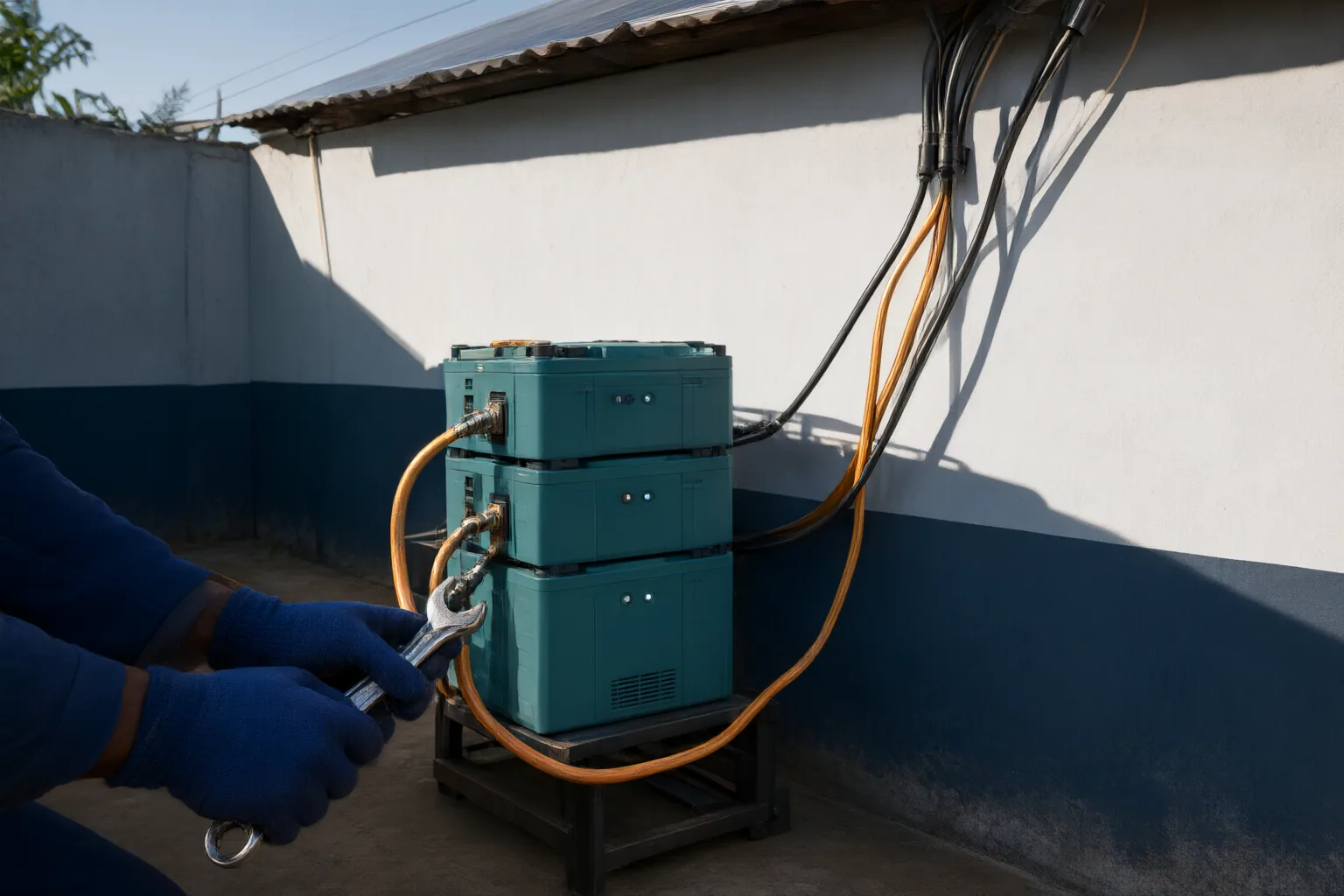
Before comparing offers, a household can document the appliances and other loads it considers essential, review roof and shading conditions, and ask each installer to state assumptions clearly. The proposal should distinguish expected solar generation from proposed battery storage and explain which loads the stored energy is intended to support.
Consumers should also take time to understand financing and documents before signing. The cited guide warns against pushy sales tactics and recommends consulting qualified installers. That is useful general caution, but its specific complaint channels, programmes and credentials should not be assumed to apply in Nigeria.
Conclusion
Solar panels generate electricity by converting energy from sunlight; rechargeable batteries store electrical energy and later supply connected loads. Treating these as separate functions makes it easier to compare proposals and identify unsupported promises.
List your essential electricity loads, inspect your roof and shading conditions, and consult qualified installers for customised estimates. Ask every proposal to separate expected photovoltaic production from battery storage and intended load support, while checking applicable Nigerian requirements independently.
Disclosures and limitations
- This article was prepared with AI assistance using only the supplied research package and its identified sources. The source material supports general technical distinctions and assessment principles, not Nigeria-specific prices, incentives, installation standards or performance claims.
- No specific product is recommended, and no affiliate relationship is represented. Readers should independently verify applicable Nigerian requirements and obtain site-specific proposals from qualified installers.
Related reading
- Renewable Energy in Nigeria
- How Nigerian Homeowners Can Assess Rooftop Solar Suitability Before Requesting Quotes
- How Nigerian Households Can Match a Solar Solution to Essential Electricity Loads
Sources
- Client Challenge — it.stonybrook.edu
- Solar energy – Wikipedia — en.wikipedia.org
- Homeowner’s Guide to Solar — Energy.gov
- Robot or human? — walmart.com
- Electric battery – Wikipedia — en.wikipedia.org
- Nigeria – Wikipedia, la enciclopedia libre — es.wikipedia.org
- Nigeria – Simple English Wikipedia, the free encyclopedia — simple.wikipedia.org