
MW measures power, while MWh and GWh measure energy over time. To compare Nigerian electricity figures correctly, preserve each figure’s exact label, unit and reporting period, and convert MW to MWh only when the relevant duration and output assumptions are known.
What MW, MWh and GWh Measure
A megawatt (MW) is a unit of power. It describes a rate at which electricity can be generated, delivered or used. Megawatt-hours (MWh) and gigawatt-hours (GWh), by contrast, are units of energy accumulated, generated, consumed, stored or delivered over a period.
This distinction matters when reading Nigerian electricity reports. Installed capacity and available capacity may both be stated in MW, but they carry different labels and meanings. Electricity generated during a quarter may be reported in MWh. The capacity figures describe power, whereas the generation total describes energy over time; placing their numbers side by side does not make them directly comparable.
Researchers should therefore begin by identifying the quantity represented, not merely by extracting its number. Compare power with power and energy with energy. If one source reports MW and another reports MWh or GWh, a valid comparison may require additional information rather than a simple change of unit.
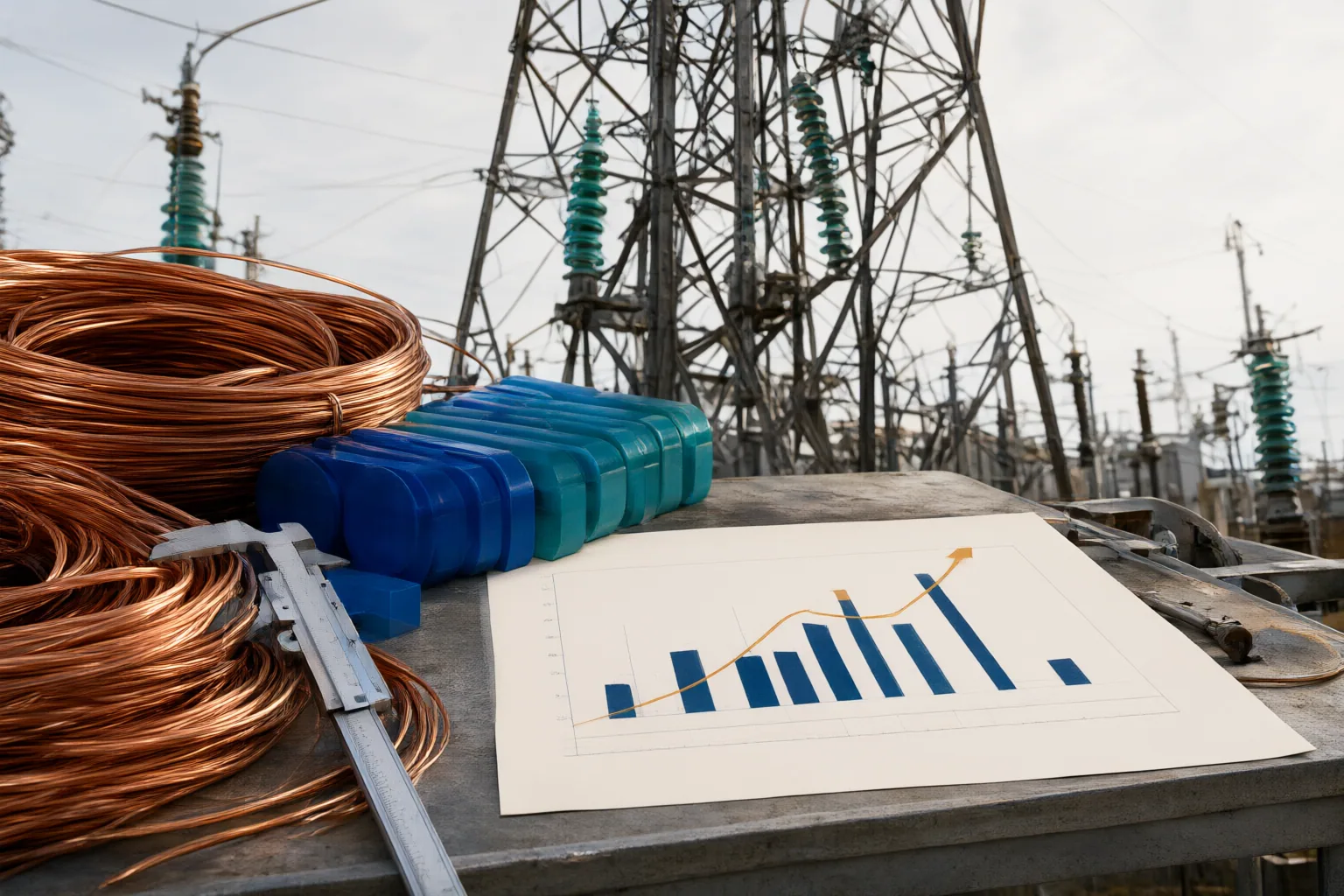
How to Convert MWh and GWh—and When MW Can Become MWh
Conversions between energy units are straightforward:
- 1 GWh = 1,000 MWh.
- 1 MWh = 1,000 kWh.
- To convert MWh to GWh, divide by 1,000.
- To convert GWh to MWh, multiply by 1,000.
Converting power to energy requires more than changing a prefix. When the applicable power level and duration are known, energy can be calculated as:
Energy (MWh) = Power (MW) × Time (hours)
For example, a stated power level maintained for a known number of hours can be expressed as an energy amount using that relationship. However, an MW capacity figure alone cannot reveal how many MWh or GWh were generated. The calculation also needs the relevant duration and applicable output assumptions.
This limitation is especially important for capacity data. A capacity label does not, by itself, establish that the stated power was continuously available or produced throughout the period. Researchers should not invent an operating duration or output level to complete a conversion. If those inputs are absent, retain the MW figure as power and describe the missing assumptions.
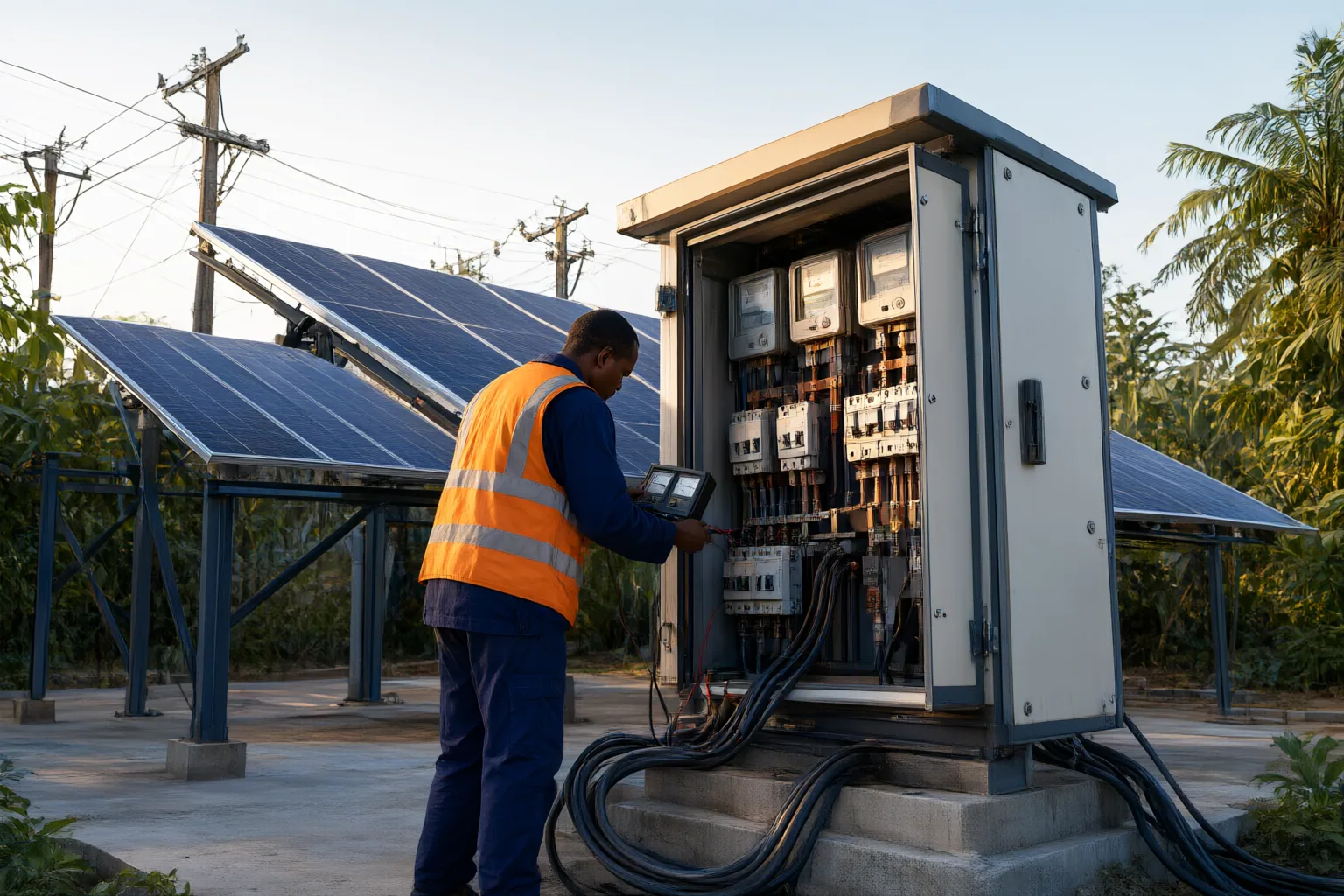
How to Compare Figures in Nigerian Electricity Reports
Use a consistent record for every extracted figure:
- Copy the exact descriptive label. Do not shorten “installed capacity” or “available capacity” to the ambiguous word “capacity.”
- Record the numerical value and unit exactly as published.
- Retain the date or full reporting period, such as “first quarter,” because an energy total cannot be interpreted properly without its period.
- Identify whether the measure is power or energy. Compare only clearly identified quantities with compatible units and aligned periods.
- Record any assumptions used in a calculation, including duration and the applicable power or output level.
- Consult the original dataset publisher when a definition or assumption remains unclear.
A supplied historical Nigerian guide illustrates why these fields matter. It reported 10,396 MW of installed capacity and 6,056 MW of available capacity. These are both power figures, but their distinct labels must be preserved. The same guide reported generation of 8,951,869 MWh for the first quarter of 2019 and 8,613,997.79 MWh for the first quarter of 2020. Those two generation totals use the same energy unit and corresponding quarterly periods, so their basis is clearer than a comparison between either total and an MW capacity figure.
These values are dated examples from the cited guide, not current Nigerian electricity statistics. Any researcher making a current claim would need newer corroboration. The example also does not supply a complete official methodology for resolving every ambiguous statistic, so definitions should not be inferred where the original publisher has not provided them.
Conclusion
MW expresses power; MWh and GWh express energy over time. Power and energy should not be compared as though they were interchangeable. An MW value can support an MWh calculation only when the relevant duration and applicable output assumptions are known.
Before citing or comparing a Nigerian electricity figure, record its exact label, value, unit, reporting period and calculation assumptions. Distinguish installed from available capacity, align like quantities and periods, and verify unresolved definitions with the original dataset publisher.
Disclosures and limitations
- This article was prepared with AI assistance from the supplied research package. Its unit relationships and historical examples are source-based; the cited Nigerian figures should not be treated as current without newer corroboration. No product or affiliate recommendation is included.
Related reading
- Electricity Consumers in Nigeria
- What to Check When Your Nigerian Prepaid Meter Rejects Every Token After an Account Update
- Meter Display Problem or Power Outage? Checks for Nigerian Electricity Consumers
Sources
- How to Verify Capacity and Output in Nigerian Electricity Data — Nigeriaelectricityhub
- MW, MWp or GW: renewable energy power and energy units — Solarig
- kWh, MWh, GWh: Your Bill, Your EV, and the Power Grid — XConvert Blog
- MW vs MWh: Difference, Formula, Examples and Calculator — HBOWA New Energy
- Energy Units (kWh, MWh, GWh, And MU) In Solar Power Plants – Electrical Vani — Electrical Vani