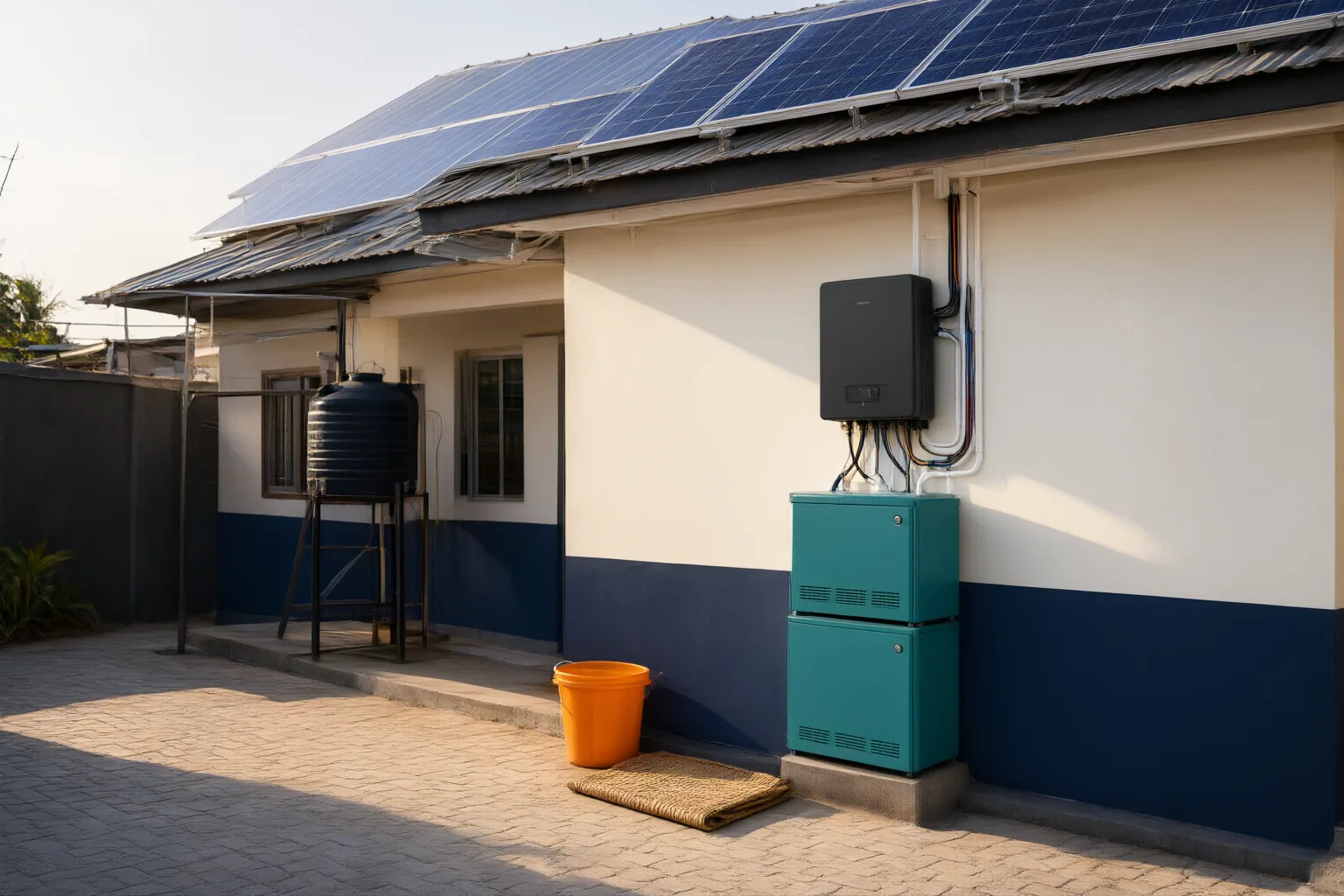
Start with when electricity is used and which appliances must remain available during an outage. Then evaluate panels, inverter, battery and monitoring as one system, using comparable installer quotes rather than choosing components from headline capacity claims alone.
Map Daytime, Evening and Essential Electricity Needs
Begin with a written load map. Divide household electricity needs into three groups: daytime loads, evening loads and essential backup loads. Daytime loads are used while solar production may be available; evening loads run after that production has declined; essential loads are the selected circuits or appliances that must remain powered during an outage.
For each item, record when it normally runs and whether it is essential. This exposes the difference between total household consumption and the smaller set of loads that may need battery support. It also helps reveal why a system can produce useful electricity during the day yet still fall short in the evening.
Decide explicitly whether the objective is whole-home backup or backup for selected essential circuits. These are materially different requirements, so battery proposals cannot be compared meaningfully until installers are working from the same scope. A household choosing essential-load backup should identify those loads consistently across every quote instead of allowing each installer to assume a different definition.
This planning exercise does not produce a reliable equipment size by itself. It creates the consumption profile an installer should use to explain how proposed generation and storage align with actual household demand.
Match Panels, the Hybrid Inverter and Battery Storage to the Load Pattern
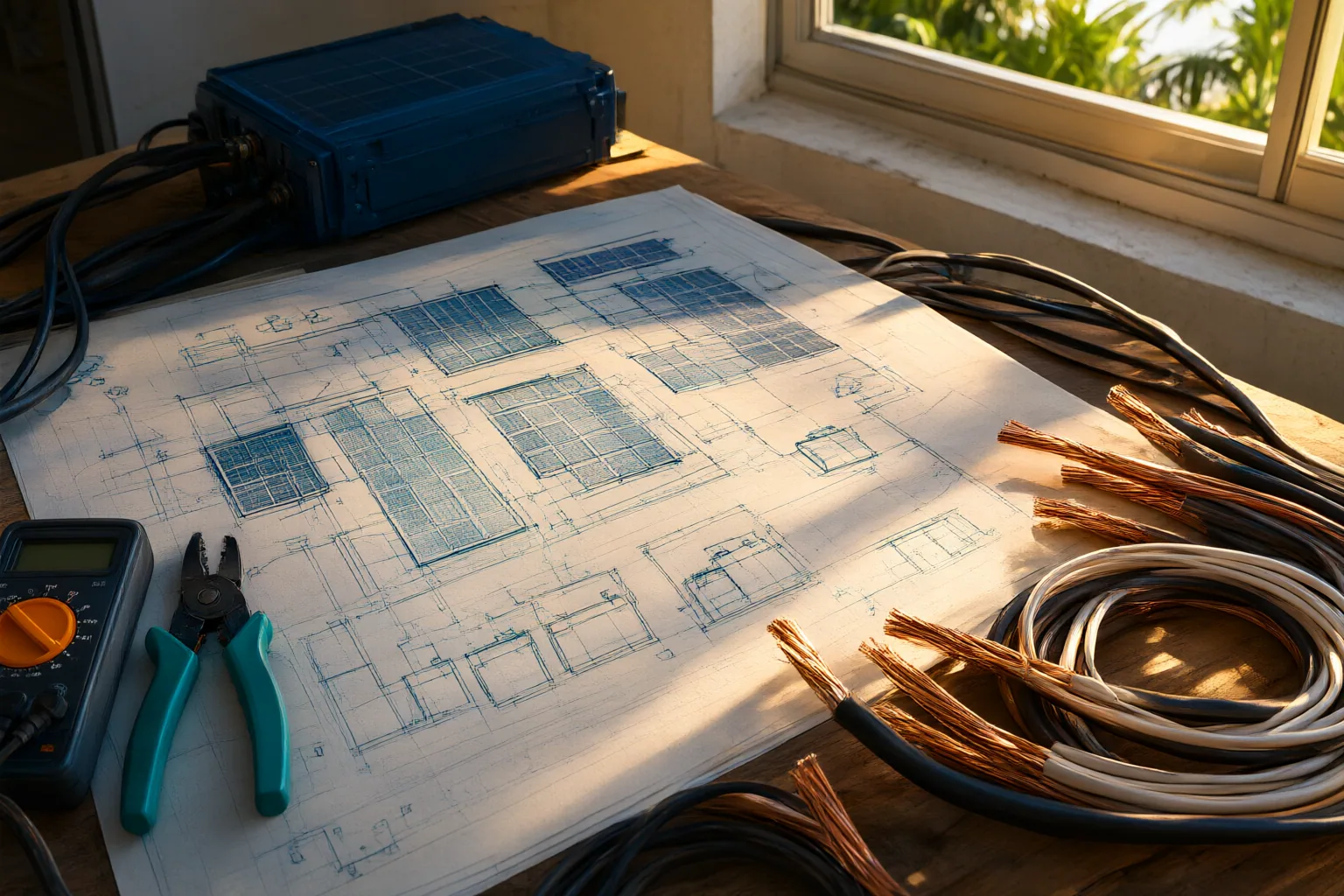
Assess panels, the hybrid inverter and battery storage as an interconnected system. A Nigerian residential provider markets solar panels, hybrid inverters, lithium batteries and installation together, but the presence of all these components does not establish that a particular configuration matches a household’s needs.
Solar production should be considered alongside the timing of consumption. Electricity generated while daytime loads are operating can serve those loads directly. Where production exceeds consumption around midday, battery storage can shift some of that energy into evening use. This is why simply adding panels may not resolve an evening shortage: the result depends on whether surplus production is available, stored and subsequently delivered when required.
Ask each installer to map the proposal to the load groups. The explanation should show which daytime demand is expected to coincide with solar production, which evening demand is intended to draw on stored energy, and which essential circuits are included during an outage. The hybrid inverter and battery should be discussed in that same operating sequence rather than as isolated specifications.
Avoid assuming that a larger headline capacity automatically provides better alignment. The supplied sources support matching production, storage and consumption patterns, but they do not provide enough household-specific data to prescribe equipment sizes. Sizing should therefore be tied to the documented load profile and clearly explained in each proposal.
Compare Installer Proposals, Monitoring and Coverage
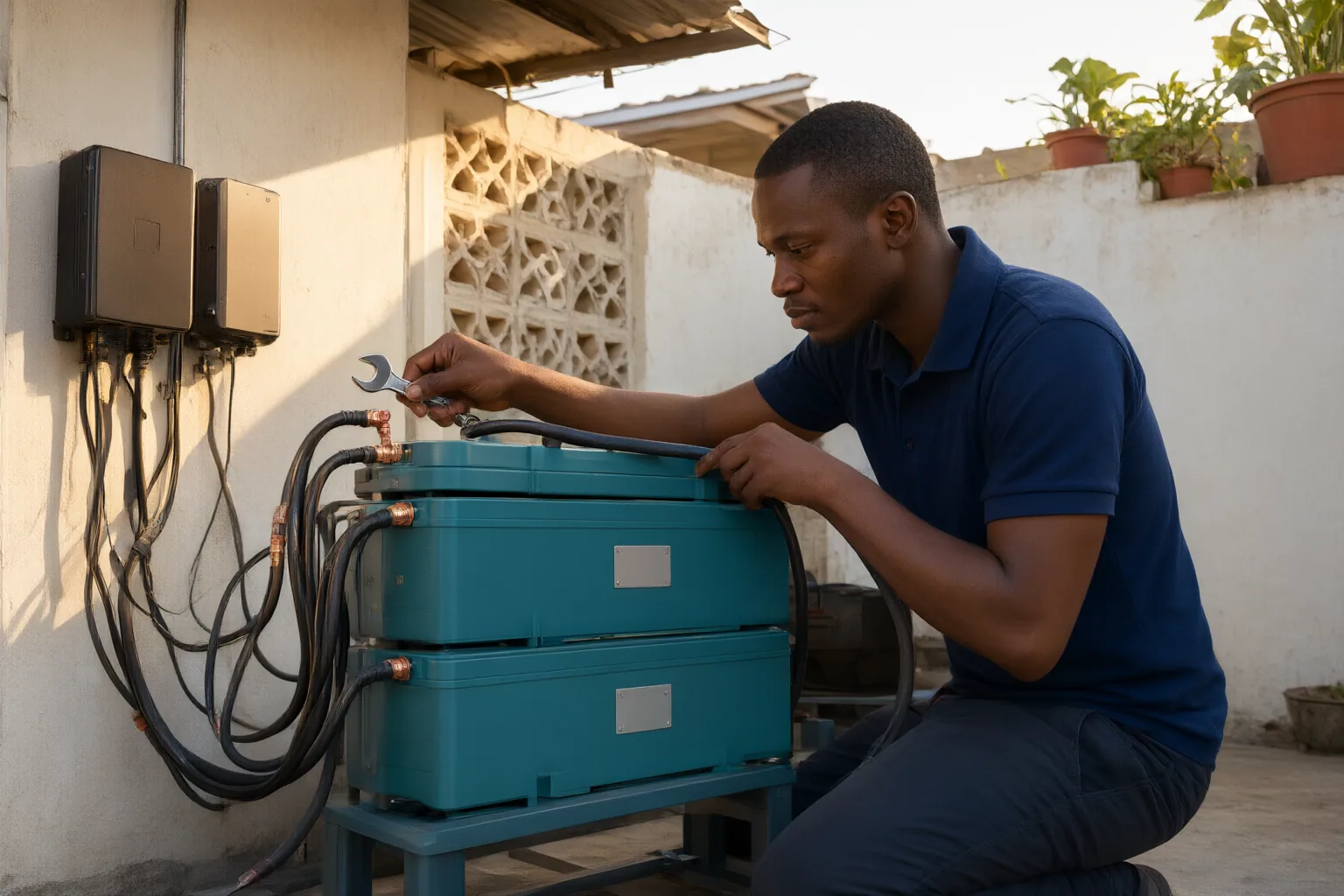
Request multiple quotes based on the same written load list and backup scope. Consistent inputs make differences between proposals easier to identify. For every quote, ask:
- Which listed loads are included in backup, and is the design for the whole home or selected essential circuits?
- How are daytime production, evening consumption and battery storage expected to work together?
- What monitoring or energy-management tools are included, and what information will they provide about production, storage and consumption?
- Who owns the equipment, and what service arrangement applies?
- Who is responsible for maintenance, and what work is included or excluded?
- What does each warranty cover, for how long, and who is responsible for delivering that coverage?
Monitoring and energy-management tools can help coordinate consumption with on-site generation. Ask installers to demonstrate what can be observed or managed rather than accepting “monitoring included” as a complete description.
Warranty and maintenance provisions can vary with the installer and the purchase or service arrangement. Compare the detailed terms, responsible parties and exclusions instead of relying on a headline warranty period. Guidance from a US installer review supports these general comparison questions, but its company-specific commercial details should not be treated as Nigerian market conditions.
Likewise, a provider’s Nigerian marketing page establishes that it offers panels, hybrid inverters, lithium batteries and installation; it does not independently verify system quality or customer outcomes. Use marketing claims as points to examine in the written proposal, not as substitutes for a load-based explanation.
Conclusion
Plan in sequence: document consumption by time of day, define the loads that truly require backup, and then assess how panels, the hybrid inverter, battery and monitoring would work together. Compare proposals only when installers use the same load list and clearly state the backup scope, maintenance responsibilities and warranty coverage.
Create your daytime, evening and essential-load list now. Give the same list to multiple installers and require each one to map its quote to those three groups in writing.
Disclosures and limitations
- This article was prepared with AI assistance using only the supplied research package. It synthesizes a Nigerian provider’s offering, general planning guidance and installer-review guidance; commercial descriptions do not independently verify product quality or outcomes.
- No affiliate relationship was provided for this article. Readers should still assess any commercial proposal independently, compare multiple quotes and confirm the applicable warranty, maintenance and service terms.
Related reading
- Renewable Energy in Nigeria
- How Solar Mini-Grids Can Extend Reliable Electricity Access in Off-Grid Nigerian Communities
- Nigeria Electricity Data Sources and Reporting Methods: A Practical Verification Guide
Sources
- Solar Mini Grids Put Nigeria on Path to Energy for All by 2030 — World Bank Blogs
- Pech Energy Solutions — Solar Energy Systems in Nigeria — Pech Energy Solutions
- Nigeria – Center for International Private Enterprise — Center for International Private Enterprise
- solar light outdoor garden sold on Temu United States — temu
- Nigeria Solar Marketplace | LinkedIn — ng.linkedin.com
- Sunrun Solar Review: Is the Biggest Company Your Best Deal? – CNET — CNET
- Solar and Battery Planning for Energy-Efficient Homes — linkedin.com