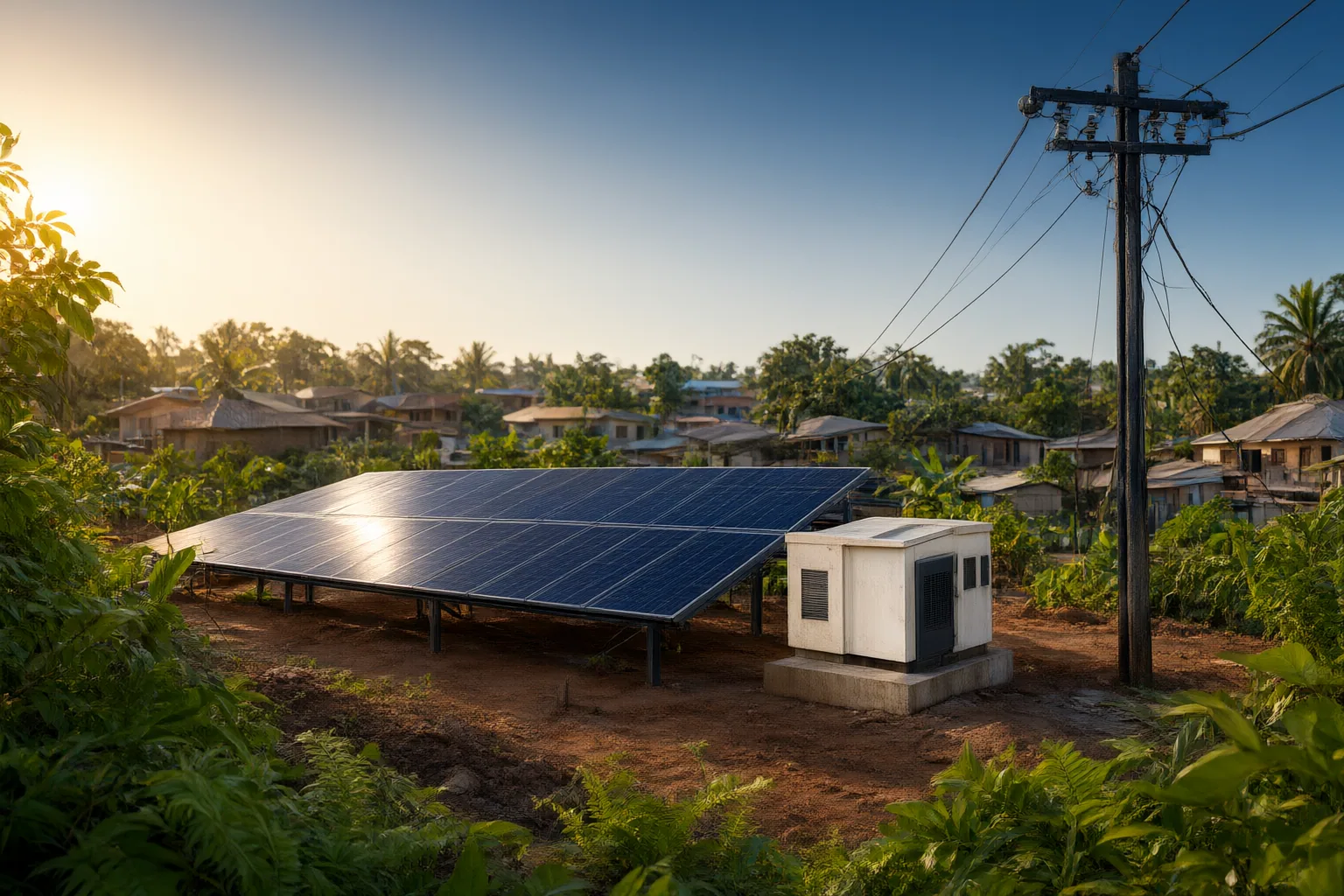
Reliable Nigeria electricity reporting begins by defining the metric, date, unit, geographic scope and source level. Installed capacity, actual generation, delivered electricity, tariffs and metering coverage answer different questions, so every figure should be traced to an official primary document whenever one is available.
Start With the Metric, Not the Headline
Electricity statistics are not interchangeable. Installed capacity describes the rated capacity of generating assets, while available capacity concerns what can operate under specified conditions. Actual generation measures electricity produced over a period, and electricity delivered to consumers reflects additional transmission and distribution constraints or losses. Supply shortfalls and outages describe service outcomes rather than generation capacity.
A supplied industry overview illustrates the distinction. It says Nigeria’s national grid connects 23 power plants with combined installed capacity of 11,165.4 MW. That figure should not be presented as the electricity available or delivered at a particular time. The same overview attributes 86% of generating capacity to mainly gas-based fossil fuels and the balance to hydropower, but it is a secondary compilation and mixes material from different periods.
Before quoting such figures, record the reporting date, whether the unit is MW or an energy unit such as TWh, and the precise definition. Identify whether the number covers connected plants, the entire country or only part of the system. Then locate the underlying official record and check whether a later release has revised it.

Build a Source Hierarchy and Verification Trail
Begin with the authority responsible for the statistic and preserve the original document, publication date and table or page reference. Primary regulatory, government or system records should take priority when available. Secondary summaries can provide context and discovery leads, but their figures should be traced to the documents they cite. A useful reporting note labels each source as primary, secondary, reference index or project-specific material.
The Climate Action Tracker source page for Nigeria demonstrates the role of an index: it lists government documents, reporting, research and Ember’s Electricity Data Explorer. That list can guide further research, but the page alone does not validate every conclusion in the listed materials. Each relevant document still needs to be opened, dated and assessed on its own terms.
Scope matters equally. The Global Energy Alliance page describes project needs involving data collection and management, field tools and internet-connected devices. Those details concern that institution’s project infrastructure; they are not evidence of a national electricity statistics system or national results.
For each claim, create a short verification trail: capture the exact metric and date, find the nearest primary record, compare it with at least one independent account where possible, explain discrepancies, and retain uncertainty when the evidence does not resolve them. Never extrapolate a project result or bibliography entry into a nationwide statistic.
Report Tariffs, Service Bands and Metering With Context
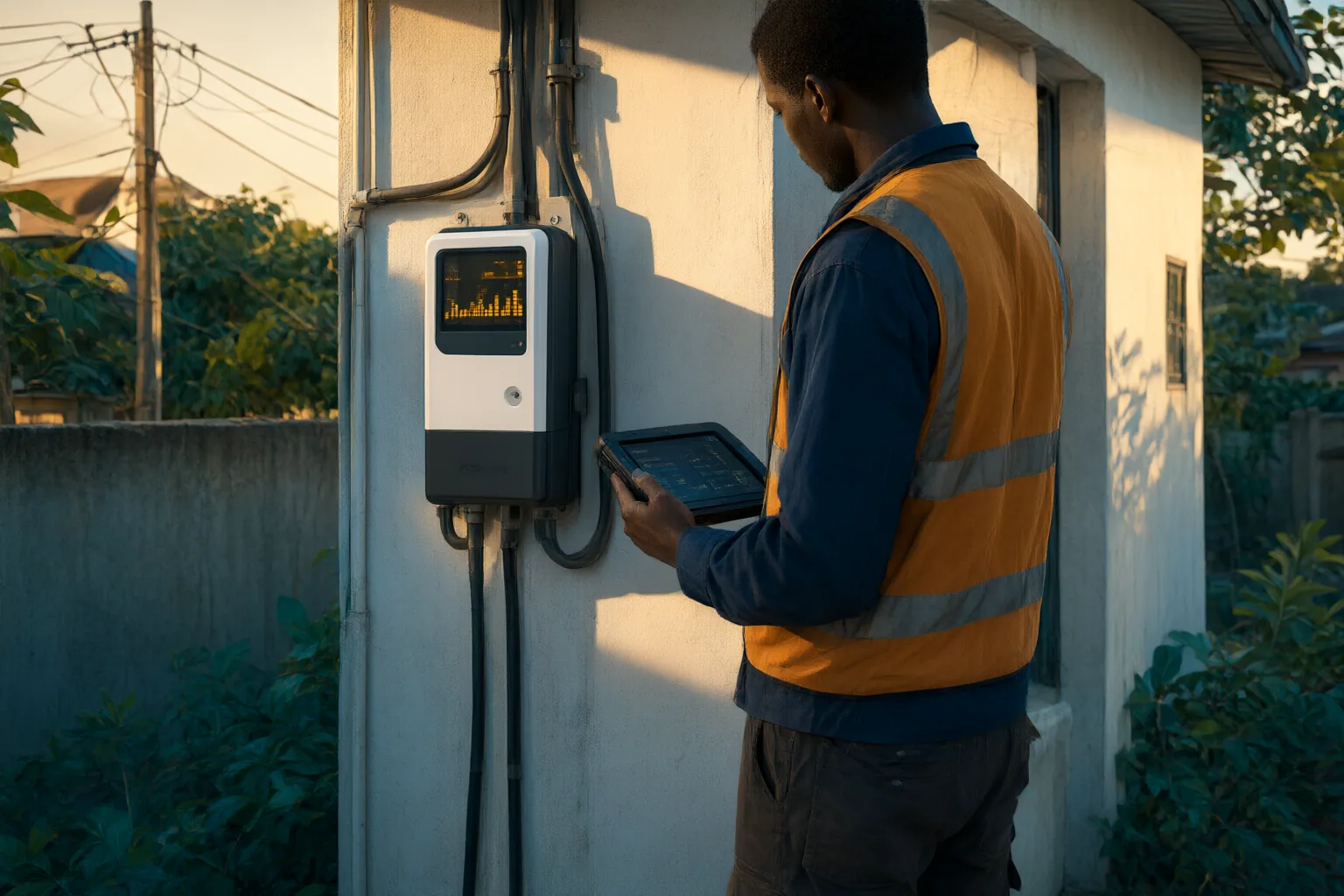
A tariff figure is incomplete without its effective date, currency and billing unit, customer category, service condition, cost components and regulatory basis. Reporters should also distinguish an approved charge from the revenue requirement or costs it is intended to recover.
ACER’s European methodology offers a useful organizational model: determine allowed revenues and associated costs, define the tariff structure, and allocate costs across charging categories. Its first European Union electricity network tariff database, launched in May 2026, was intended to centralize member-state information and make network cost recovery more comparable and understandable. Neither the database nor this framework describes Nigerian regulation, so it should be used only to structure questions—not to infer Nigerian rules.
The supplied 2024 media article shows why Nigerian claims need primary confirmation. It attributed statements to the electricity minister and NERC vice-chair that a tariff adjustment affected only Band A customers and described Band A as receiving at least 20 hours of supply daily. It also reported roughly 12 million meterable electricity locations, slightly more than five million metered locations and a gap exceeding six million. These are secondary attributions without supporting official documents in the research package.
Before publication, retrieve the relevant NERC or government instrument and verify the applicable users, service threshold, effective period and calculation basis. For metering figures, define the counted location, reporting period and coverage before drawing national conclusions.
Conclusion
A defensible electricity-data report should answer five questions: What exactly is measured? Which date and unit apply? What geographic and customer scope is covered? Is the source primary, secondary, an index or project-specific? What uncertainty remains?
Preserve those details beside every statistic. Do not turn installed capacity into a claim about delivered supply, present a European tariff framework as Nigerian policy, treat a reference list as verification, or generalize an institution’s project system to the whole country. Media-attributed tariff and metering claims should remain clearly attributed until the relevant Nigerian official record confirms them.
Before quoting or sharing any Nigeria electricity figure, record its date, unit, definition, geographic scope and source level, then retrieve and check the relevant official primary document whenever it is available.
Disclosures and limitations
- This article was prepared with AI assistance using only the supplied research package and content plan; its material claims are attributed through the listed source IDs.
- The supplied materials include secondary compilations, a reference index, media reporting and project-specific information. Nationwide capacity, tariff and metering figures should be checked against official Nigerian primary documents before publication.
Related reading
- Renewable Energy in Nigeria
- Nigeria Electricity Connection and Disconnection Notices: What the Available Evidence Establishes
- Nigeria Electricity Bill Breakdown: Service Bands, Estimated Billing and Consumer Rights
Sources
- Electricity sector in Nigeria – Wikipedia — en.wikipedia.org
- Network tariffs | www.acer.europa.eu — acer.europa.eu
- Sources — climateactiontracker.org
- Matters Pertaining To Nigeria's New Electricity Pricing — VIZTADAILY
- Nigeria | Where we work | Global Energy Alliance for People and Planet — Global Energy Alliance for People and Planet