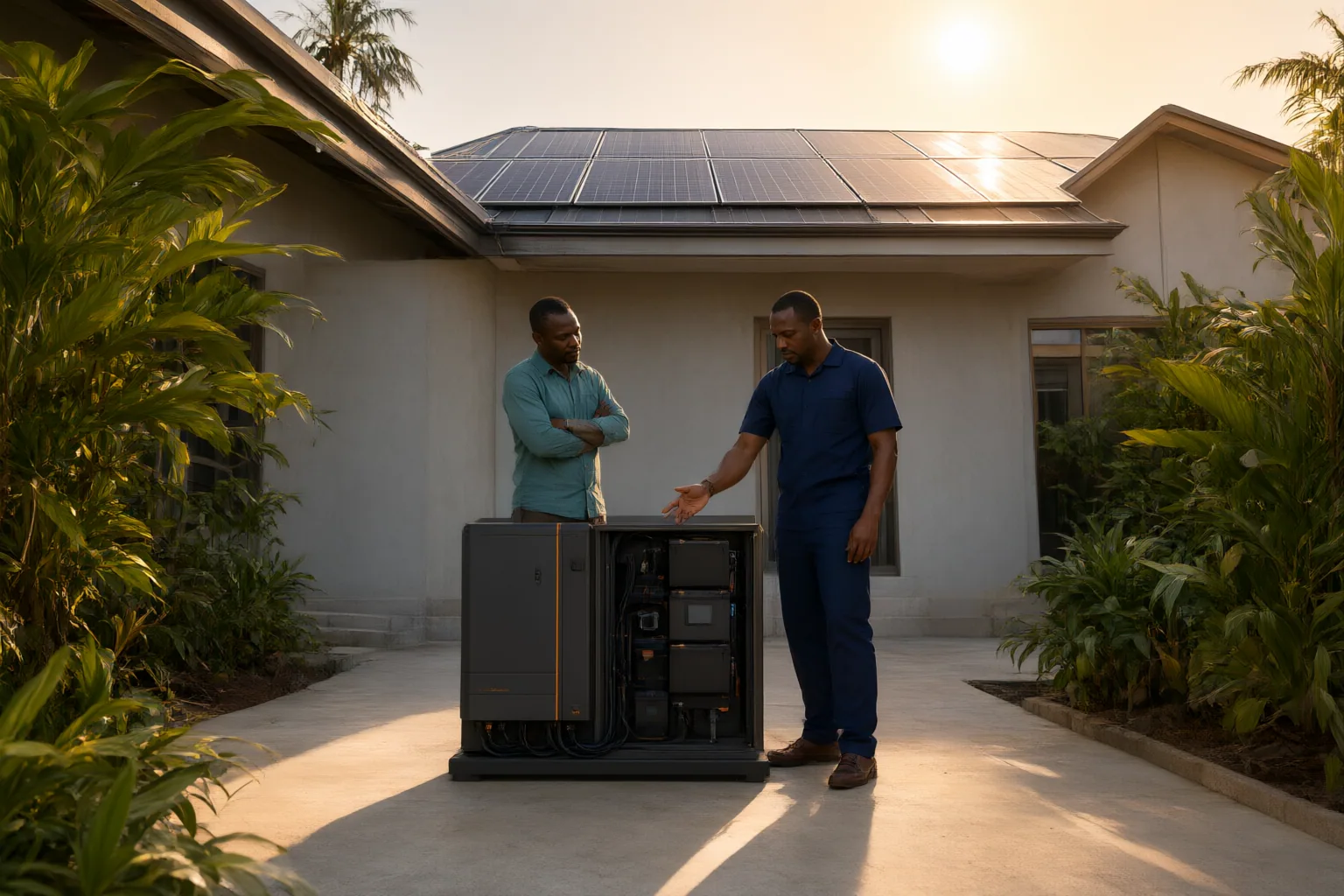
Before accepting a home solar proposal, verify that it reflects your electricity use, available installation space, energy goals and budget—and that the installer provides clear design assumptions, equipment documents, commissioning steps and maintenance arrangements.
Start With the Household’s Electricity Needs and Site
A suitable proposal should begin with the household rather than a preselected equipment package. Household electricity consumption, roof or installation-space constraints, energy goals and budget can all influence which equipment is appropriate.
Ask the installer to provide a written site assessment and explain the information used to develop the proposal. The assessment should make it possible to answer practical questions: What household consumption was considered? What available roof or installation area was assumed? Which energy goals does the design address? How did the stated budget affect the proposed equipment?
Check that the proposal connects these inputs to its recommendations. If the installer changes the equipment or design, ask how the change affects the original assumptions. A proposal that does not show this reasoning may be difficult to compare with another quotation because apparently similar equipment packages can be intended for different household requirements.
Do not treat an unsupported system-size recommendation or savings promise as established merely because it appears in a quotation. The supplied sources do not provide Nigerian costs, tariffs, incentives, expected savings or a universal method for sizing a household system.
Check the Installer’s Proposed Delivery Process
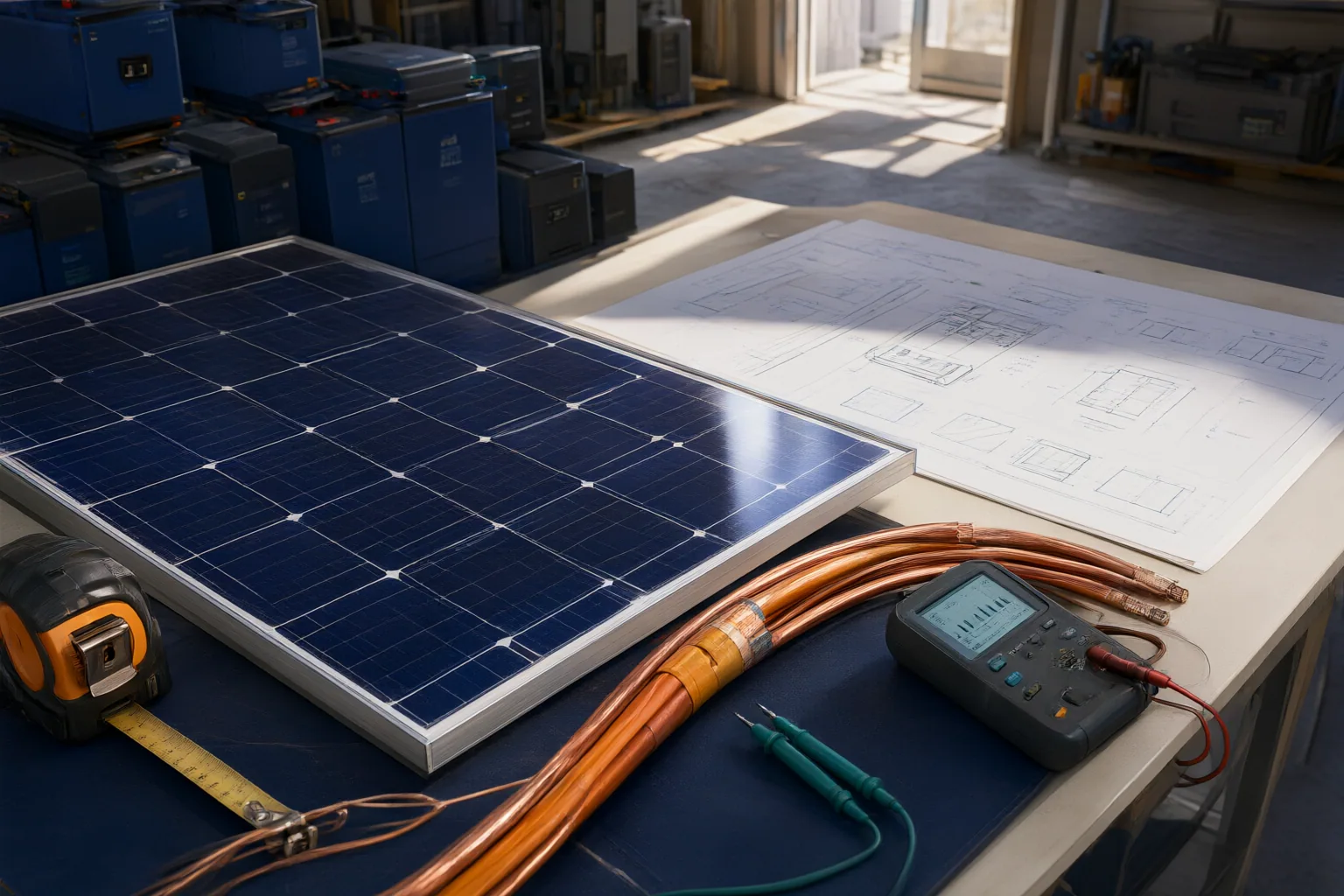
Review what the installer promises to do before, during and after installation. A Nigerian solar-project consultancy identifies site assessment, design and commercial review, construction monitoring, grid-connection work, commissioning, and operation-and-maintenance contracts as parts of project delivery. Not every household project will use every service, but the list provides useful stages to discuss.
Ask the installer to define the scope and responsibility for each relevant stage. The proposal should distinguish the initial assessment from the design review, explain how installation work will be monitored, and state what will happen during commissioning. It should also describe any continuing maintenance arrangement instead of leaving post-installation support unclear.
Request written answers where the proposal uses broad phrases such as “complete installation” without defining included work. Record what the installer will deliver, what the household must provide and which stages carry separate commercial terms. Also ask who will respond if equipment documentation, commissioning records or maintenance support is needed later.
Installer quality and available support can affect suitability alongside equipment specifications and warranties. However, the supplied evidence does not establish Nigerian licensing rules or mandatory installer qualifications, so this checklist should not be read as a statement of regulatory compliance.
Verify the Equipment Claims and Supporting Documents
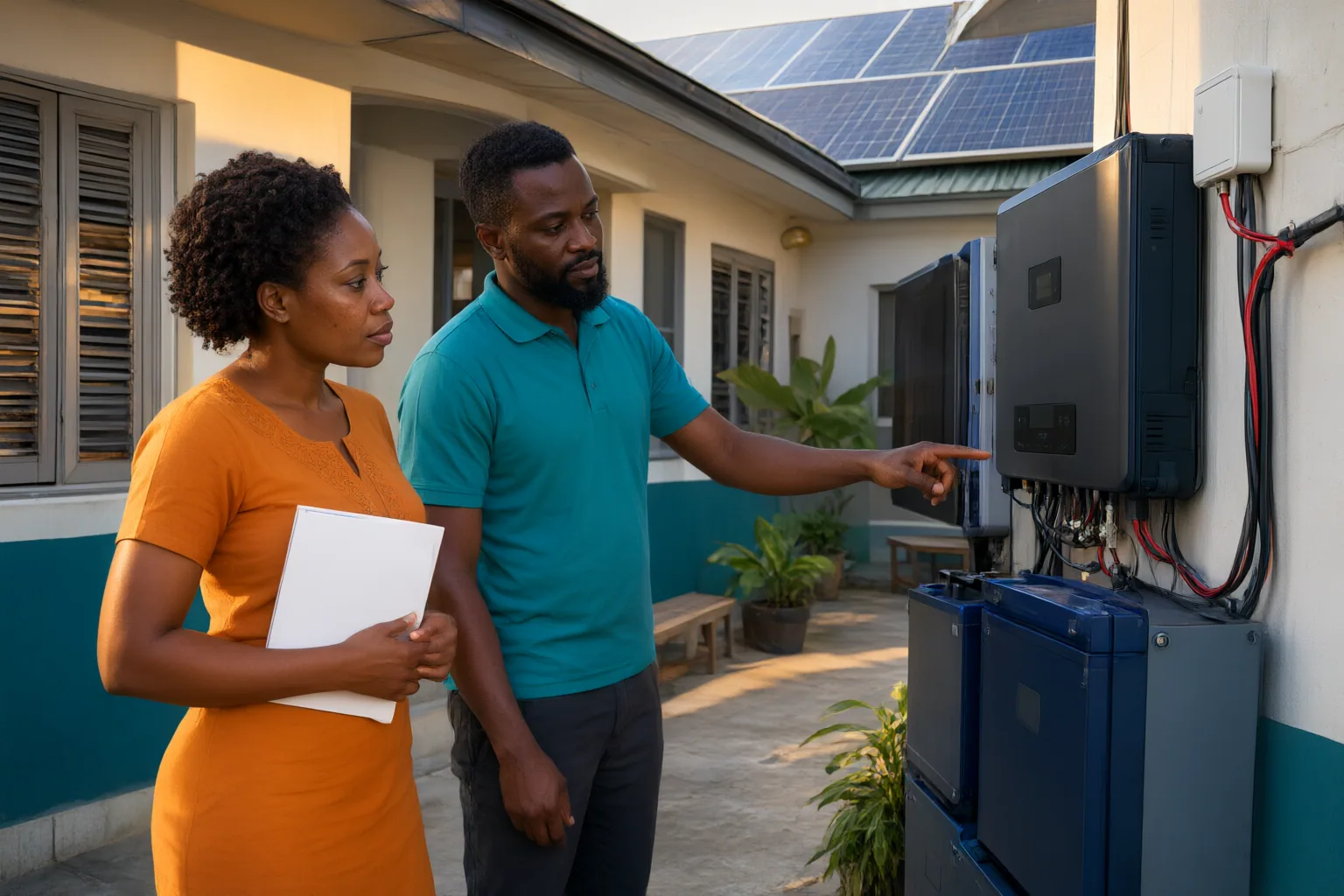
Ask for the manufacturer and model identification of each proposed major component, then request the documents that support the installer’s claims. A manufacturer download centre cited in the research separates energy-storage inverter documentation into categories including datasheets, installation and operation manuals, user manuals, maintenance guides, declarations and certifications. These categories form a practical document checklist even though the documents available will vary by product.
Use the datasheet to compare stated specifications with the proposal. Check whether the supplied manual corresponds to the exact model named in the quotation, and request the relevant operating and maintenance guidance. Where the installer refers to a declaration or certification, ask for the actual manufacturer document rather than relying on an unexplained label in the sales material.
Specification sheets are useful evidence, but they are not the whole purchasing decision. One cited panel comparison relied on public manufacturer specification sheets rather than in-person testing, and its guidance also identifies household requirements, installer quality, support and warranties as relevant considerations. Ask for written warranty and support terms and check that the equipment remains suitable for the assessment recorded for your home.
Treat foreign grid-connection descriptions cautiously. A cited Australian explanation says a grid-connected system converts panel-generated direct current into alternating current and may export excess generation to the grid. That general description must not be assumed to establish Nigerian connection rules, tariffs or export arrangements.
Conclusion
Evaluate the installer and the proposed system together. Confirm that the design begins with documented household needs and site information; that the delivery scope covers the relevant assessment, review, installation-monitoring, commissioning and maintenance stages; and that equipment claims can be traced to appropriate manufacturer documents.
Do not let a highly ranked panel or an impressive specification replace the wider review. Equipment still has to fit the household’s consumption, available space, goals and budget, while support and warranty arrangements need to be clear.
Before accepting a proposal, ask the installer for a written assessment, the design assumptions, exact equipment documentation, commissioning steps and maintenance arrangements. Compare those records with the quotation, and resolve every unclear or unsupported claim before making the purchase decision.
Disclosures and limitations
- This article was prepared with AI assistance using only the cited research sources. Claims were synthesized from source material and do not represent personal product testing or installation experience.
- No specific product is recommended. Readers should verify manufacturer documents, installer statements and Nigeria-specific requirements independently; any future commercial or affiliate relationship should be disclosed before recommendations are presented.
Related reading
- Renewable Energy in Nigeria
- How Nigerian Households Should Plan a Solar-and-Battery System for Daytime, Evening and Essential Electricity Needs
- How Solar Mini-Grids Can Extend Reliable Electricity Access in Off-Grid Nigerian Communities
Sources
- Downloads – SolaX Power — solaxpower.com
- Navigating New Solar Equipment Compliance Standards — linkedin.com
- About — Climate Now
- IBM and Boston Dynamics partner for National Grid project involving robot dog — ZDNET
- Solar Panels Sydney | Best Solar Installers Sydney | Captain Green — captaingreen.com.au
- Best Solar Companies in Kansas — CNET
- Solar project Development Consultancy services in Nigeria — unitronixglobal.com
- Best Solar Panels for Your Home in 2025: Efficiency and Cost – CNET — CNET