Before transferring money, independently verify the platform operator, the electricity project’s regulatory status, any claimed government involvement, and the investment terms. Guaranteed returns, urgent payment demands and unclear revenue sources are warning signs—not substitutes for evidence.
Start with the operator, not the website
A professional website, displayed certificate or persuasive social-media campaign does not independently prove that an electricity investment platform is authorised. Begin by identifying the legal entity behind the offer. Ask for its complete registered company name, registration number and physical address, then compare those details with current official records.
Check the operator independently against the SEC Nigeria public register where its activities or offering require SEC oversight. Depending on the type of entity or offer, relevant claims may also need to be cross-checked through official records associated with the Corporate Affairs Commission, Central Bank of Nigeria or Nigerian Exchange. Do not rely on links, screenshots or certificates supplied by the promoter alone.
Search the relevant regulators’ current records for enforcement actions or investor warnings. Ownership, contact details and the route through which payments are collected should be clear and consistent. A mismatch between the marketing name, registered entity and payment recipient requires an explanation supported by official documentation. The supplied research sources provide a general checking framework, but they are not substitutes for primary regulatory records.

Verify the electricity project and any government-backing claim
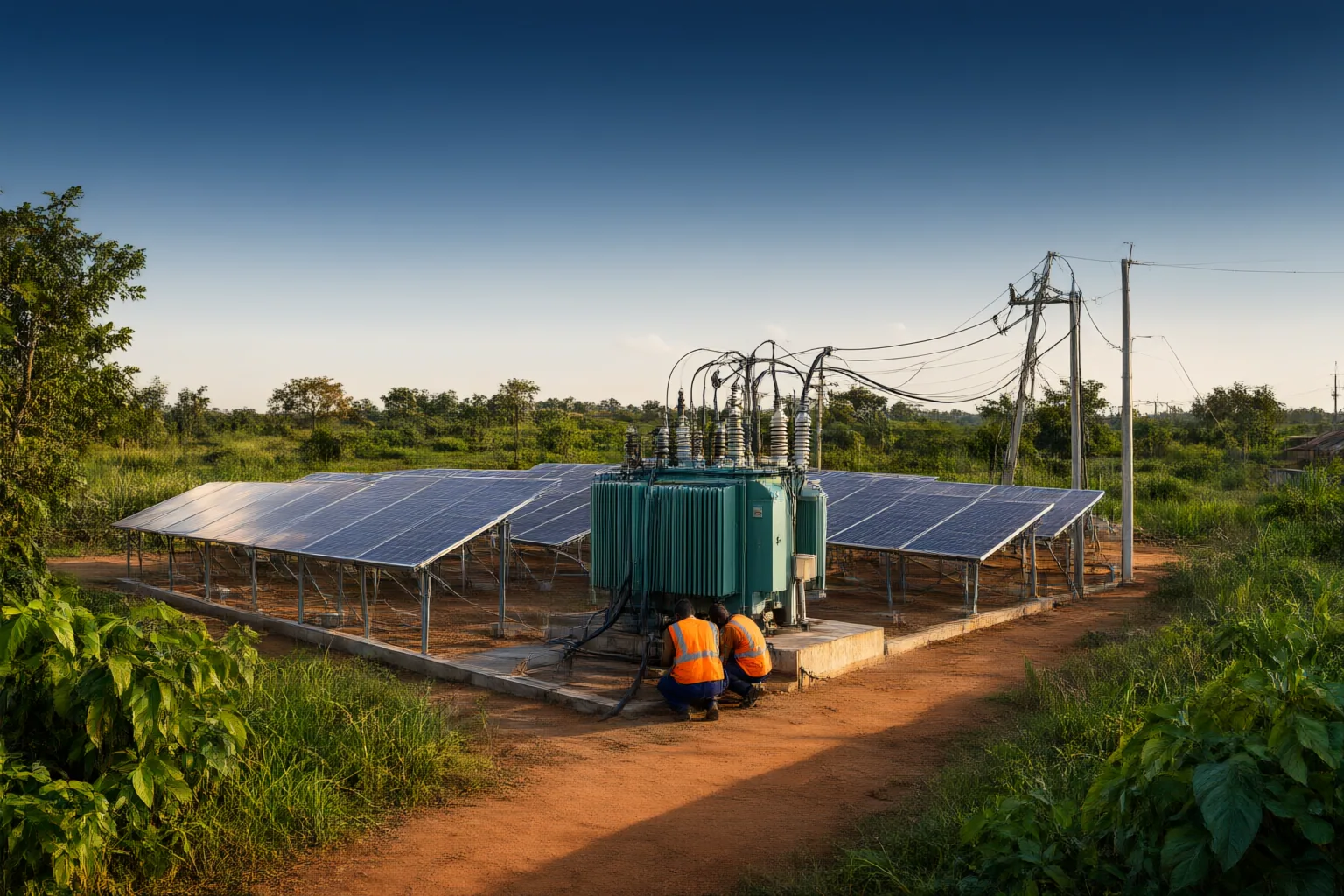
Platform registration and project authorisation are separate questions. Establish what electricity asset or activity is supposed to generate the returns, where it is located and which regulator has jurisdiction. A Nigerian electricity project may fall under NERC or a state electricity regulator, depending on its structure and location.
Request the relevant licences, permits and environmental approvals, then confirm them through the responsible authority’s current official records. Check whether the project name, legal owner, location, authorised activity and document status match the investment materials. Registration of an operator does not by itself establish that a particular project has every approval it needs.
Treat “government-backed,” “government-approved” and similar expressions as claims requiring precise evidence. Ask which agency is allegedly involved, what form that involvement takes and which document records it. Then verify the relationship with the named agency itself and compare it with the project’s regulatory documents. A general policy supporting electricity or renewable energy is not evidence that government guarantees a specific investment or its returns. The available sources do not establish government backing for any particular platform.
Test the returns, revenue model and investment terms
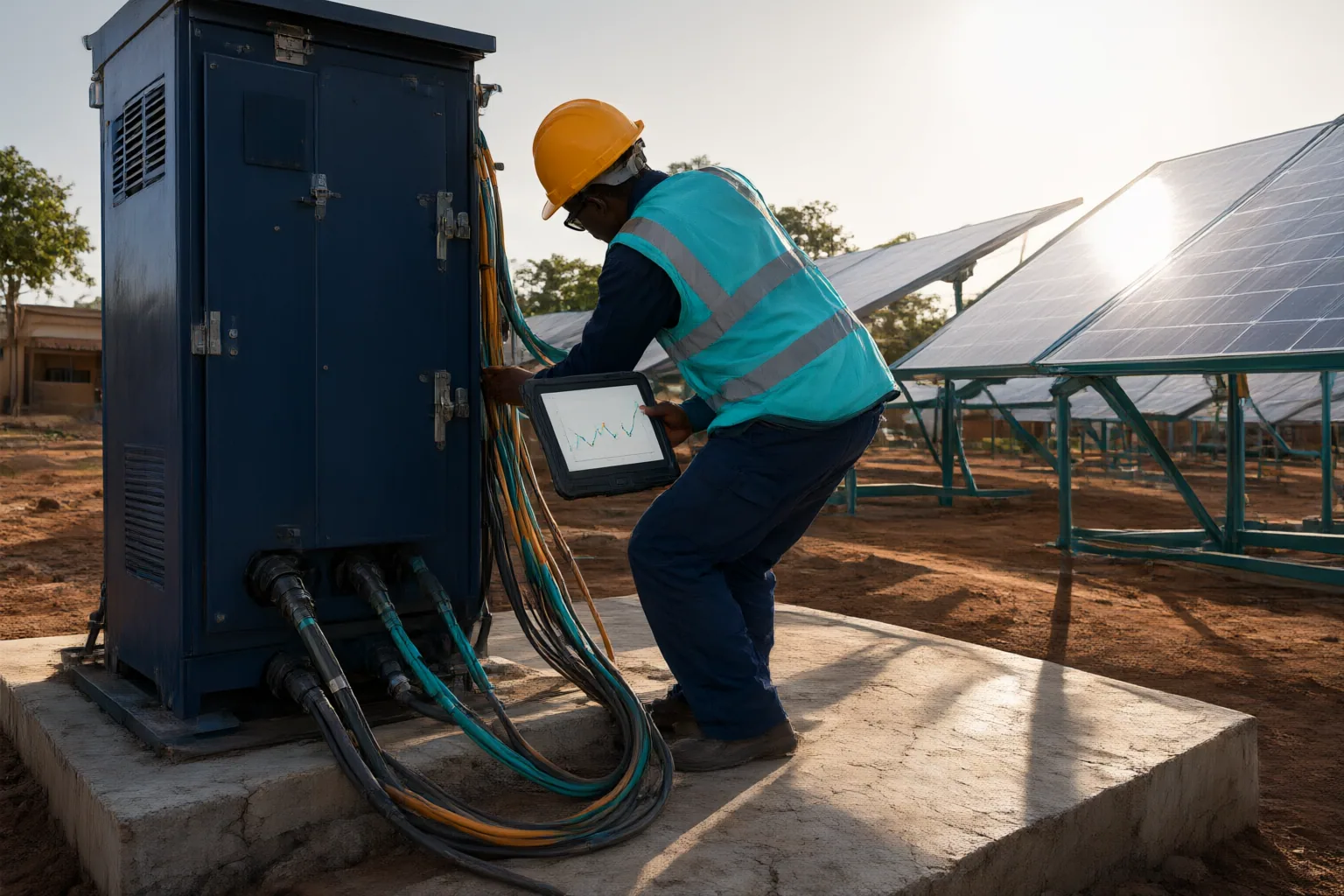
Fixed, guaranteed, unusually high or “risk-free” returns are major warning signs because legitimate investment outcomes remain exposed to risk and changing conditions. Ask how the project earns revenue, which party pays it, what costs are deducted and what could reduce or interrupt distributions. Claims involving secret algorithms or automated systems do not answer those questions.
Examine whether the platform clearly describes ownership, historical performance, associated risks and payment routes. Referral-heavy rewards, hidden ownership or an inability to connect returns to genuine electricity assets deserve particular scrutiny. Urgent deadlines and short offer windows should prompt a pause, not a rushed transfer.
Read the offering documents rather than relying on the headline return. Determine what legal interest the investor receives, whether eligibility restrictions apply, how long funds may be committed and whether there is a practical exit route. Energy-platform opportunities may be private, long-term and illiquid, so investors may be unable to withdraw when expected.
Project-level risks also matter. The research identifies regulatory uncertainty, failure by an offtaker to perform, defects in title and currency volatility as risks that can affect Nigerian energy projects. Ask how the offering allocates these risks and whether its return assumptions remain plausible if conditions change. If the platform cannot explain the revenue model, investment structure and material risks in clear, verifiable terms, do not treat the promised return as established.
Conclusion
Use a stop-or-proceed sequence. First, resist urgency and pause the payment. Confirm the operator’s identity and status through appropriate current official registers. Next, establish whether NERC or a state regulator has jurisdiction and verify the project’s licences, permits and relevant environmental approvals. Inspect the offering structure, revenue source, risks, holding period and exit terms. Finally, check any government-backing claim directly with the specifically named agency.
Do not transfer funds while a material claim, ownership detail, approval or payment route remains unconfirmed. Use current official records rather than promoter-supplied evidence, and seek qualified professional advice when the legal, regulatory or financial implications remain unclear.
Disclosures and limitations
- This article was prepared with AI assistance from the supplied research package and approved content plan. Its supporting materials are secondary or commercial sources, so current registration, licensing and government-backing claims should be verified through the relevant authorities’ official records.
- No specific platform or product is recommended, and no affiliate relationship is presented or implied.
Related reading
- Digital Safety Guides for Risky Links and Online Claims
- Electricity Account Recovery Offer: Warning Signs of an Impersonation Attempt
- How to Assess a Browser Extension Request for an Electricity Outage Map
Sources
- Due Diligence Considerations for Renewable Energy Investors in Nigeria — bettercallkeyz.substack.com
- Top Energy Investing Platforms to Consider in 2026 — IRA Financial
- How to Spot Investment Scams in Nigeria: Red Flags Every Investor Should Know — sharessaver.com
- FRAUD ALERT: Simple methods to verify online investment platforms in Nigeria — WITHIN NIGERIA
- Renewable Power Capital | Renewable Energy Investment Platform — renewablepowercapital.com
- Sec warns against shady online investments how to: SEC Warns Against Shady Online Investments: How to Protect Your Naira in (2026) — kudicompass.com
- Energy Impact Partners – We invest in companies shaping the energy landscape of the future — Energy Impact Partners – We invest in companies shaping the energy landscape of the future