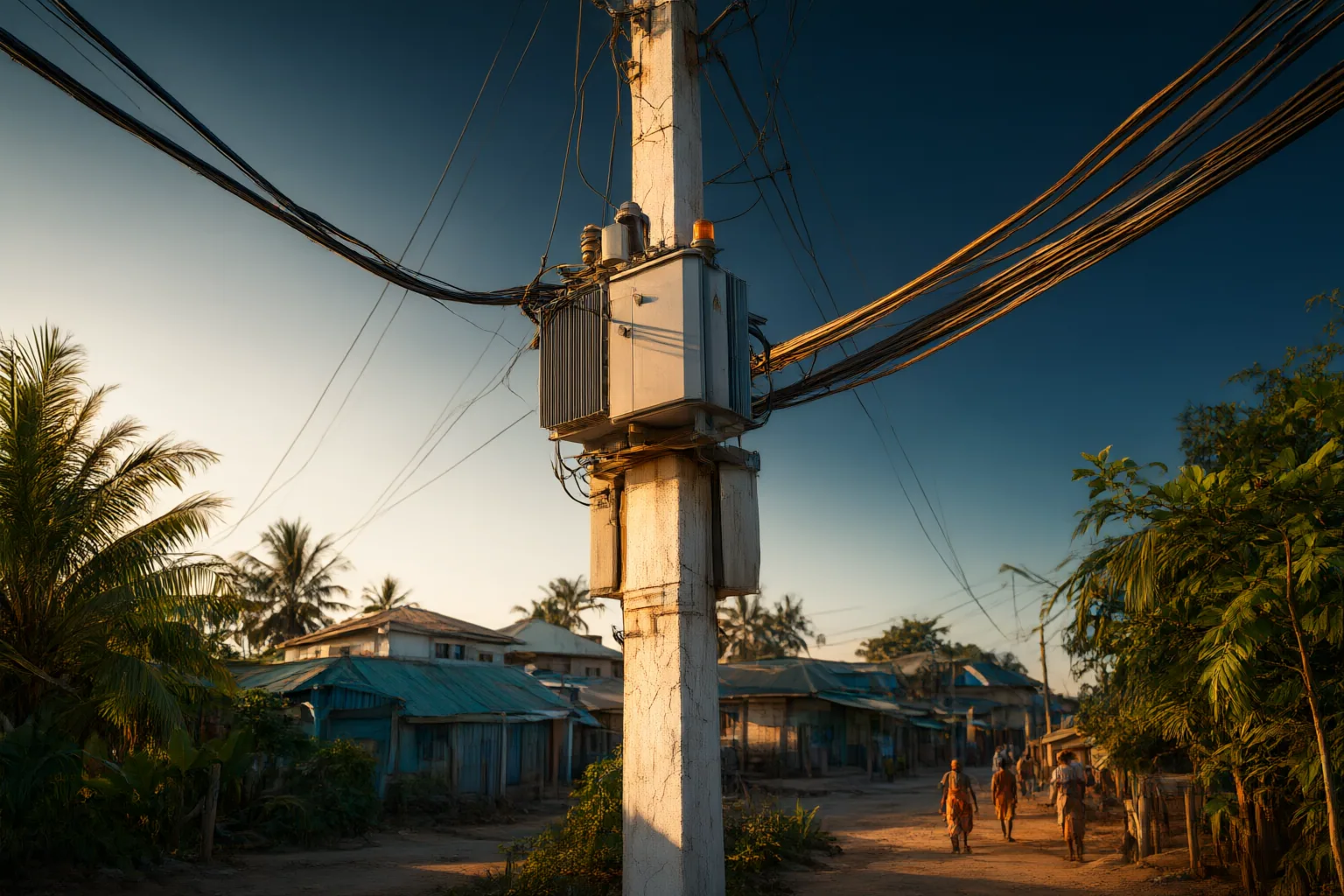
Feeder-level data can show how electricity supply duration, losses, collections and network conditions vary across local distribution segments—differences that a distribution company’s overall averages may conceal. However, whether published data protects individual customers depends on its fields, granularity, aggregation and publication controls.
What feeder-level data can show
A feeder is a useful level for examining electricity service because it offers a more localized view than a distribution company’s overall figures. A proposed Nigerian reporting approach includes monthly figures for energy received, energy billed, revenue collected, technical and commercial losses, collection efficiency, hours of supply and customer complaints. These are proposed reporting measures, not evidence that every distribution company currently publishes them or that they represent audited, sector-wide requirements.
Viewed together, the measures can describe several connected patterns. Energy received and billed can help frame how much electricity enters a feeder and how much is recorded for billing. Loss figures can highlight gaps associated with network performance and commercial processes, while collections and collection efficiency show the relationship between billing and recovered revenue. Hours of supply and complaint totals add service-related context.
This detail matters because a company-wide average can combine feeders with substantially different conditions. Two feeders within the same distribution company may have different supply durations, losses, collection outcomes or complaint patterns even when the company reports one headline average. Feeder reporting can therefore help consumers, regulators, researchers and journalists ask more precise questions about local service without treating a broad average as representative of every area.
How feeder measurements reveal operational patterns
The strongest insights usually come from comparing a feeder with itself over multiple periods and comparing circuits using consistent measures. Feeder-circuit analytics can help identify poorly performing circuits, track changes and support decisions about maintenance, asset management, restoration and outage response. A sustained deterioration may warrant investigation, while improvement after maintenance can provide evidence about how circuit performance changed.
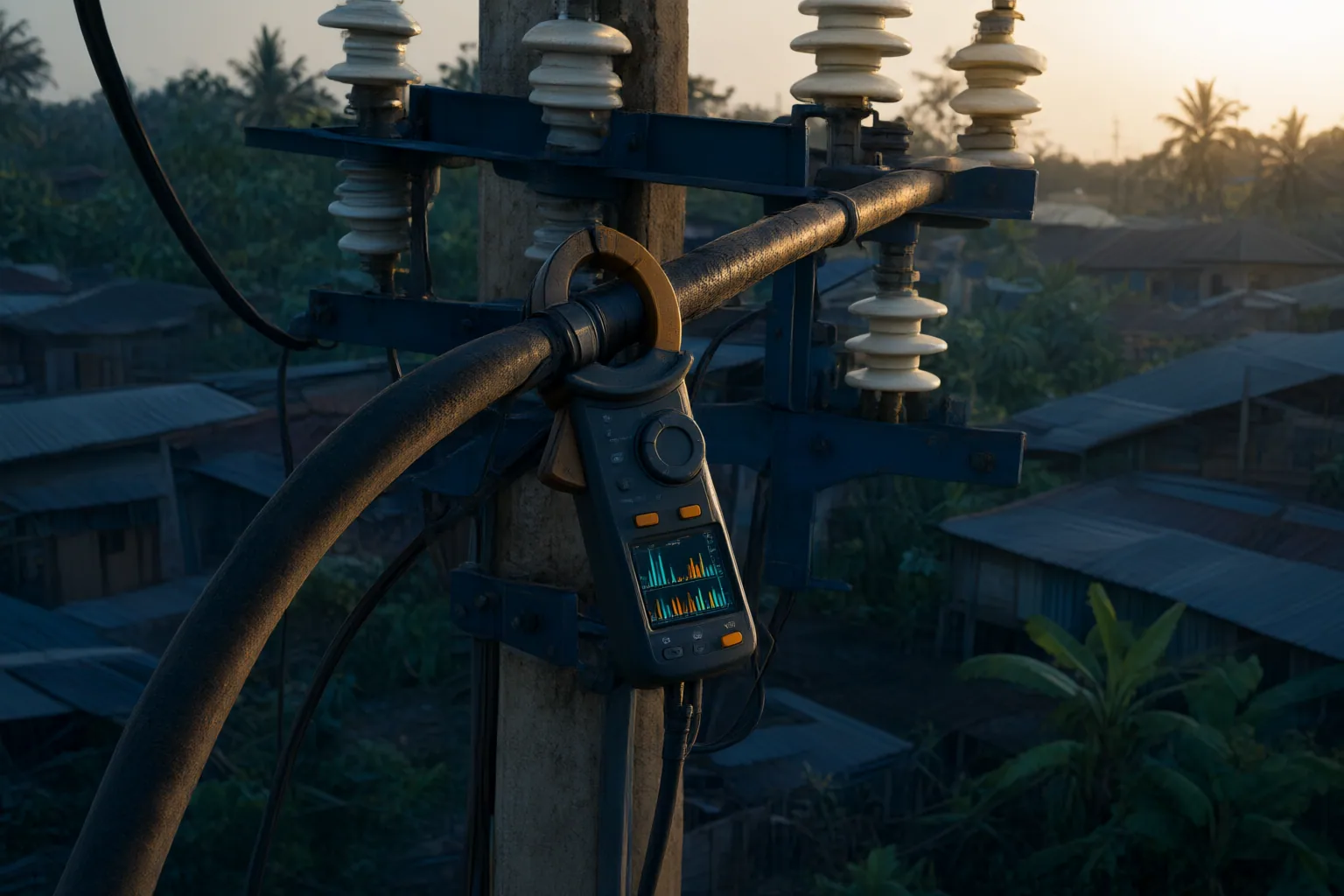
Electrical measurements add another layer. Monitoring along a feeder can capture voltage, current, frequency and power-quality conditions. Repeated deviations or disturbances can help operators understand how the circuit behaves as loads change and can reveal brief events that might otherwise remain unseen until they contribute to a sustained outage. These signals can guide investigation, but they do not by themselves prove the cause of a fault.
Load-profile datasets may include interval demand, phase loading, voltage drop and use of thermal capacity. Interval demand shows how load changes over time. Phase-loading information can expose imbalance, while voltage-drop data can indicate where service conditions deteriorate along the circuit. Thermal-capacity utilization can help identify periods when equipment is operating closer to its limits. Combined across several reporting periods, these indicators can support assessment of grid performance and operational risk and help utilities prioritize limited maintenance or restoration resources.
What the data cannot establish on its own
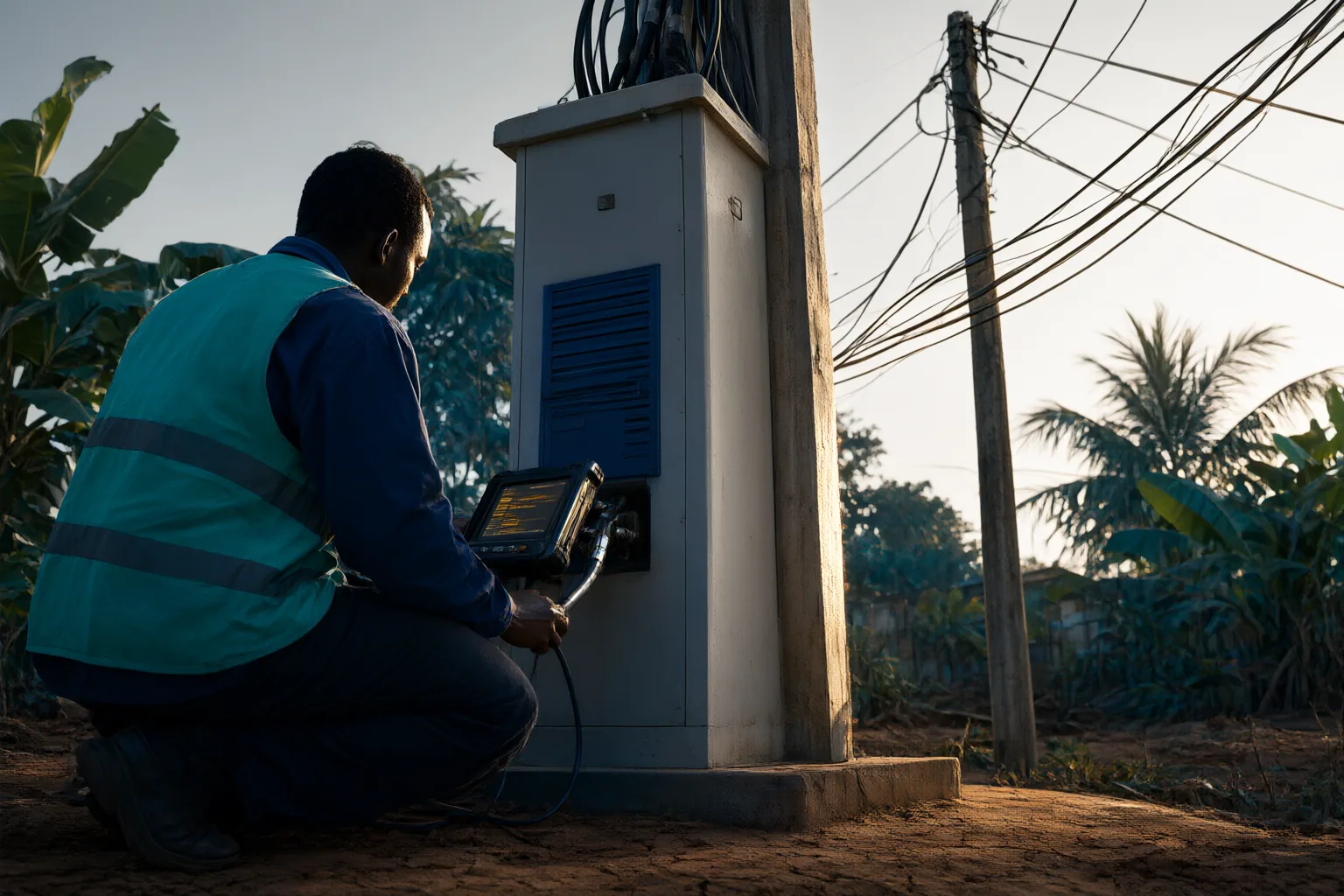
Feeder metrics describe conditions across a local network segment; they do not automatically explain every outage, equipment problem or individual customer’s experience. A monthly hours-of-supply figure, for example, may show a broad service pattern without revealing whether every connected customer experienced precisely the same availability. Complaint totals can provide useful context, but they are not a complete measurement of all service problems.
Likewise, a change in losses, voltage or power quality can identify an issue that deserves investigation without establishing its cause. Interpretation may require comparison with other periods, operational records and measurements from additional points on the network. A single observation should not be treated as a complete diagnosis.
Feeder-level reporting also does not guarantee customer anonymity merely because the dataset is labelled “feeder-level.” The supplied sources describe operational and performance measures but do not document privacy safeguards. Before claiming that customers cannot be identified, reviewers should examine the fields released, geographic and time granularity, level of aggregation, suppression practices and publication controls. A dataset with sufficiently narrow categories or detailed records may present different privacy considerations from a genuinely aggregated report. The evidence supports describing feeder patterns, not making an unconditional promise that every possible feeder dataset is anonymous.
Conclusion
Feeder-level data can make differences in supply duration, energy flows, losses, collections, complaints and circuit conditions more visible than distribution-company averages. Measurements such as voltage, current, frequency, power quality, interval demand, phase loading, voltage drop and thermal-capacity utilization can also help reveal disturbances, imbalance, changing loads and emerging operational risks.
These findings remain indicators of network-segment performance, not automatic explanations of individual outages or proof of any customer’s experience. Privacy depends on how a particular dataset is designed and released, not simply on the use of the word “feeder.” When reviewing or sharing a feeder report, compare multiple reporting periods and check its stated aggregation, granularity, suppression practices and publication controls before drawing conclusions about local service or individual customers.
Disclosures and limitations
- This article was prepared with AI assistance using only the supplied research package and the source IDs cited in each section.
- The article provides source-based explanation rather than an audit of any Nigerian utility, and it contains no product recommendation or undisclosed affiliate endorsement.
Related reading
- Data & Reports for Nigeria’s Electricity Sector
- How to Use an Appliance Inventory to Investigate Household Electricity Changes in Nigeria
- How Nigerian Electricity Consumers Can Log Supply Interruptions for Service-Quality Comparisons
Sources
- Building measurable, cost-reflective tariffs in state electricity markets (3) — Business A.M
- HEXstream–The global leader in data integration and analytics for the utility industry. — hexstream.com
- Feeder-Level Load Profiles and Substation Demand | Synthetic Dataset | GoMask — GoMask
- The Distribution Visibility Gap: Why Utilities Are Expanding Feeder-Level Awareness to Improve Reliability – Electrical Grid Monitoring — Electrical Grid Monitoring
- The Distribution Visibility Gap – Electrical Grid Monitoring, Inc. — Electrical Grid Monitoring, Inc.
- GitHub – Aman2GNAEnergy/feeder-level-modelling: Kotpulti circle feeder level load demand forecasting — GitHub