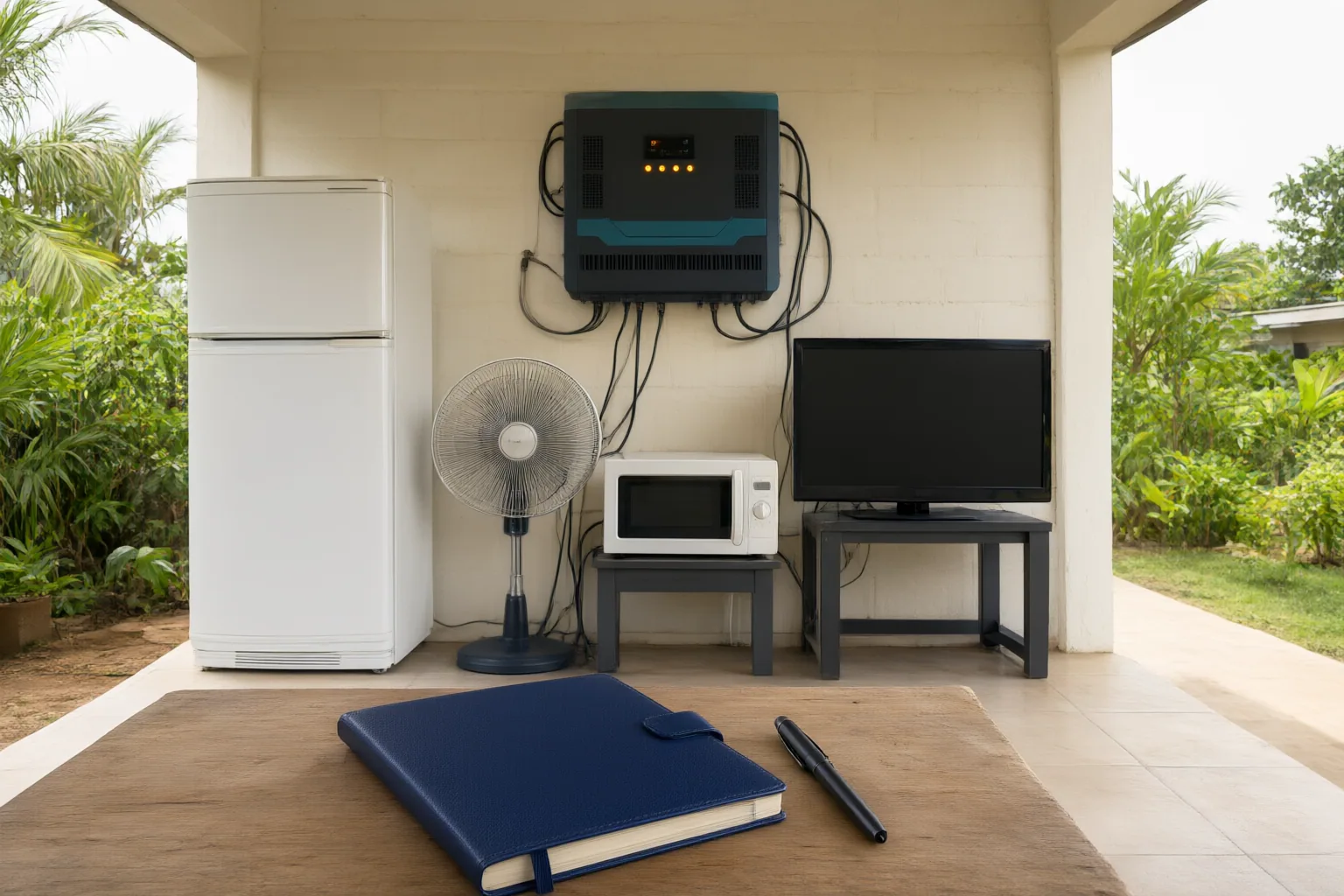
A dated, model-specific appliance inventory can help a Nigerian household identify what changed at home when electricity consumption changes. It is an organisational aid, however—not proof of the cause—and the supplied sources provide no Nigerian usage benchmarks, wattage data, tariff information or metering guidance.
What an appliance inventory can—and cannot—show
An appliance inventory is a structured record of the equipment present in a household at a particular time. The cited retail materials demonstrate why specificity matters: they cover several appliance categories, while individual listings distinguish products by details such as model, size, fuel type and features. A record built at that level is more useful than trying to remember later which refrigerator, range or other appliance was present.
For a Nigerian household reviewing unexpected electricity consumption, using such a record as an investigative starting point is editorial guidance rather than a method validated by the supplied sources. The inventory can show that an appliance was added, removed, replaced or recorded in a different condition. It cannot establish how much electricity an appliance used or prove that the appliance caused a change in household consumption.
The evidence boundary is important: the sources are US appliance-retail materials, including a California store page and a scratch-and-dent directory. They do not provide Nigerian appliance data, electricity-use benchmarks, tariff effects, meter procedures or appliance wattages. A household should therefore treat the inventory as an organised chronology of household equipment, not as an electricity diagnostic.
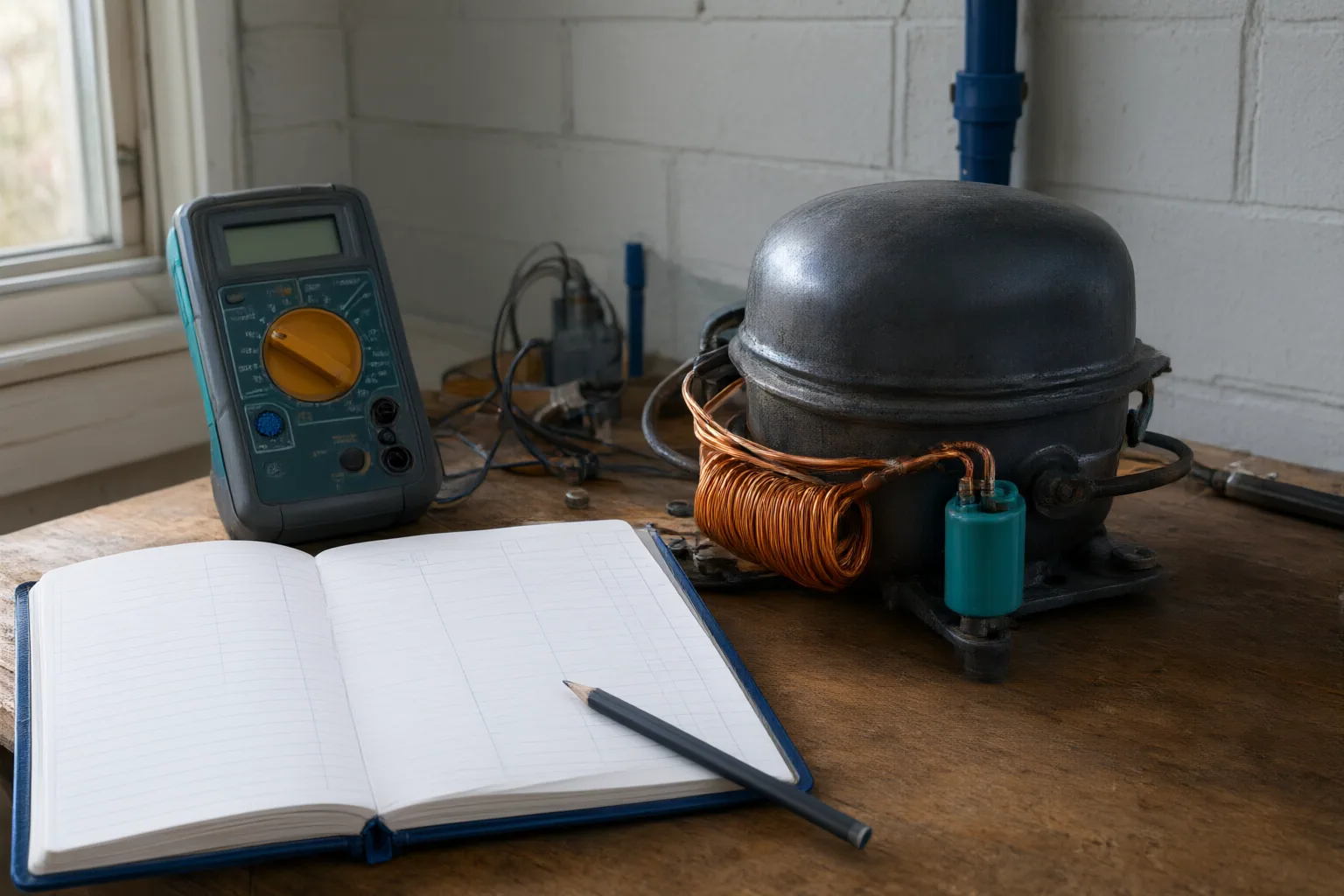
Build a detailed record of each household appliance
Start with a room-by-room list and give every appliance its own entry. A practical template can include:
- appliance category;
- brand, model number or another identifying description, when available;
- size, fuel type or relevant features shown on the appliance or retained product information;
- condition and any visible damage;
- acquisition date, if known;
- the date the entry was created or updated; and
- clear photographs of the appliance, identification label and visible damage, where practical.
This structure reflects the variety shown in the sources. The directory says scratch-and-dent stores typically carry refrigerators, washers, dryers, stoves, ranges and dishwashers. The San Jose store page contains model-specific descriptions of ranges and refrigerators, including characteristics such as size, fuel type and features. These distinctions support recording each item separately, but they do not reveal its energy performance.
The directory also advises shoppers to measure spaces and doorways, inspect every side, test functions when possible, photograph damage and confirm warranty terms. Those shopping checks should not be presented as electricity findings. They do, however, illustrate the value of preserving observable details and photographs while information is available. Keep unknown fields marked as unknown instead of guessing. When an appliance is replaced, retain the old entry and add an end date rather than overwriting the earlier record.
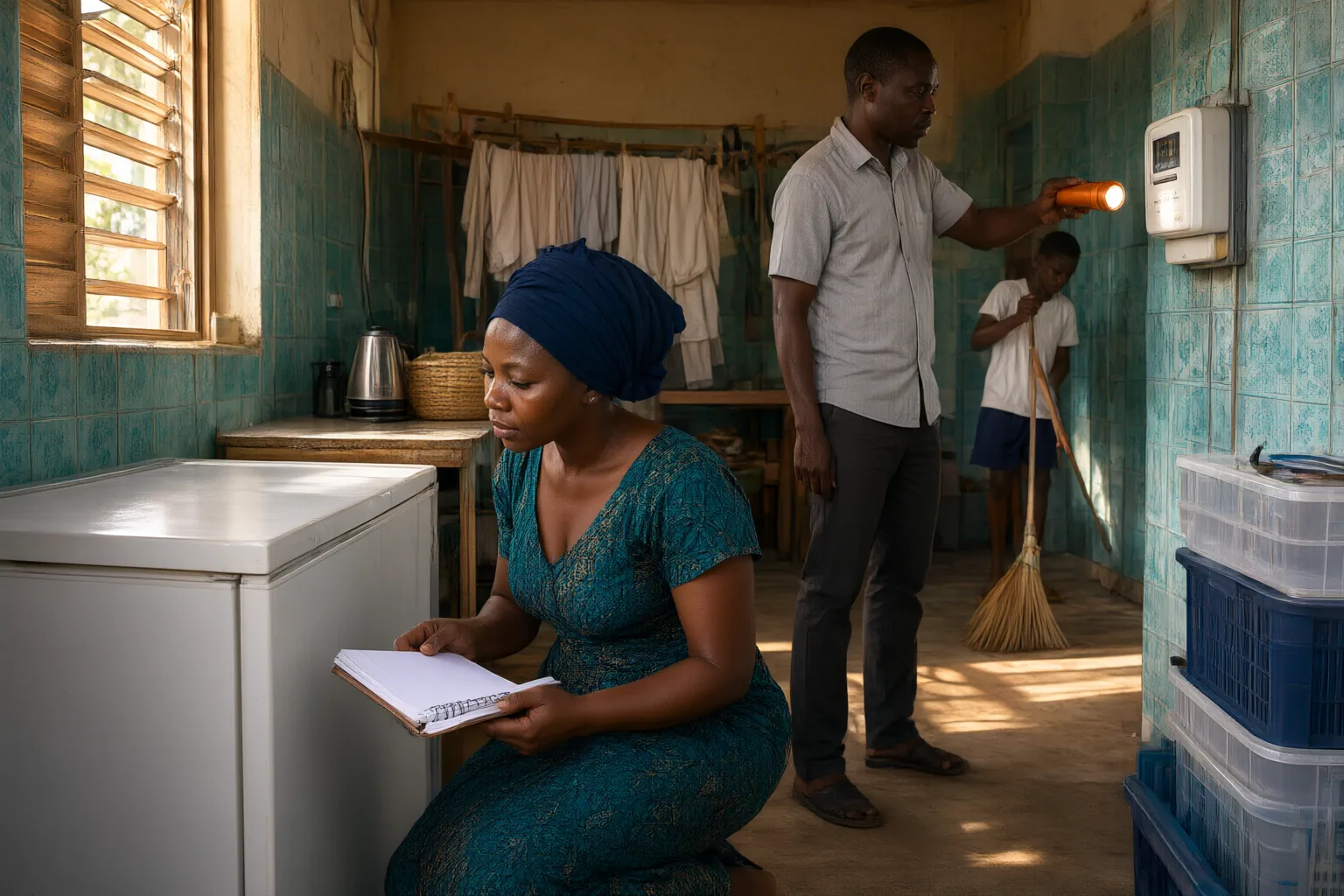
Use the inventory when household consumption changes
When consumption changes unexpectedly, compare the latest dated inventory with the preceding version. Check systematically whether an appliance was added, removed or replaced, whether recorded features changed, or whether new condition notes appeared. Also review whether a previously undocumented appliance was discovered. This comparison creates a short list of household changes that may deserve separate investigation.
Contemporaneous records are preferable to reconstruction from memory. The scratch-and-dent directory says store inventory changes frequently and recommends asking when new shipments arrive. That retail observation does not describe Nigerian households, but it supports the narrower recordkeeping point that product availability can change and that exact details may be difficult to recover later. Dated entries and photographs preserve what was actually recorded at each stage.
Keep the conclusion proportional to the evidence. If a replacement date is close to a consumption change, record the timing as a lead—not proof of causation. The supplied sources contain no measurements linking a model, feature or appliance condition to electricity consumption. They also contain no procedure for analysing a Nigerian meter or bill. The inventory can organise questions and identify gaps in the household record; any conclusion about electricity use requires evidence beyond these sources.
Conclusion
A household appliance inventory is most valuable as a disciplined, dated record. The cited sources show that appliances span multiple categories and can have model-specific descriptions, features and conditions. They also show why photographs and timely documentation can preserve details that may otherwise become difficult to reconstruct.
Those sources do not establish Nigerian consumption norms, appliance wattages, tariff impacts, metering practices or causal links between an appliance and an electricity change. The inventory must therefore remain an organisational tool rather than a substitute for evidence about actual electricity use.
Create the first room-by-room record now. Date it, list each appliance separately, capture model or identifying details, note its condition and add photographs where practical. Preserve later versions so that household changes can be compared without treating the inventory alone as proof of what caused a change in electricity consumption.
Disclosures and limitations
- This article was prepared with AI assistance from the supplied research package. Its factual support comes from US appliance-retail materials, not Nigerian electricity-consumption research; the inventory workflow is clearly presented as editorial guidance.
- No products are recommended and no affiliate relationship is represented. The cited sources do not support claims about Nigerian prices, availability, warranties, appliance wattage, tariffs, meters or household electricity-use causation.
Related reading
- Data & Reports for Nigeria’s Electricity Sector
- How Nigerian Electricity Consumers Can Log Supply Interruptions for Service-Quality Comparisons
- How to Interpret Daily Generation, Energy Sent Out, and Peak Demand Figures in Nigerian Power-Sector Reports
Sources
- Home Appliances — SAN JOSE APPLIANCE STORE
- Scratch and Dent Appliances in Santa Clara, CA — 3 Stores — Scratch & Dent Appliance Directory