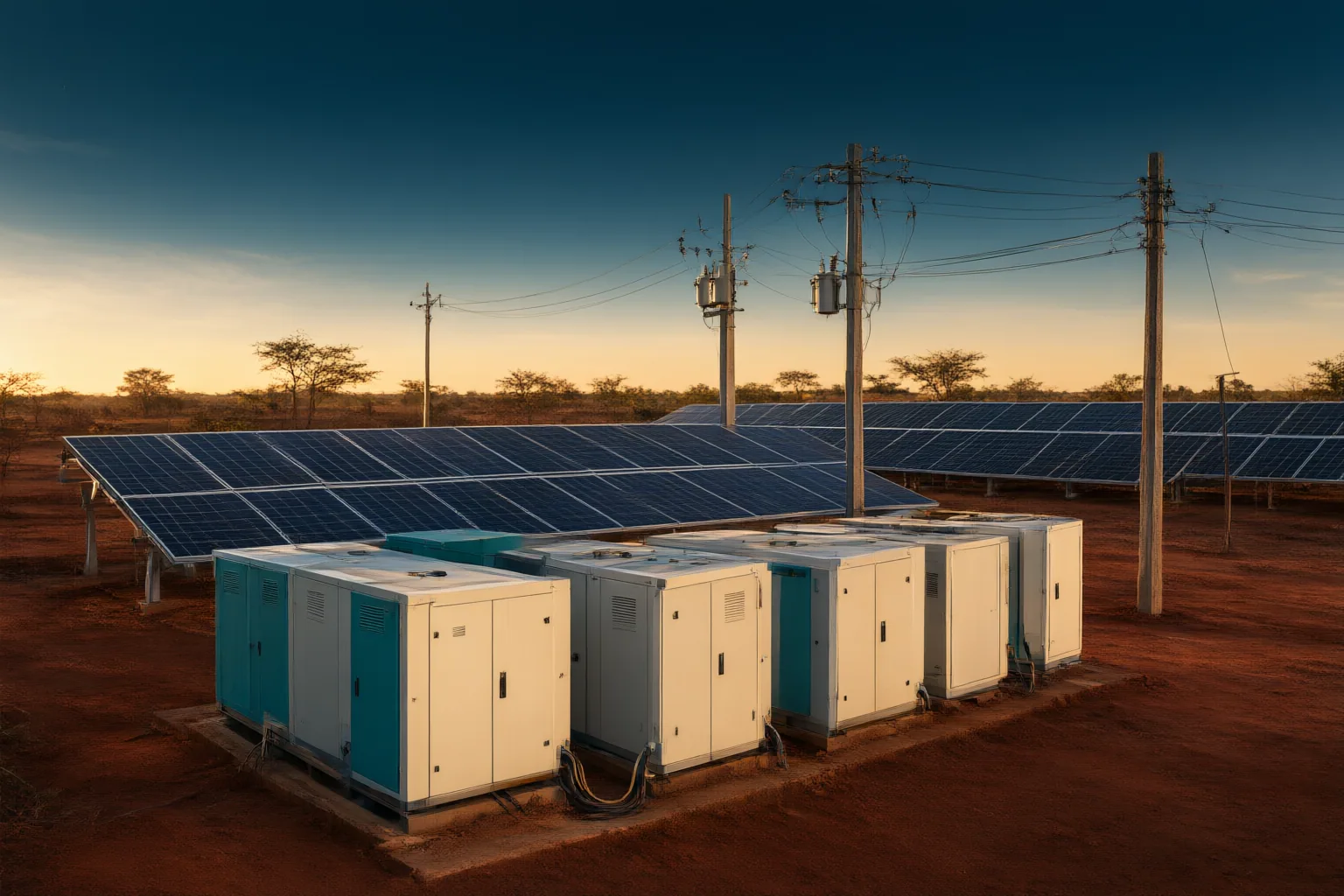
Nigeria can support distributed renewable energy by combining grid upgrades with coordinated mini-grid development, reliable demand and loss data, continuous project monitoring, clear regulatory treatment, viable financing and sustainable operations. These measures must work together: infrastructure alone cannot resolve weak planning visibility, uncertain project conditions or long-term maintenance needs.
Why Distributed Renewable Integration Requires Coordinated Measures
Distributed renewable energy integration is not solely a question of installing generation technology. It requires coordinated decisions about electricity networks, demand, regulation, financing, monitoring and long-term operation. Energy for Growth Hub identifies grid investment and the integration of mini-grids into distribution-company networks as practical priorities, particularly where existing service is inadequate. INTEGRATION similarly presents decentralized renewable infrastructure alongside digital planning, monitoring, viable business models and sustainable operation and maintenance.
This combined approach matters because weaknesses in one area can undermine progress elsewhere. Renewable installations may face integration difficulties if networks are not prepared for intermittent generation. Projects may also be poorly targeted when decision-makers lack reliable information about customer demand, available electricity and system losses. Meanwhile, mini-grid development depends on workable policy, regulatory and financing conditions as well as arrangements for monitoring and continued operation.
The practical answer is therefore a portfolio of mutually reinforcing measures: prepare networks, coordinate centralized and decentralized systems, improve planning data, establish workable project rules and ensure that assets can be operated and maintained over time.
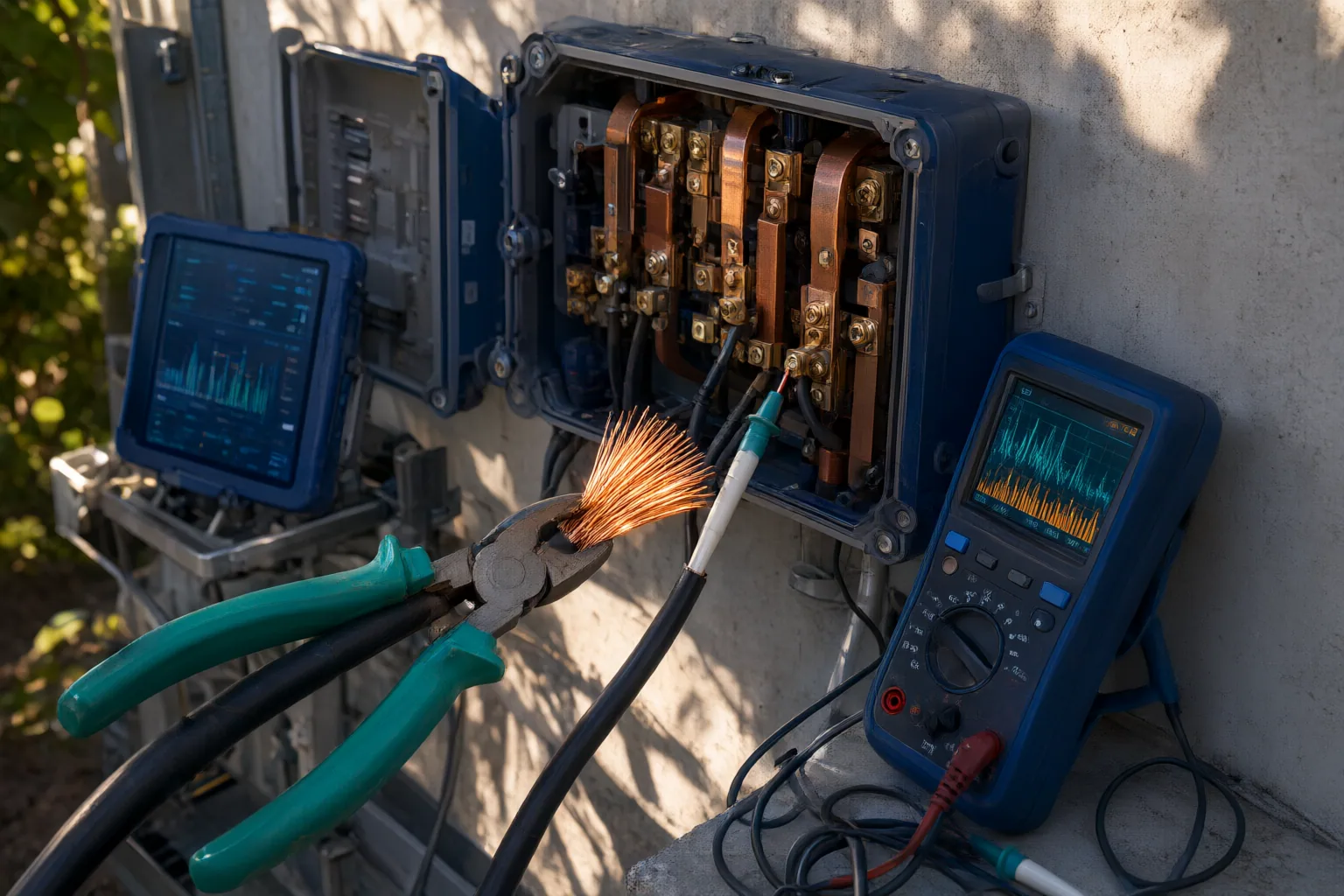
Grid Infrastructure and Mini-Grid Coordination
Grid readiness begins with infrastructure capable of accommodating intermittent renewable generation. Energy for Growth Hub recommends investment in grid infrastructure for this purpose. In practice, grid capability should be considered at the planning stage of a distributed renewable proposal, rather than treated as a separate issue after generation assets have been selected.
Mini-grids also need a defined relationship with the wider electricity system. Energy for Growth Hub recommends integrating mini-grids into distribution-company networks serving underserved areas. This points to the need for coordination between mini-grid developers and distribution companies over where projects are located, how they serve local demand and how they relate to existing or expanding networks. Such coordination can help planners treat mini-grids as part of the electricity-service landscape rather than as isolated installations.
Decentralized infrastructure must also remain functional after construction. INTEGRATION identifies sustainable operation and maintenance and viable business models as elements of equitable energy access. Grid or mini-grid plans should therefore explain who will operate the assets, how maintenance will be organized and how the operating model will remain viable. A technically suitable installation without a sustainable operating arrangement would leave a major integration requirement unresolved.
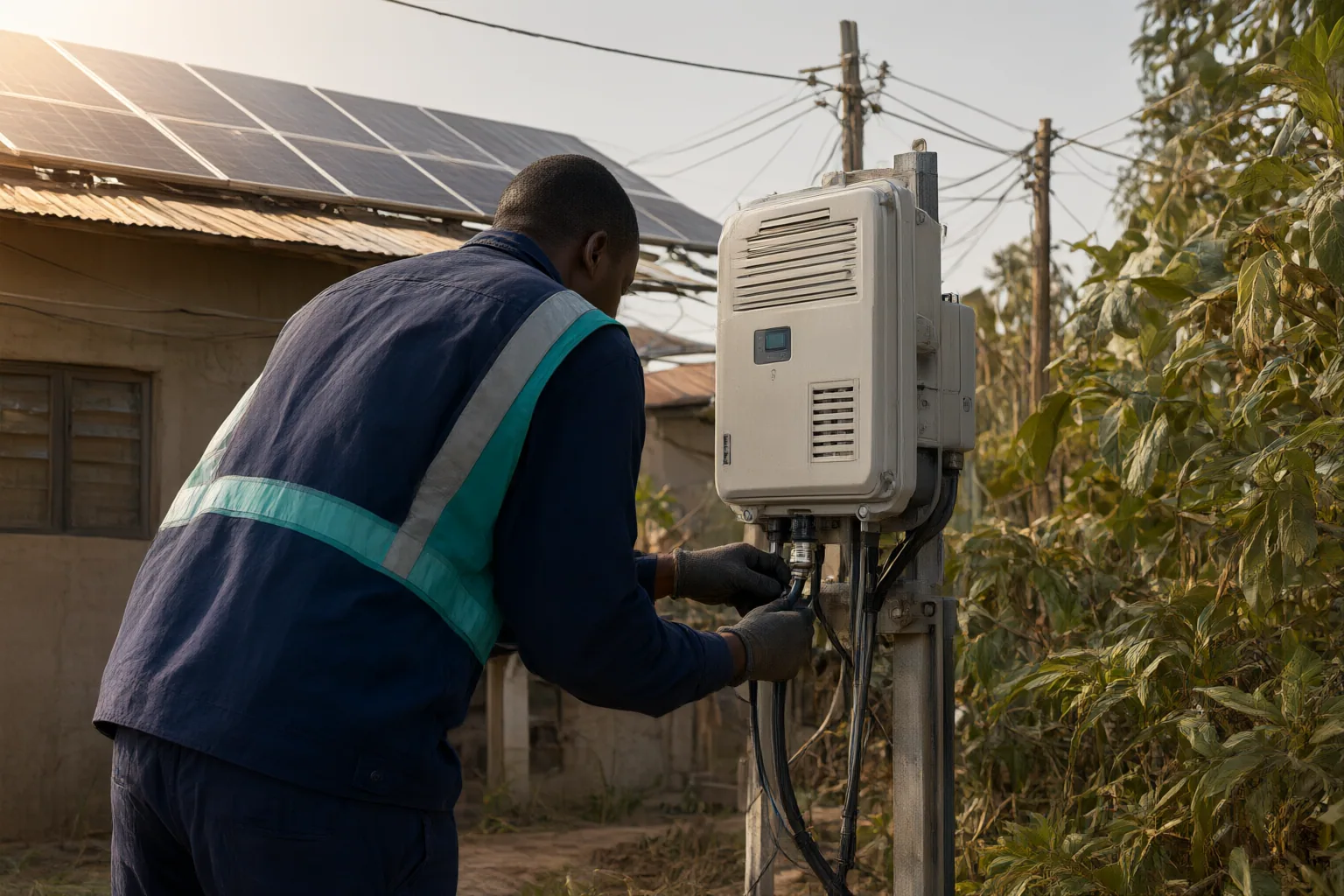
Data, Monitoring and Regulatory Conditions
Reliable data should connect investment decisions to actual electricity needs. Energy for Growth Hub recommends demand studies and data analysis to guide power allocation and investment priorities. It also links analysis to efforts to reduce technical, commercial and collection losses. Together, these uses of data can help decision-makers examine where electricity is needed, how much power may be allocated and where losses weaken system performance.
Planning should continue after a project is approved. INTEGRATION highlights digital planning and monitoring tools, while its description of the Nigerian Energy Support Programme II includes project monitoring and work with Nigerian authorities to improve the regulatory framework. Monitoring can provide an ongoing view of project implementation and operation instead of leaving decisions dependent only on initial forecasts. A credible proposal should identify what will be monitored and how the resulting information will inform operations or future investment.
Regulation shapes whether privately led mini-grids can move from proposals to sustainable services. INTEGRATION says the programme sought improvements in policy, regulation and access to finance for such projects. The cited overview of the Nigerian Electricity Regulatory Commission says NERC licenses operators, sets and reviews tariffs, protects consumer interests, and regulates electricity generation, transmission, distribution and marketing. These responsibilities place licensing, tariff treatment and consumer protection within the integration framework.
The measures are connected. Demand evidence can support investment prioritization; monitoring can show whether implementation is progressing; and clear licensing and tariff arrangements can give projects a defined regulatory pathway. Access to finance and viable business models then affect whether developers can build and sustain the required infrastructure. No single dataset or regulatory decision substitutes for this wider system of planning, oversight and operational accountability.
Conclusion
A practical framework for distributed renewable energy integration in Nigeria has five connected tests. First, determine whether the relevant network can accommodate intermittent generation and whether the mini-grid’s relationship with the distribution network is defined. Second, check that demand, available-power and loss information supports the proposed allocation and investment. Third, require continuing project monitoring. Fourth, identify the licensing, tariff, consumer-protection and financing pathway. Fifth, confirm that the business model, operation and maintenance arrangements are sustainable.
These checks do not prescribe a single project design. They provide a disciplined way to examine whether infrastructure, evidence, oversight and long-term delivery have been considered together. When assessing a renewable-energy project or policy proposal, apply this framework and ask for clear evidence of grid readiness, demand analysis, monitoring arrangements, regulatory treatment, financing and sustainable operation.
Disclosures and limitations
- This article was prepared with AI assistance using only the supplied research package and its attributed sources; claims were synthesized and rewritten within those evidence limits.
- No products are recommended and no affiliate relationship is represented in this article.
Related reading
- Data & Reports for Nigeria’s Electricity Sector
- Nigeria Electricity Customer Service Standards: What the Available Evidence Shows
- Nigeria Meter Reading and Billing Verification: What Consumers Can Check
Sources
- Nigerian Electricity Regulatory Commission – Wikipedia — en.wikipedia.org
- Expanding Energy Access Through Natural Resources — linkedin.com
- Five Electricity Policy Priorities for Nigeria – Energy for Growth Hub — Energy for Growth Hub
- Nigerian Electricity Regulatory Commission (NERC) — YouTube
- Portfolio — dcg.co
- INTEGRATION Consulting Group | Environment & Energy — integration.org
- Nigeria Atomic Energy Commission – Wikipedia — en.wikipedia.org