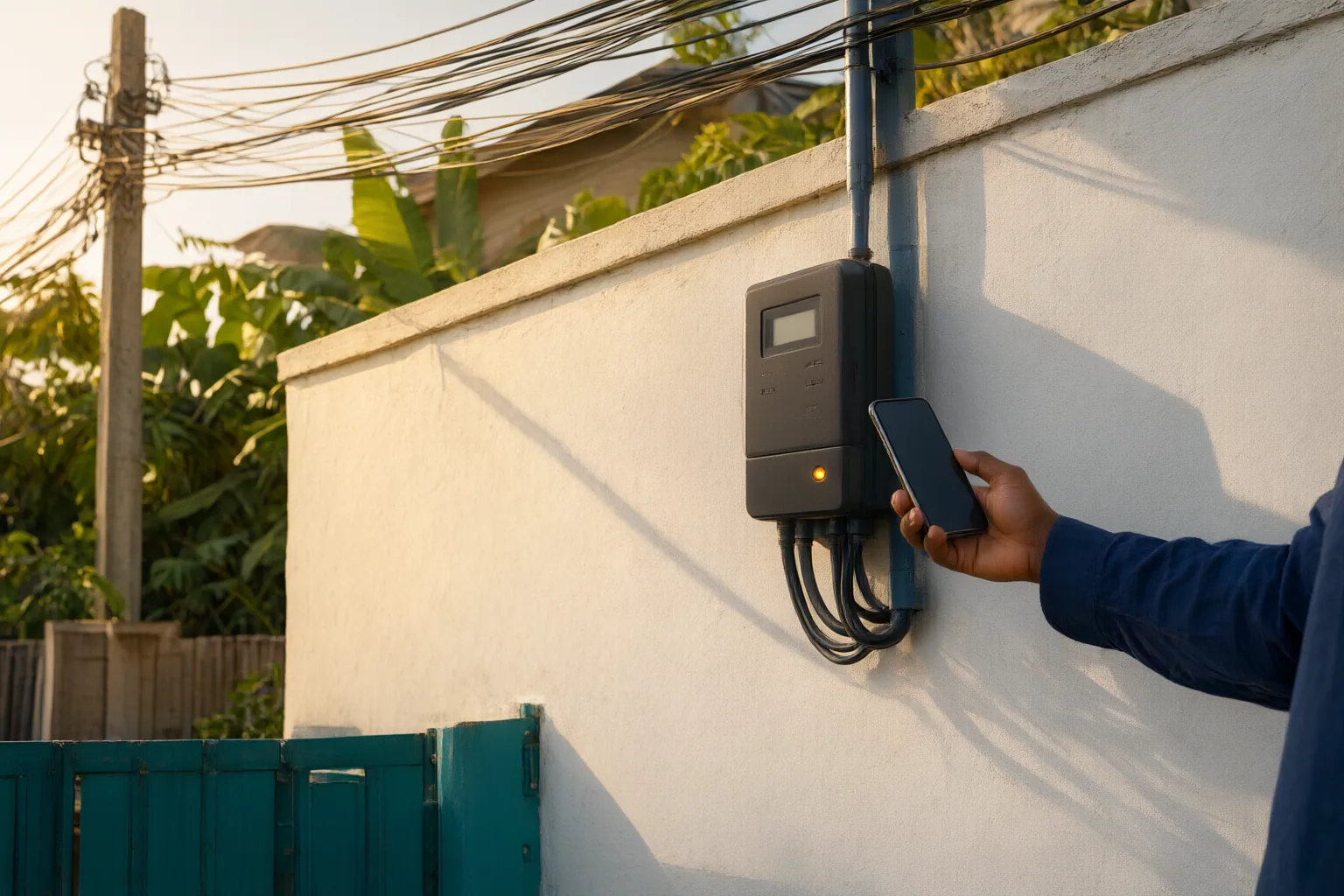
Before changing the customer account, document the opening meter reading and tenancy start date, identify every meter and account number linked to the property, and ask the distribution company in writing to separate any balance incurred by an earlier occupant.
What to verify before changing the electricity account
Start by recording the meter reading when you take possession. Keep a dated photograph and retain evidence showing when your occupancy began, such as the tenancy agreement or deed. These records help distinguish electricity used during your tenancy from charges attributed to an earlier period.
Next, compare the number on the installed meter with the customer and meter account details associated with any alleged balance. Do not assume that a debt relates to the current meter simply because the distribution company associates it with the address. A reported dispute at Odukoya Estate involved debts linked to three meter accounts that residents said differed from their current prepaid meters. This illustrates why the account trail matters: a property address, meter number, customer account and debt record may not necessarily point to the same period or occupant.
Before requesting an account change, ask the distribution company to identify the account that generated the balance, the meter attached to it and the period in which it arose. The supplied sources state that responsibility for prior consumption rests with the customer who incurred it, rather than a new occupant. However, the research package does not include the primary regulatory text, so that proposition should be checked against applicable official NERC rules before being treated as definitive legal guidance.
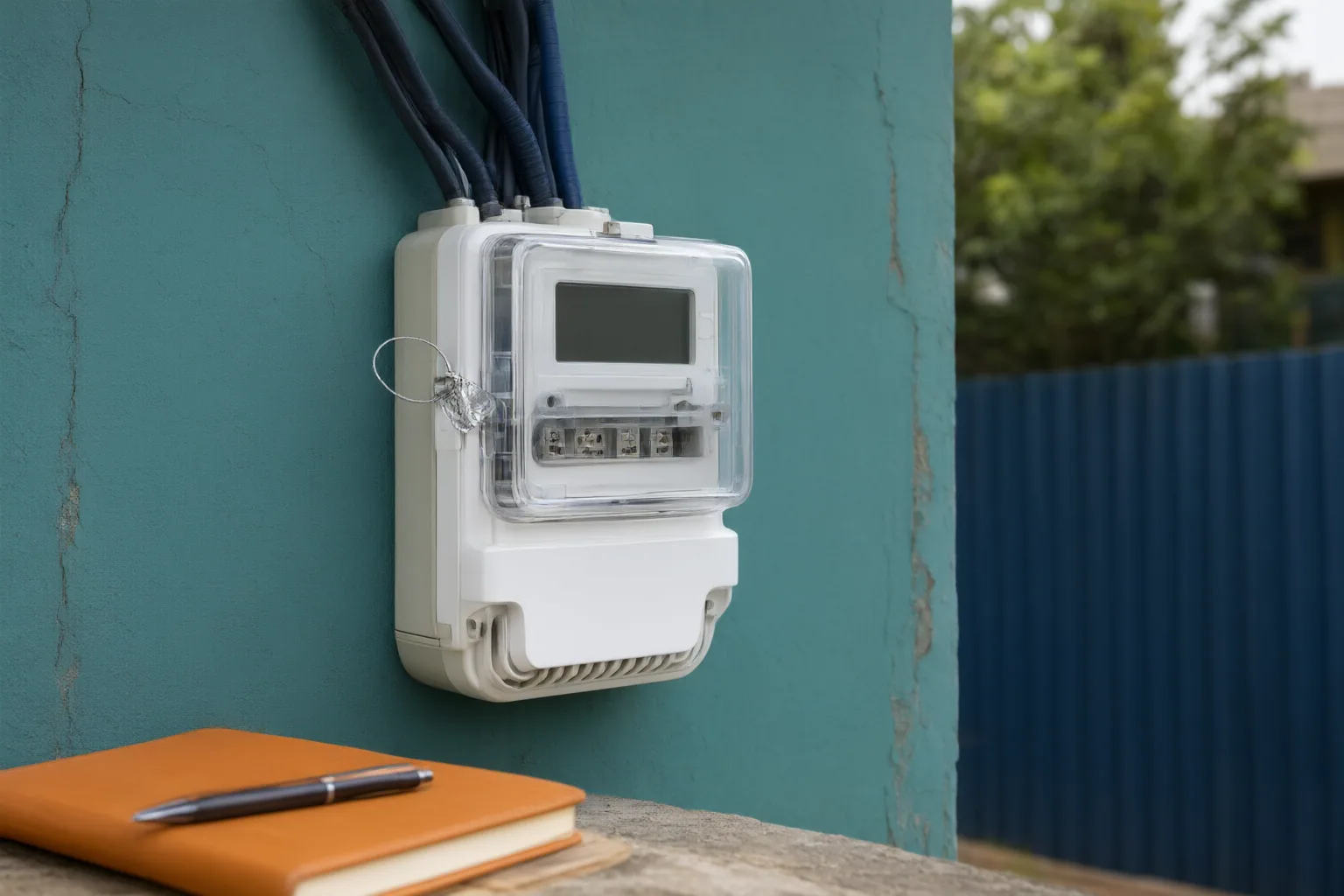
How to document and dispute a previous occupant’s debt
Guidance published in a law firm’s LinkedIn post recommends notifying the distribution company in writing when possession begins. The notice should include the opening meter reading and evidence of the occupancy date, such as a tenancy agreement or deed. Keep a copy of the submission so there is a dated record of what was reported.
If the company identifies an earlier balance, request an account-level explanation and state that the amount should not be placed on the new customer’s account. Ask the company to distinguish the old customer, old meter account and consumption period from the new tenancy. If deductions appear when credit is loaded onto a prepaid meter, the same source recommends requesting removal of any old-debt flag connected to the new account.
A practical written request can therefore ask the company to confirm: the meter and customer account that created the debt; whether those details match the installed meter; the period covered by the balance; and whether an old-debt flag is causing prepaid-credit deductions. Attach only the documents needed to establish when occupancy began and retain the originals. This is attributed preventive and escalation guidance from the supplied source, not independent legal advice or an official distribution-company procedure.
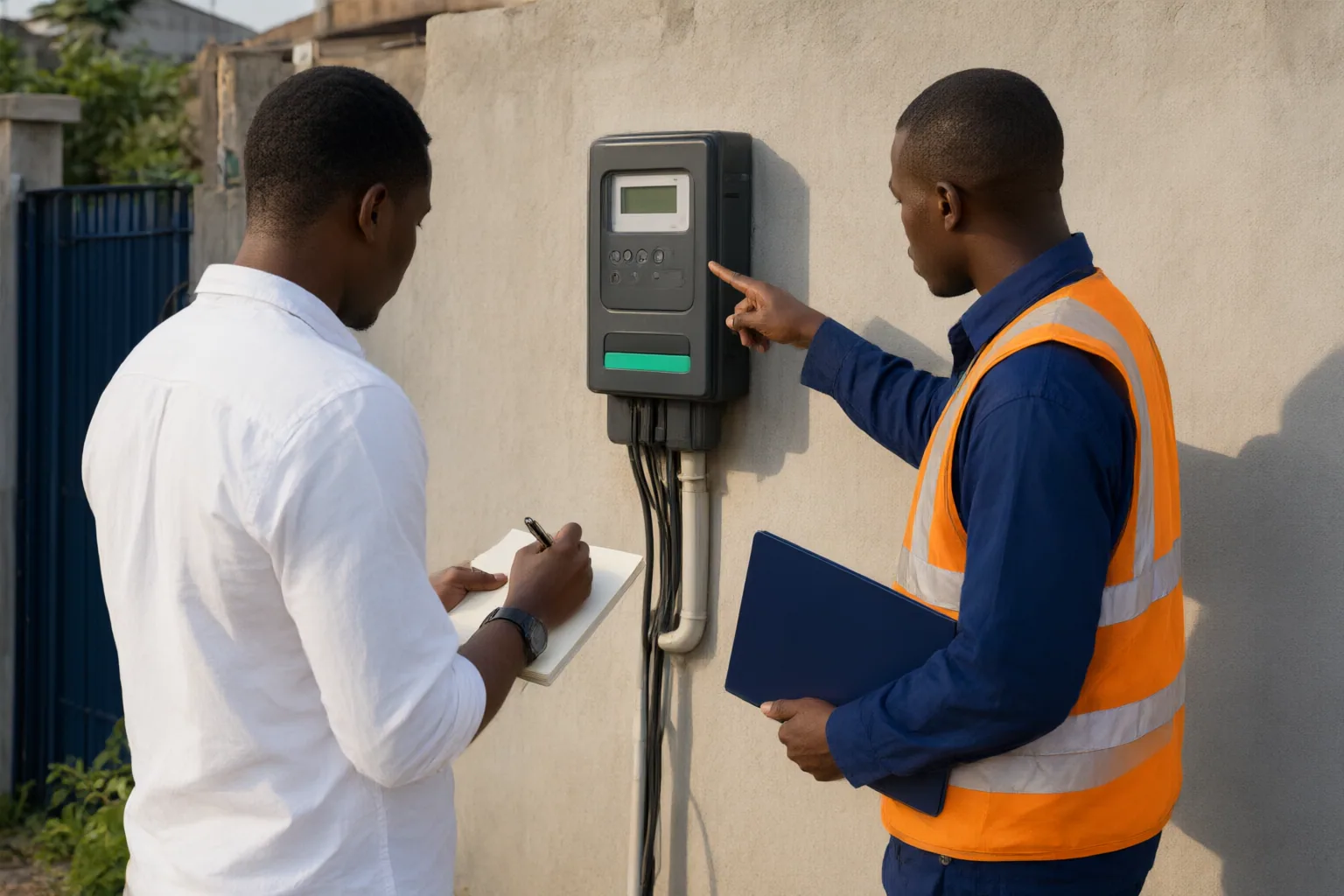
What to do when records conflict or supply is disconnected
Conflicting records can turn an account change into a prolonged dispute. Energy News Africa reported that Odukoya Estate residents challenged debts totaling N2,175,662 linked to three meter accounts that differed from their current prepaid meters. According to the report, residents said their electricity was disconnected from 6 November to 12 November 2025. The report also said the tenants paid N200,000 before supply was restored, while continuing to maintain that the debt was not theirs.
That case is an account of residents’ allegations and reported responses, not a final regulatory or judicial finding. It nevertheless shows the pressure occupants may face when supply is disconnected before responsibility for a balance has been resolved. It also demonstrates why verbal explanations are insufficient when account numbers do not match.
When records conflict, continue requesting a written account-level explanation rather than relying only on telephone calls or referrals between offices. Preserve notices, replies, payment records, meter details and evidence of any prepaid-credit deductions. If payment is made while responsibility remains disputed, keep evidence of the amount and the circumstances described in the correspondence. The supplied materials do not establish an official escalation route, deadline or remedy, so those procedural details should be verified through applicable official NERC rules and the relevant distribution company’s official process.
Conclusion
The central task is to separate the person, meter account and consumption period that produced an earlier balance from the incoming tenant’s occupancy. Both supplied sources state that liability belongs to the customer who incurred the consumption, but neither provides the primary NERC regulation or a complete official distribution-company procedure. Treat that legal proposition as requiring confirmation from the applicable official rules.
Before changing the customer account, photograph the dated meter reading, retain proof of when the tenancy began and send the distribution company a written request identifying the installed meter. Ask it to disclose the account and period behind any earlier balance, keep that balance off the new account, and address any old-debt deductions affecting prepaid credit. Preserve every response and verify regulatory details against applicable official NERC rules before relying on them in a dispute.
Disclosures and limitations
- This article was prepared with AI assistance solely from the supplied LinkedIn guidance and Energy News Africa report. It is general information, not legal advice; regulatory claims and procedures should be verified against applicable official NERC rules before publication or reliance.
Related reading
- Electricity Consumers in Nigeria
- How Nigerian Apartment Residents Can Address Unfair Shared-Meter Electricity Cost Allocation
- Nigeria’s 2026 Electricity Meter Rollout: What the Reported 60% Coverage Means for Consumers