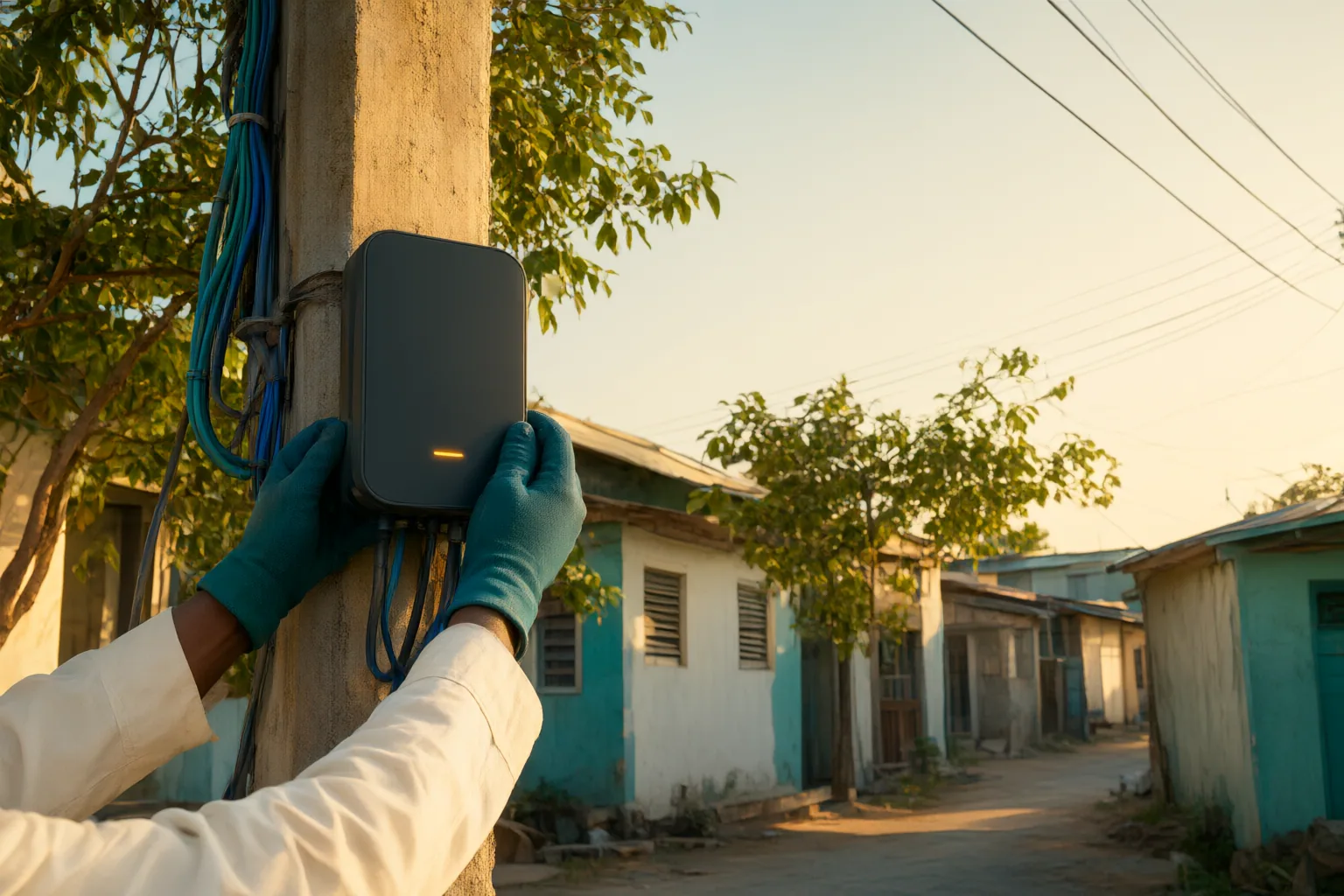
Nigeria’s government reported in August 2026 that roughly 60% of active electricity customers had been metered. The figure signals progress, but it does not show how coverage is distributed or identify when every remaining customer will receive a meter.
What Nigeria’s Reported 60% Meter Coverage Means
On 27 August 2026, the Federal Government reported that roughly 60% of Nigeria’s active electricity customers had been metered. A separate news publisher also carried the National Council on Privatisation announcement as saying that 60% of the electricity metering gap had been closed.
The wording and denominator matter. The official percentage refers to active electricity customers, not Nigeria’s total population, households or every possible electricity connection. The supplied sources do not state the current number of active customers used to calculate the percentage. They also do not provide coverage figures for individual states or electricity distribution companies.
Consumers should therefore read 60% as a national-level government update, not as proof that every community or customer category has experienced comparable progress. Without a distribution-company or state-level breakdown, the reported percentage cannot establish where the remaining need is concentrated. It also does not provide an individual customer with a date for installation. The separate publication supports that an announcement was made, while the detailed figures come from the Federal Government source.
Why the Metering Figures Must Be Kept Separate
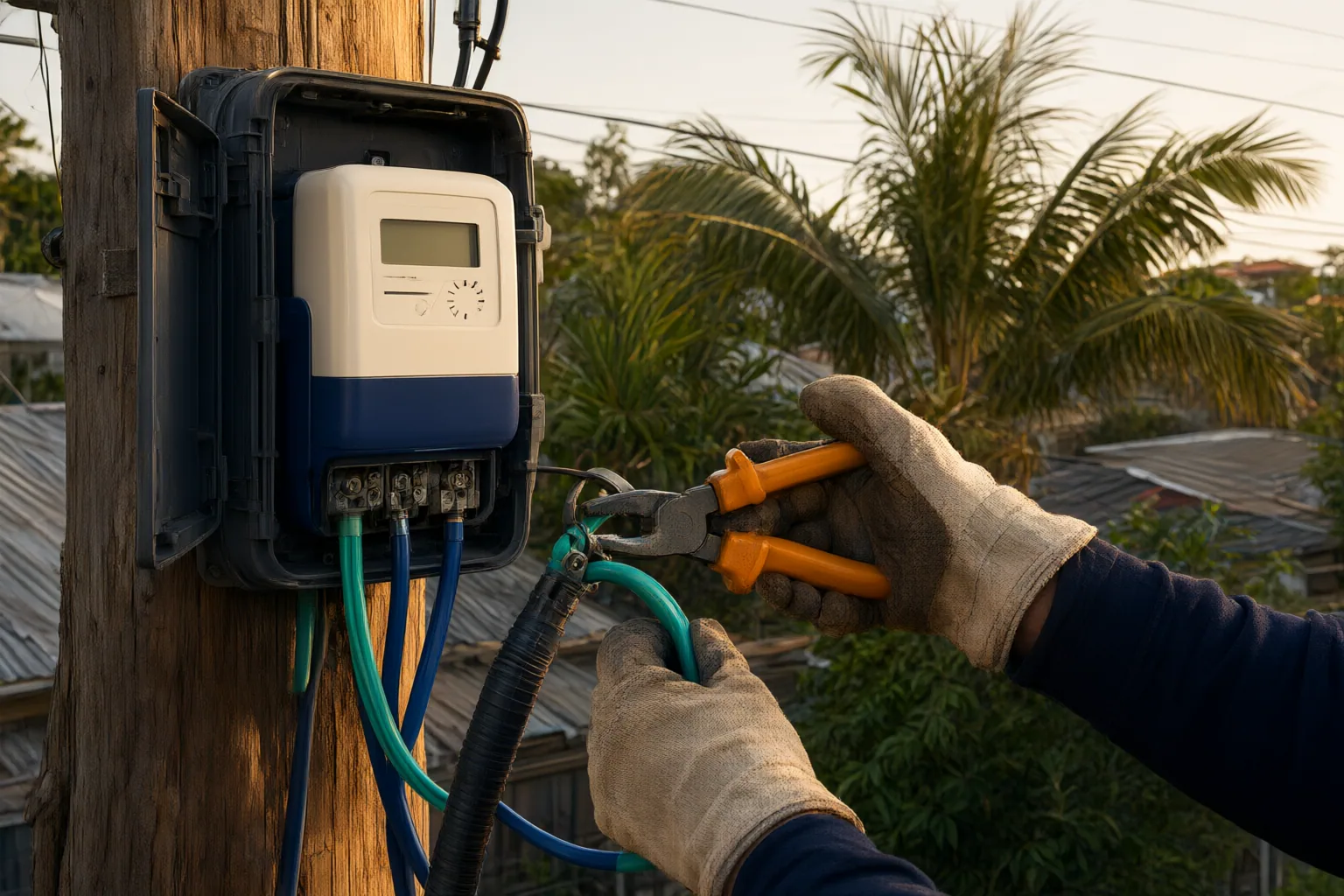
The same official update included figures for a particular programme: Phase 1 of the World Bank-financed Distribution Sector Recovery Programme. According to the government, 1,033,000 meters had been delivered under that phase, of which 668,000 had been deployed and installed.
Those programme figures are not another way of expressing the reported 60% national coverage. The coverage percentage uses active electricity customers as its denominator. The delivery and installation figures instead describe the status of meters supplied under one phase of a named programme. Combining the measures would blur the difference between national customer coverage, programme deliveries and completed installations.
The 668,000 figure also should not be presented as the total number of metered customers in Nigeria. It represents installations attributed to the specified programme phase, while the 60% statement concerns the wider population of active customers. Likewise, the difference between meters delivered and meters installed under that phase is not, by itself, a measure of the entire national metering gap.
A clear reading is therefore limited to three separate points: the government reported roughly 60% coverage among active customers; it reported 1,033,000 meters delivered under Phase 1; and it reported 668,000 of those meters deployed and installed. The sources do not supply enough granular data to convert these figures into a complete national or local rollout schedule.
What the Rollout Means for Consumers and Electricity-Sector Reform
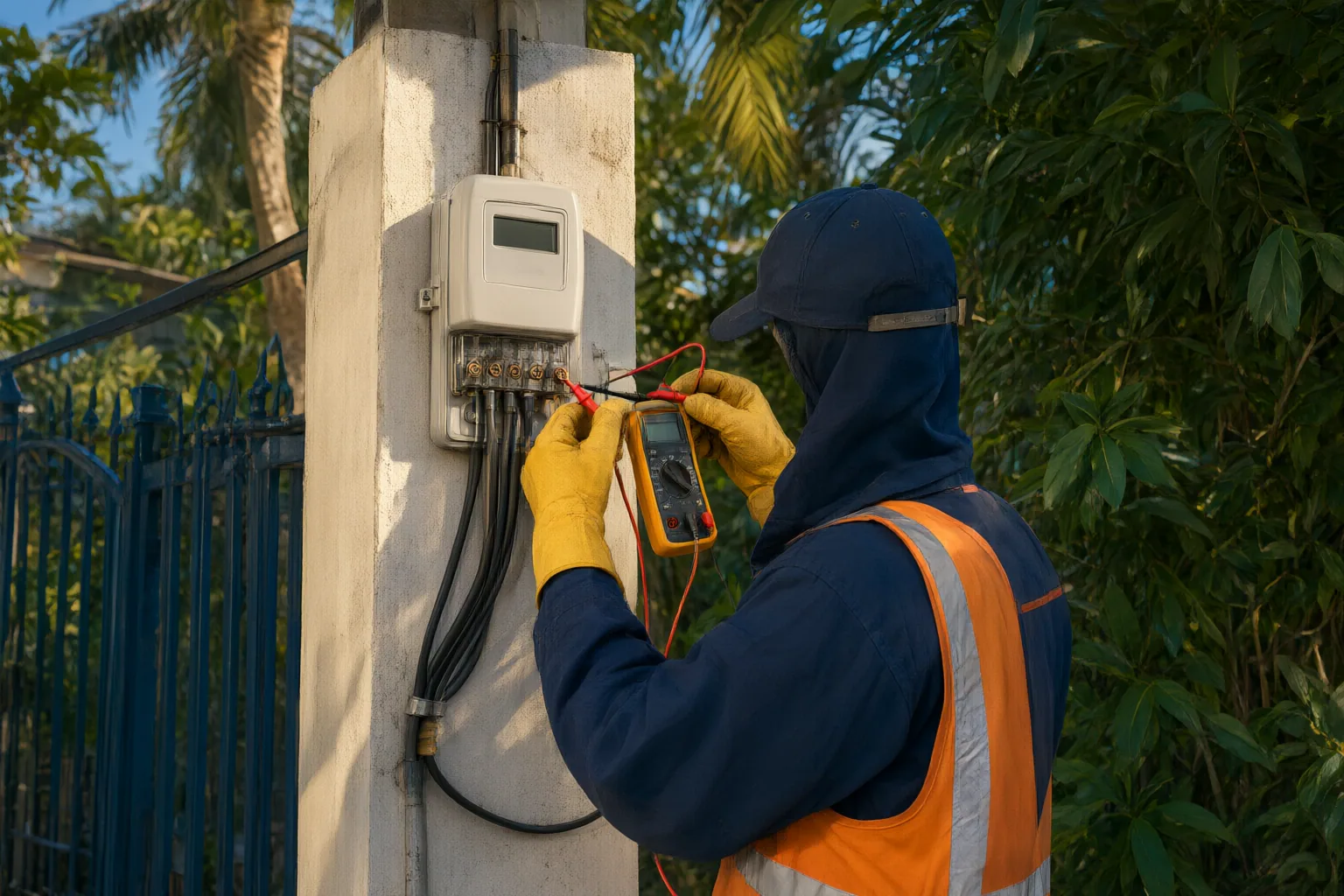
For consumers who remain unmetered, the central concern is continued exposure to estimated billing. The government linked its metering efforts—including the Presidential Metering Initiative and coordination by the Bureau of Public Enterprises—to closing the gap and eliminating arbitrary estimated bills for registered customers. The reported progress does not establish that this objective has already been achieved for all customers.
Metering also sits within a broader set of electricity-sector pressures. Separate energy-sector reporting placed the electricity subsidy for the first quarter of 2026 at N358.32 billion and said end-user tariffs remained at the rates established in July 2024. That reporting identified improved metering and collection as necessary alongside lower network losses, stronger transmission capacity, firm gas supply, efficient dispatch and tariff reform. It explicitly treated these needs as interdependent rather than presenting tariff changes or metering as a complete solution on their own.
Consumers should also distinguish the confirmed current figures from plans lacking detail in the supplied material. The reporting referred to a plan to phase out electricity subsidies from 2027, but the sources do not provide a detailed implementation timetable or explain the proposed protections for vulnerable customers. No specific consumer outcome should therefore be inferred from that plan beyond what has been reported.
The policy setting is also becoming more decentralised. The government said about 17 states had established state electricity regulatory commissions since April 2024 and that stakeholders were considering amendments intended to refine implementation of the Electricity Act. The supplied sources do not connect those developments to a state-by-state meter allocation or installation schedule.
Conclusion
The reported 60% coverage indicates government-reported progress in metering active electricity customers, but it does not reveal the total customer count behind the calculation, the geographic distribution of coverage or a timetable for closing the remaining gap. The separate delivery and installation totals describe Phase 1 of the Distribution Sector Recovery Programme and should not be substituted for the national coverage measure.
Metering may reduce exposure to arbitrary estimated billing and support better collection, but the supplied reporting places it among several connected sector reforms. Questions also remain about the reported subsidy phase-out plan, including timing and protections for vulnerable consumers.
Check whether your electricity account is recorded as metered, retain copies of bills and meter-related correspondence, and ask your electricity distributor for clarification if your account remains on estimated billing.
Disclosures and limitations
- This article was prepared with AI assistance using only the supplied Federal Government and news-reporting research sources; material claims are attributed through the listed source IDs.
- This is an explanatory article and contains no product recommendations or disclosed affiliate offers.
Related reading
- Electricity Consumers in Nigeria
- What Akwa Ibom’s Electricity Regulatory Transfer Means for Tariffs, Complaints and PHEDC Customers
- What Evidence Should Nigerian Electricity Consumers Gather Before Escalating a Suspected Meter Fault or Billing Dispute?
Sources
- Nigeria: Electricity Subsidy Bill Hits N1.92trn in 2025 – NERC — allAfrica.com
- Document Search List | Policy Registry — policyregistry.org
- Gov Aiyedatiwa assents to new Ondo Power Sector Bill — Worldstage News
- Aiyedatiwa signs new Ondo electricity power sector law — Punch Newspapers
- NCP Announces Closure of Up to 60% of Electricity Metering Gap – Federal Ministry of Information and National Orientation — Federal Ministry of Information and National Orientation
- Nigeria electricity subsidy reaches N358bn in a quarter as removal moves to 2027 — Energy News Network
- Edo takes control of electricity market, begins next phase — The Sun Nigeria
- Nigeria: NCP announces closure of 60% of electricity metering gap as Shettima receives briefing on Privatisation Council’s — Worldstage News