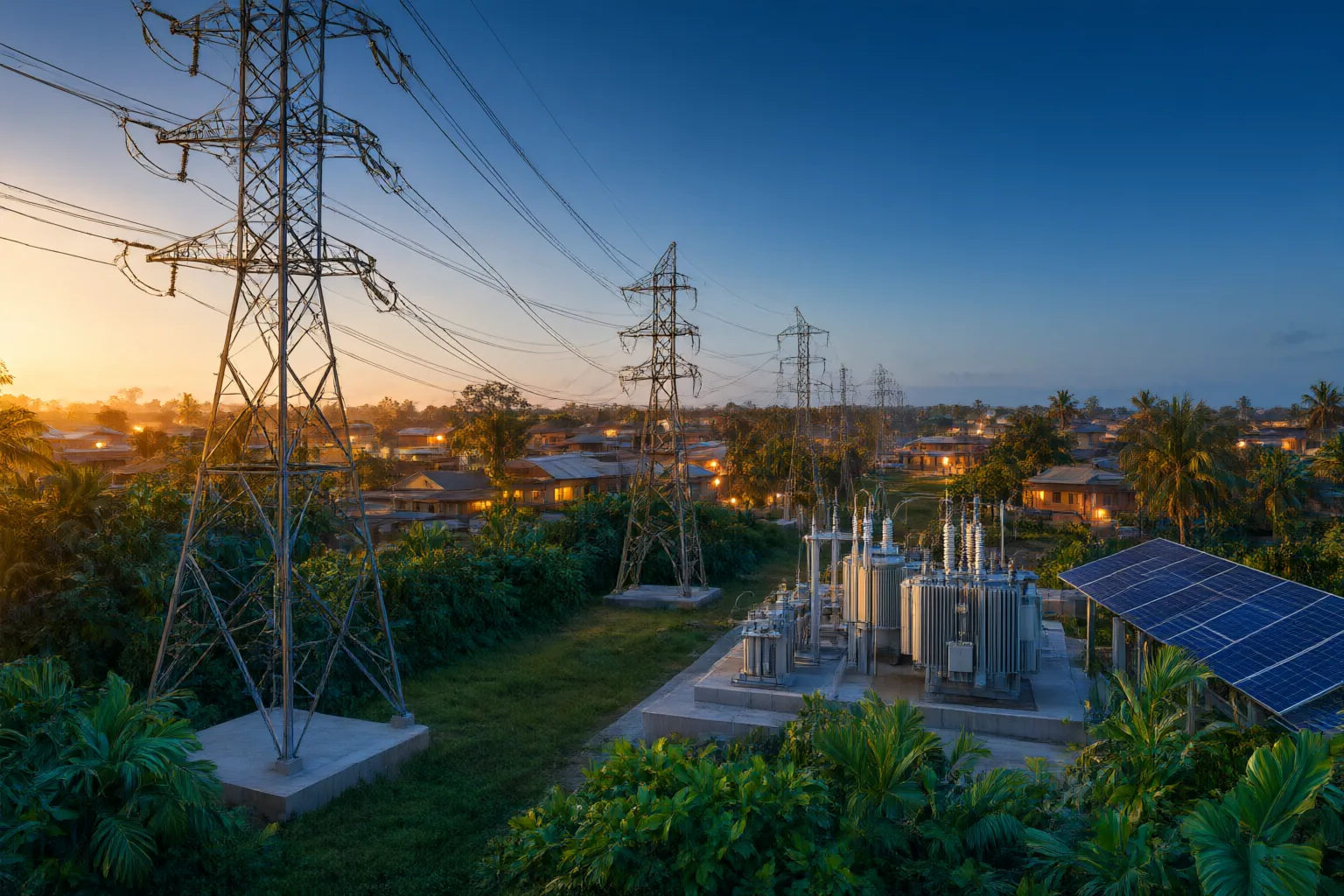
Akwa Ibom State Electricity Regulatory Commission is taking responsibility for intrastate tariffs, customer complaints and consumer protection, while NERC retains authority over interstate and international electricity activities. The transition began on August 18, 2026, and is scheduled for completion by February 17, 2027.
What changed in Akwa Ibom’s electricity regulation
Regulatory responsibility for Akwa Ibom’s intrastate electricity market is moving from the Nigerian Electricity Regulatory Commission, or NERC, to the Akwa Ibom State Electricity Regulatory Commission, known as AKSERC. The transfer order took effect on August 18, 2026, but the required transfers are scheduled to be completed by February 17, 2027.
The change divides oversight according to the geographic scope of an electricity activity. AKSERC is taking responsibility for matters within Akwa Ibom, including the state’s end-user tariff methodology, customer complaints, dispute resolution and consumer protection. NERC continues to regulate interstate and international electricity activities, including cross-border generation, transmission, supply, trading and system operations.
The effective date and completion deadline should not be treated as the same milestone. August 18 established the transfer, while the period through February 17, 2027, allows the required regulatory and distribution arrangements to be completed. Customers may therefore encounter a staged transition rather than a single immediate change to every process.
The supplied reports describe the transfer but do not contain the full text of NERC Order NERC/2026/087. Exact procedures and implementation details should be confirmed against the primary order and subsequent official notices before publication or action.
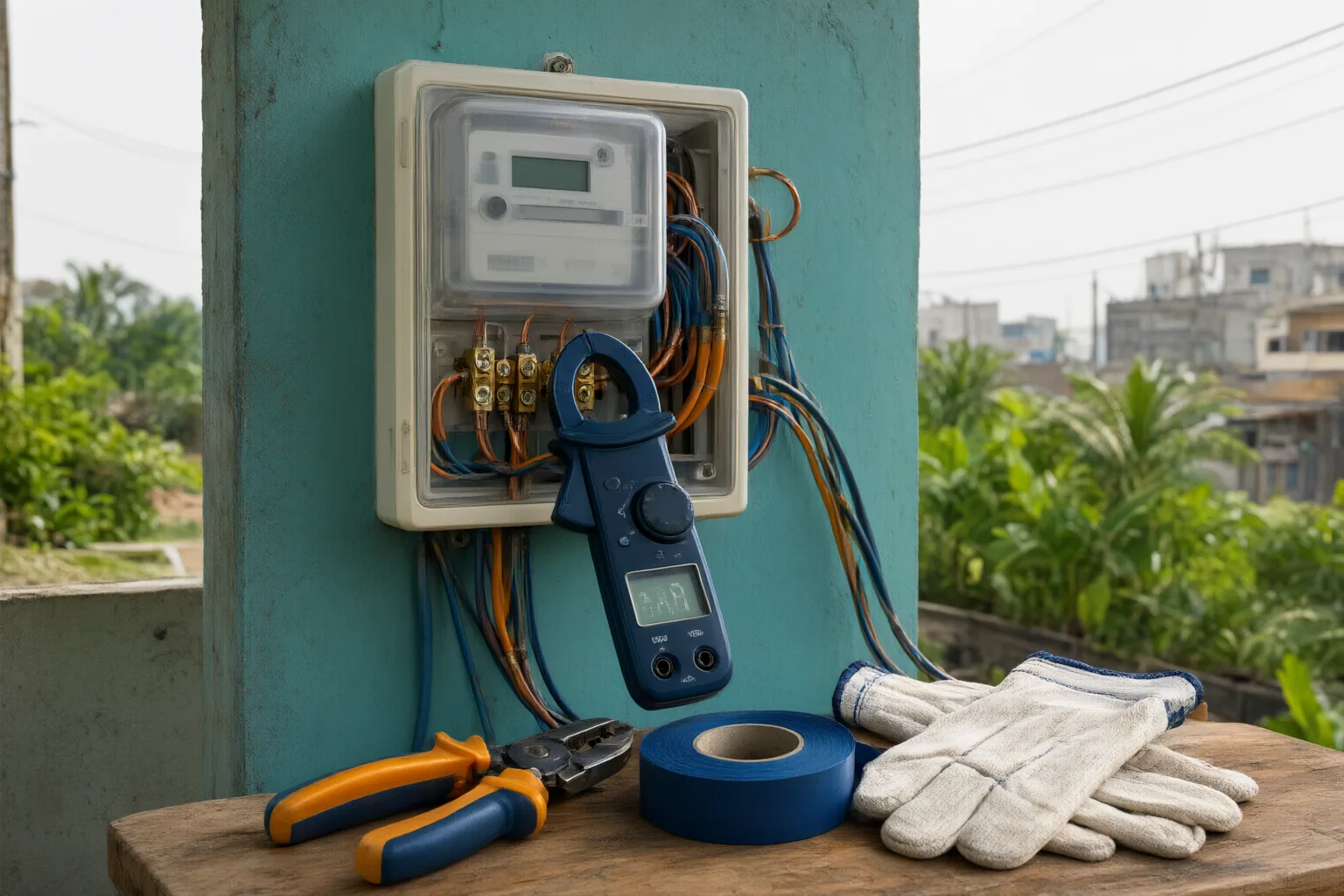
What the transfer means for tariffs and the transition timeline
AKSERC is to determine the end-user tariff methodology within its jurisdiction. This gives the state regulator responsibility for the framework used to determine tariffs for intrastate electricity services in Akwa Ibom. It does not, by itself, establish that a new tariff has already been announced or that customers’ bills changed automatically on August 18.
Customers should distinguish between regulatory authority and an actual tariff decision. The transfer identifies the commission responsible for the state tariff methodology; any specific tariff change would still need to be communicated through an applicable decision or official notice. The research materials provide no confirmed new rate, implementation date or customer category.
Operational changes may occur in stages because the transfer process runs until February 17, 2027. Another important deadline concerns Port Harcourt Electricity Distribution Company, or PHEDC: it was directed to incorporate an Akwa Ibom subsidiary within 60 days from August 18, 2026. That company must then obtain an AKSERC licence for intrastate electricity supply and distribution.
Until official notices confirm particular changes, customers should avoid assuming that the transfer alone alters an existing bill, payment process or tariff immediately. AKSERC, NERC and PHEDC notices are the relevant sources for confirmed implementation steps.
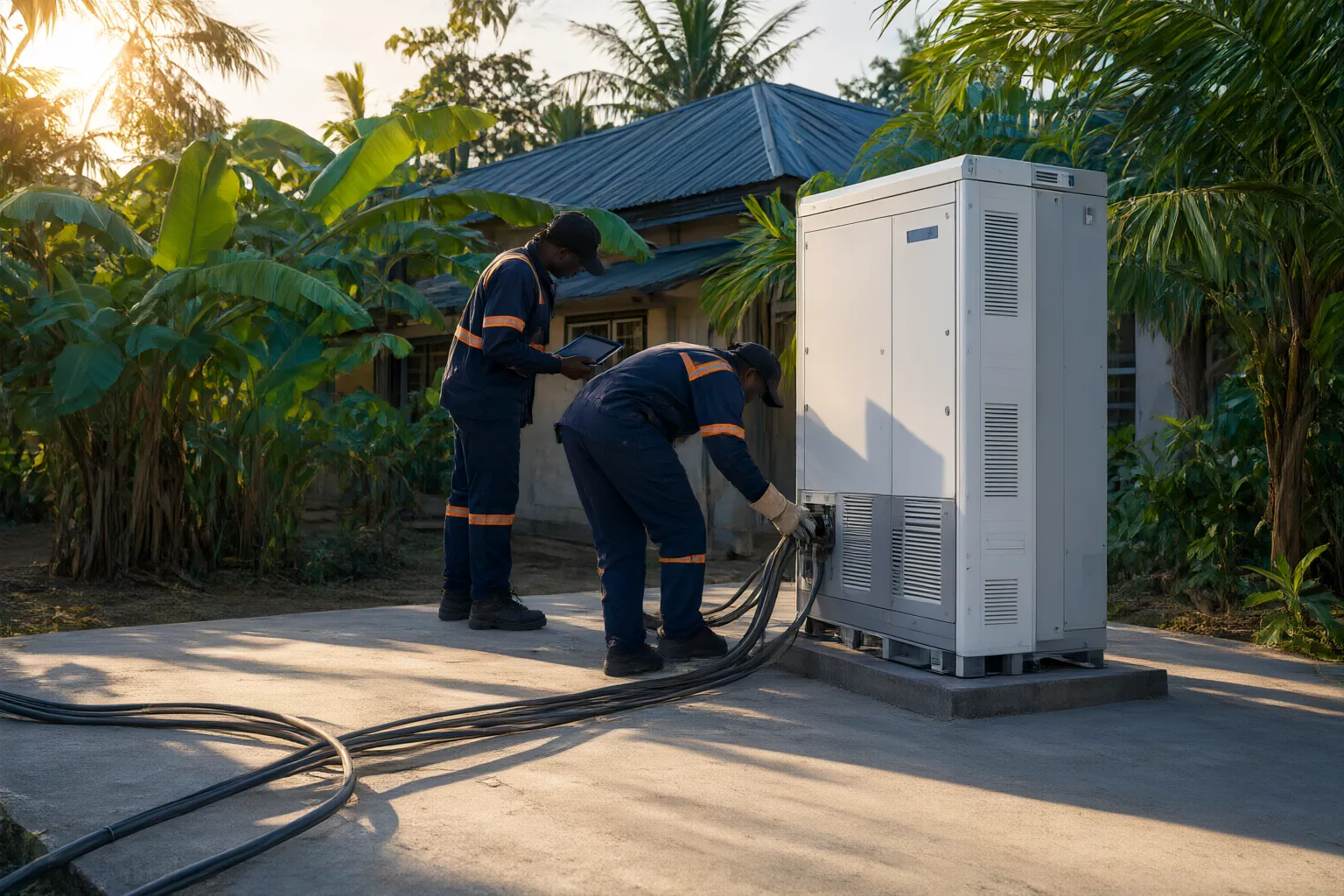
Where complaints go and how PHEDC’s role will change
AKSERC is taking responsibility for customer complaints, dispute resolution and consumer protection within Akwa Ibom’s intrastate electricity market. NERC retains its stated authority over interstate and international activities. This division means the correct regulator depends on the nature and geographic scope of the issue, especially while responsibilities are being transferred.
For an ordinary complaint about intrastate electricity service in Akwa Ibom, AKSERC is the emerging state-level regulator. However, the transition is not scheduled to finish until February 17, 2027. Customers should check current official instructions before submitting or redirecting a case, particularly if a complaint was opened before the transfer or concerns an activity that may fall within NERC’s continuing remit.
PHEDC’s distribution structure is also due to change. PHEDC was directed to establish a subsidiary for Akwa Ibom, and that subsidiary must secure an AKSERC licence to undertake intrastate electricity supply and distribution. The direction creates a state-specific regulated entity; the supplied material does not confirm that incorporation and licensing have already been completed.
Customers should preserve bills, payment evidence, meter details, complaint references and correspondence during the transition. These records can help identify the account and history of a dispute when confirming whether AKSERC, NERC, PHEDC or the future Akwa Ibom subsidiary is the appropriate channel. Contact details and submission procedures should be taken from current official notices rather than assumed from the transfer announcement alone.
Conclusion
The confirmed change is a transfer of Akwa Ibom’s intrastate electricity-market oversight to AKSERC. The state commission is to oversee the end-user tariff methodology, customer complaints, dispute resolution and consumer protection, while NERC retains authority over interstate and international electricity activities. PHEDC must create an Akwa Ibom subsidiary that obtains an AKSERC licence for intrastate supply and distribution.
The order took effect on August 18, 2026, but completion is scheduled for February 17, 2027. That transition period does not establish an immediate new tariff or confirm that every operational step is complete. Keep your bills and complaint records, identify whether your issue is intrastate or cross-border, and consult current AKSERC, NERC and PHEDC notices before acting on any tariff or complaint-channel change.
Disclosures and limitations
- This article was prepared with AI assistance using only the supplied research package and its identified sources.
- The supplied excerpts did not include the full text of NERC Order NERC/2026/087; exact implementation details should be checked against the primary order and current official notices.
Related reading
- Electricity Consumers in Nigeria
- What Evidence Should Nigerian Electricity Consumers Gather Before Escalating a Suspected Meter Fault or Billing Dispute?
- How Nigerian Consumers Can Keep Essential Internet Equipment Online During Outages and Track Its Electricity Use
Sources
- NCP Announces Closure of Up to 60% of Electricity Metering Gap – Federal Ministry of Information and National Orientation — Federal Ministry of Information and National Orientation
- Nigeria: NERC Transfers Electricity Market Oversight to Akwa Ibom Regulatory Commission — allAfrica.com
- NERC transfers Akwa Ibom electricity regulation to state — Punch Newspapers
- Aiyedatiwa approves landmark legislation for Ondo power sector – P.M. News — pmnewsnigeria.com
- Nigeria: Akwa Ibom Set to Take Over Electricity Market Regulation From NERC — allAfrica.com
- Nigeria: We've Metered 60 Percent of Nigeria's Electricity Consumers – FG — allAfrica.com
- NERC transfers Akwa Ibom power sector oversight to state regulator — Punch Newspapers