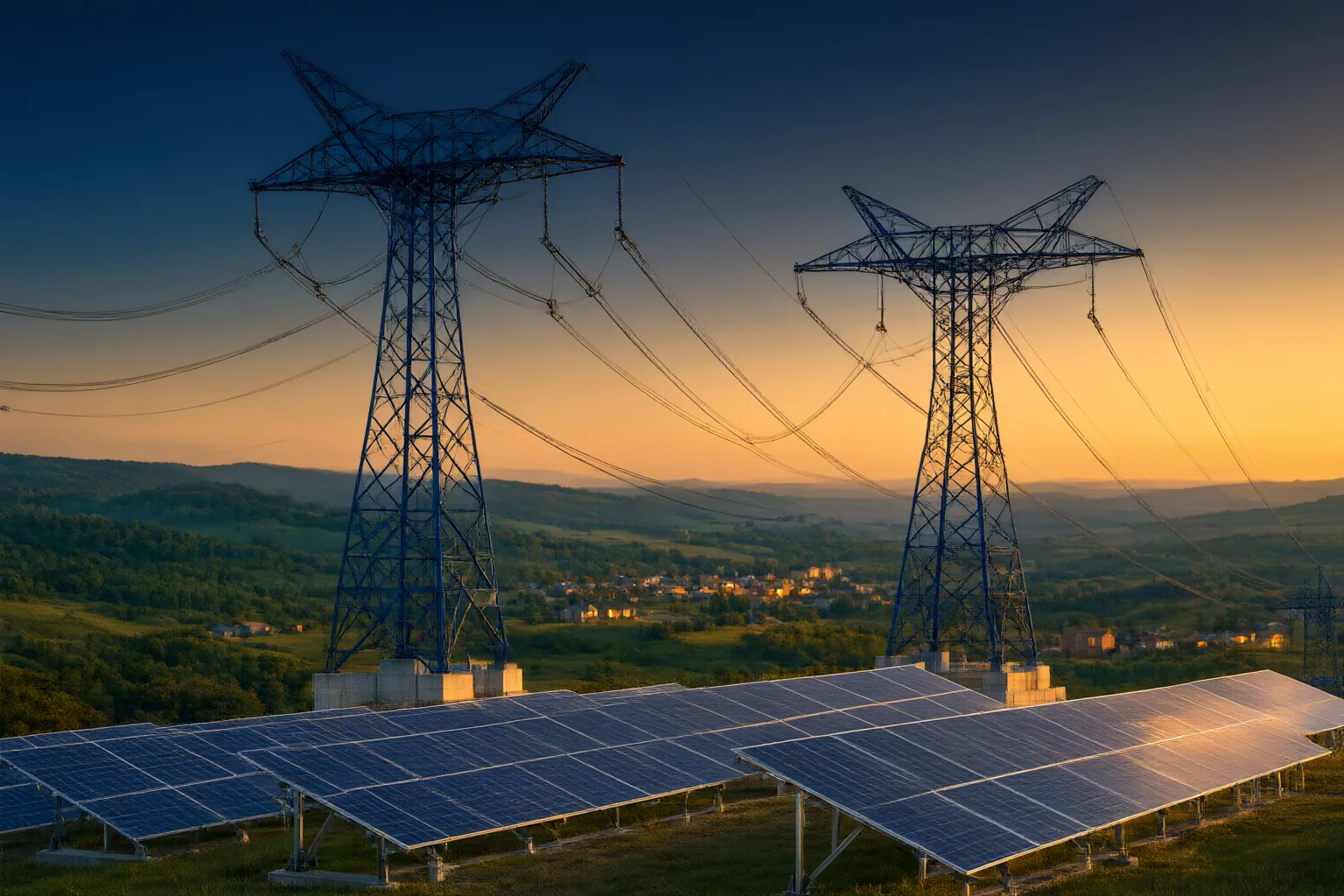
Electricity is not inherently renewable or nonrenewable. It is a secondary energy source, so the correct classification depends on the primary source—such as solar, wind, coal, natural gas, or nuclear energy—converted into electrical power. To evaluate a claim about electricity, first identify how that electricity was generated.
The Direct Answer: Electricity Is Classified by Its Source
Electricity is a secondary energy source because it must be produced by converting a primary energy source. The generating input may be coal, natural gas, nuclear energy, solar energy, wind energy, or another primary source. Electricity therefore does not have an independent renewable or nonrenewable status.
The practical rule is simple: classify the electricity by the source used to generate it. Electricity produced from a renewable primary source can be described as renewable electricity, while electricity produced from a nonrenewable primary source can be described as nonrenewable electricity. The electrical power may serve the same kinds of end uses in either case, but its source classification differs.
This distinction prevents a common misunderstanding. Saying that a device, building, or activity “uses electricity” does not reveal whether the underlying energy source is renewable. That conclusion requires information about generation, not merely the fact that electrical power was consumed.
Renewable and Nonrenewable Routes to Electricity
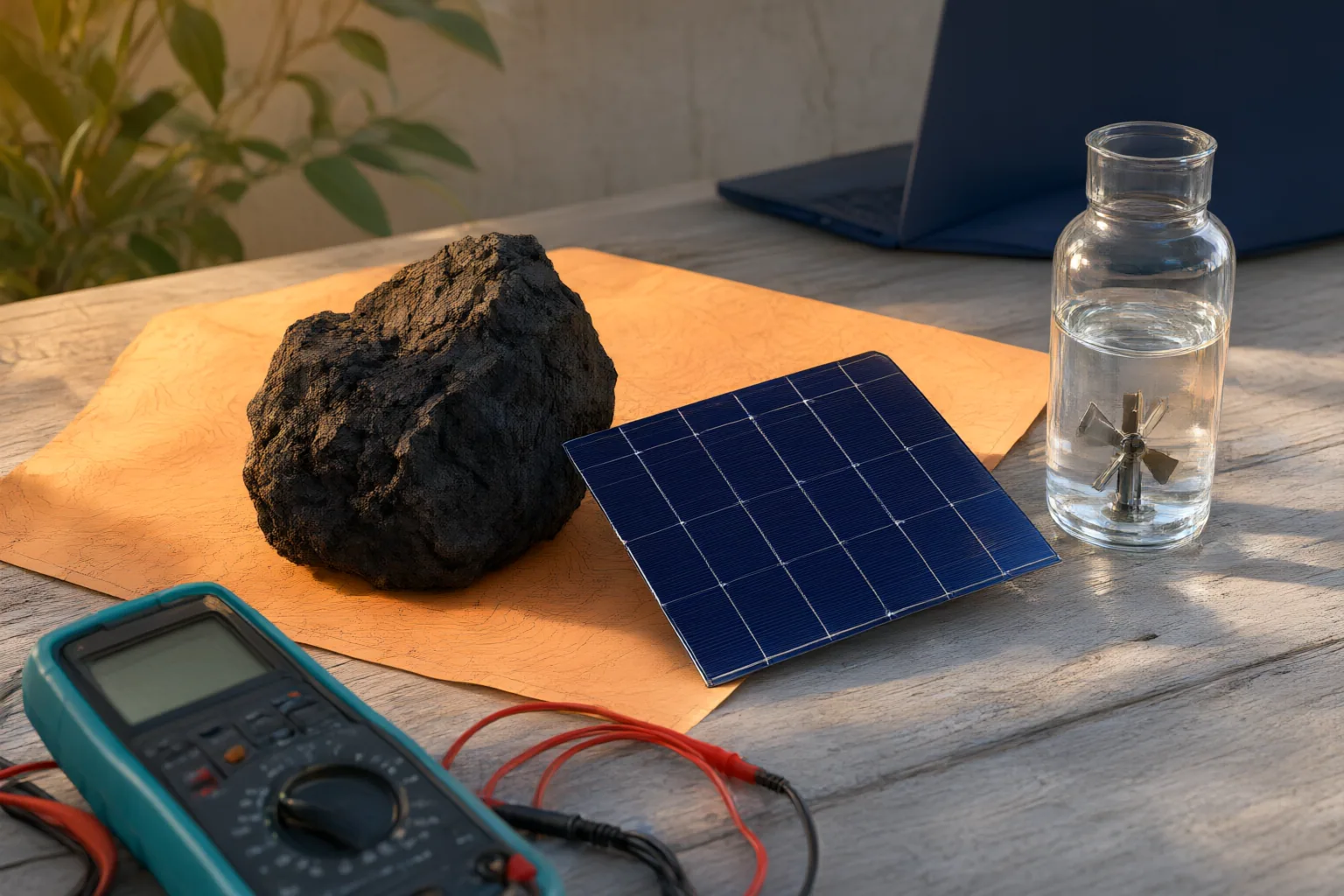
Solar and wind energy provide renewable routes to electricity generation. When either source is converted into electrical power, the resulting electricity can be described according to that renewable origin. Coal and natural gas provide nonrenewable generation routes, so electricity produced from them is classified by those nonrenewable inputs.
Nuclear energy is also among the primary sources that can be converted into electricity. It should be identified as the generation source rather than treated as evidence that electricity itself belongs to one universal category. The central point remains the same across all examples: the source is what determines the appropriate description.
This source-based approach also helps readers assess broad claims such as “powered by electricity” or “uses clean power.” Those phrases alone do not identify the generating input. A meaningful assessment begins by asking which primary source supplied the electricity covered by the claim. If several sources contributed, the available information would need to identify them before a source-based classification could be made.
The supplied research establishes this general classification method, but it does not provide Nigeria-specific generation shares, tariffs, regulations, renewable-energy proportions, or reliability conditions. Those issues require separate, relevant evidence and should not be inferred from this general explanation.
From Generation Source to Usable Electricity
Electricity is also described as an energy carrier. After primary energy has been converted into electrical power, electricity can carry usable energy to equipment and be converted again into other forms. An electric motor, for example, uses electrical energy to provide mechanical energy, while electrical equipment can convert it into heat.
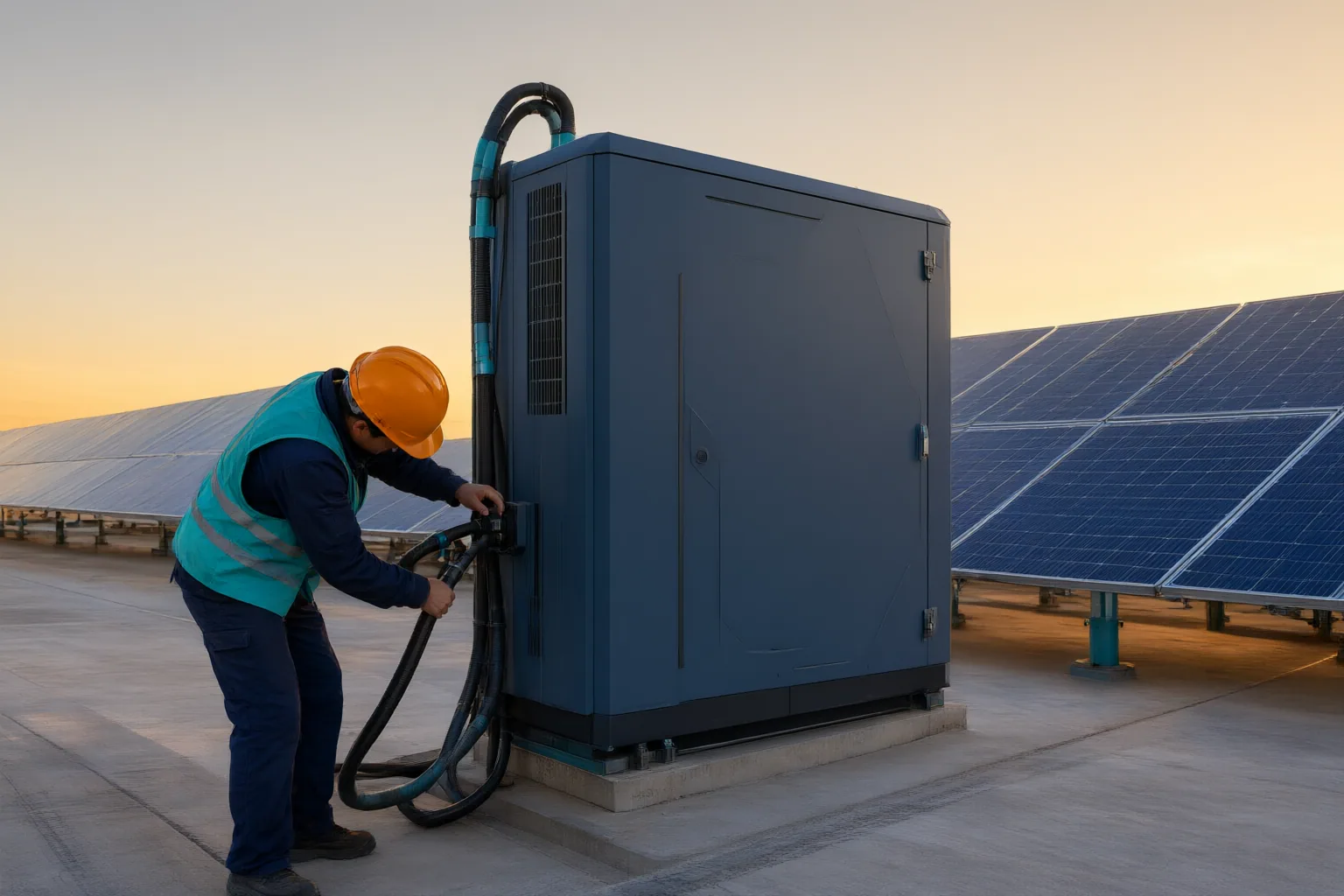
Generation is only the beginning of the delivery process. Electricity travels from power plants to homes and businesses through a grid that includes transmission lines, substations, and distribution systems. These connected parts move electrical power from generation facilities toward the places where it is used.
At the same time, grid operators must continually balance electricity supply and demand. That balancing task supports stable and reliable service because electricity must be available in relation to changing demand across the system.
Generation source, delivery network, and end use therefore answer different questions. The source indicates whether a renewable or nonrenewable input produced the electricity. The grid explains how that power travels to users. The appliance or equipment shows how electrical energy is finally converted into heat, mechanical energy, or another useful form. Neither grid delivery nor a particular end use changes the classification inherited from the original generation source.
Conclusion
Electricity should be understood as a secondary energy source and an energy carrier, not as something that is automatically renewable or nonrenewable. Its classification follows the primary energy source converted during generation. Solar- or wind-generated electricity can be described by its renewable origin, while electricity generated from coal or natural gas follows those nonrenewable sources. Nuclear energy should likewise be identified explicitly as its own generating input.
The grid then transports generated electricity through transmission lines, substations, and distribution systems, while operators continually balance supply with demand. Those delivery functions do not determine whether the power is renewable.
When you encounter an electricity or clean-energy claim, look for the stated generation source. Check whether the claim identifies solar, wind, coal, natural gas, nuclear energy, or another input, and classify the electricity only from that evidence.
Disclosures and limitations
- This article was prepared with AI assistance using only the supplied research package and its identified sources.
- The cited sources support general electricity and grid concepts; they do not establish Nigeria-specific generation shares, tariffs, regulations, or reliability conditions.
Related reading
- Digital Safety Guides for Risky Links and Online Claims
- How to Recognize Phishing Links and Prompts Before Sharing Sensitive Information or Downloading Malware
Sources
- Nigeria – Wikipedia — en.wikipedia.org
- Electricity explained – U.S. Energy Information Administration (EIA) — eia.gov
- Electricity — Energy.gov
- Electricity – Wikipedia — en.m.wikipedia.org
- History of Nigeria – Wikipedia — en.wikipedia.org
- Nigeria – Wikipedia, la enciclopedia libre — es.wikipedia.org