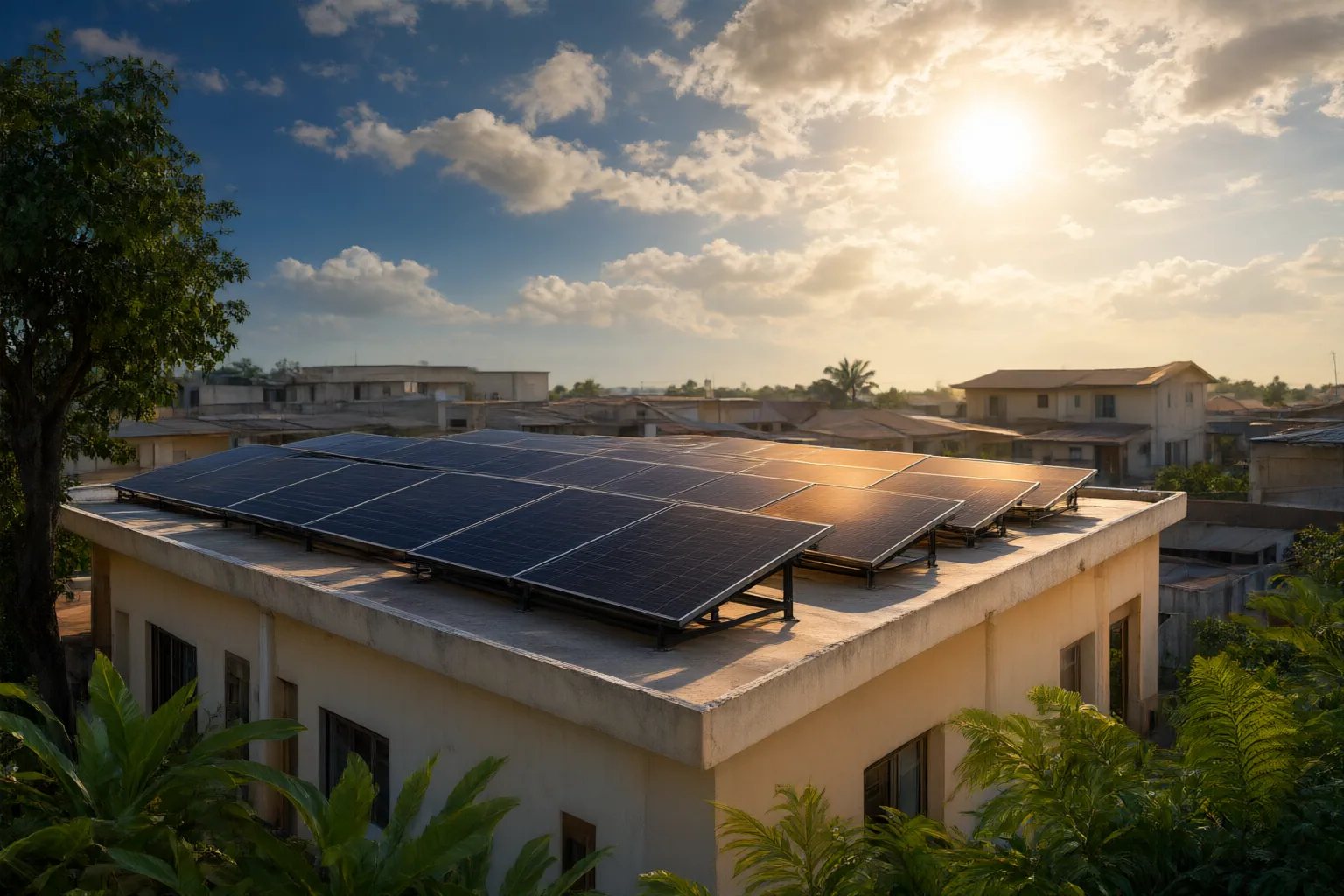
Solar panels depend on sunlight because they capture energy from the Sun. However, the solar energy present near Earth’s surface is not the same as the amount that can practically be acquired: geography, time variation, cloud cover and available land all constrain usable potential. Nigerian consumers should therefore seek site-specific evidence before forming performance, sizing or purchasing expectations.
How solar panels use energy from sunlight
Solar energy is the radiant energy produced by the Sun’s light and heat. It can be harnessed through several approaches, including photovoltaic systems, solar thermal energy and solar architecture. Solar panels associated with photovoltaic systems belong within this wider family of solar technologies.
At the introductory level supported by the supplied sources, the central relationship is straightforward: solar panels capture energy from the Sun and operate in sunlight. Sunlight is therefore an essential input, not a secondary feature of the technology.
That basic relationship does not establish how much useful energy a particular panel or installation will provide. The available evidence contains no Nigeria-specific output figures and does not support claims about performance under particular local weather conditions. It also provides no basis for estimating system size, storage needs, costs or likely savings. Consumers should separate the general fact that panels depend on sunlight from the site-specific evidence needed to assess a real installation.
Photovoltaic systems as an active solar technology
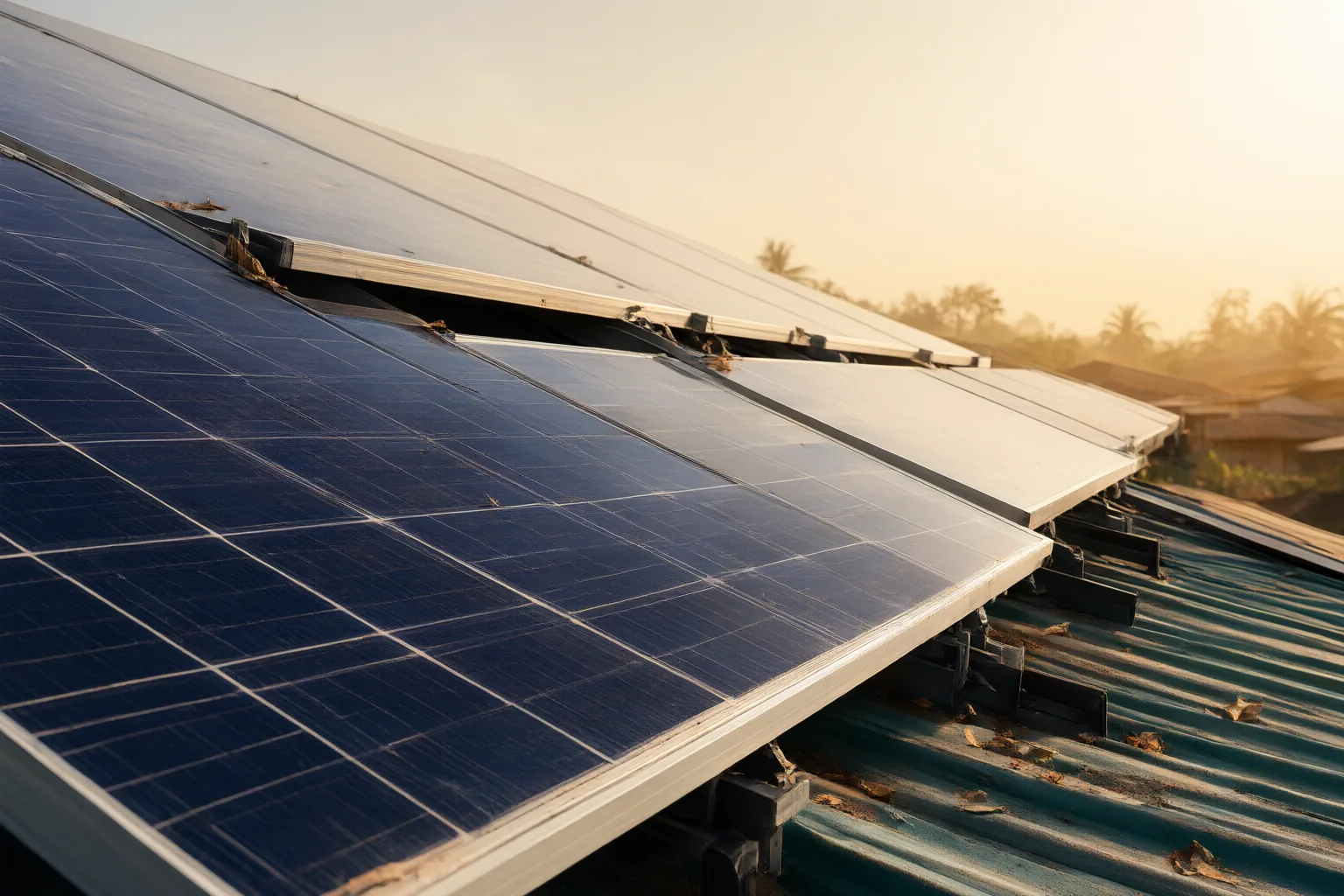
Solar technologies may be classified as active or passive according to how they capture, convert and distribute sunlight. Photovoltaic systems are identified as an active solar technique. This classification helps distinguish a technology-based method of harnessing solar energy from passive approaches within solar architecture.
For electricity consumers, the useful point is that a photovoltaic system is part of an active process centered on sunlight. The classification alone does not reveal the output of a specific system, and it should not be treated as a performance guarantee. It also does not answer questions about equipment configuration, storage or suitability for a particular property. Those questions require evidence beyond the general description of photovoltaic technology supplied here.
Why usable solar energy varies
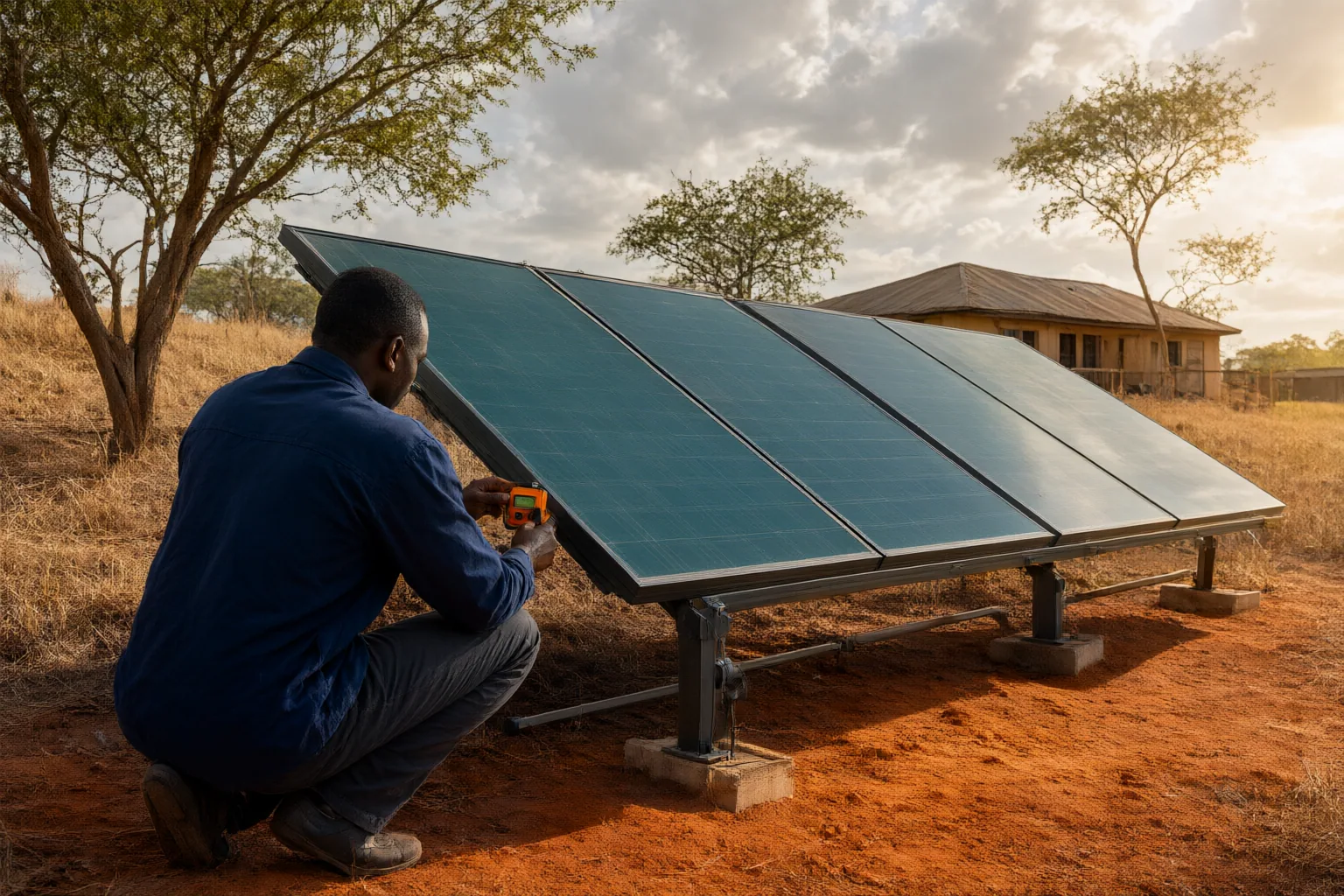
The solar energy present near Earth’s surface and the portion that can actually be acquired are different quantities. According to the supplied general solar-energy source, usable potential is constrained by geography, variation over time, cloud cover and the land available for capturing solar energy.
Geography matters because solar-energy potential is not uniform across every location. Time variation means the relevant conditions are not fixed. Cloud cover is another documented constraint on the solar energy that can be acquired. Available land—or, more broadly for an initial consumer assessment, the space available for solar collection—also places a practical boundary on potential.
These factors should be treated as starting questions rather than shortcuts to a prediction. A general statement that geography or clouds matter cannot establish the expected output at a particular Nigerian home, business or other site. The research package supplies no local measurements, regional comparisons or performance calculations from which such a conclusion could responsibly be drawn.
This distinction is especially important when moving from an explanation of solar energy to a purchase or sizing decision. General sources can explain why usable potential varies, but site-specific expectations require site-specific evidence. Consumers should avoid turning broad descriptions of sunlight availability into unsupported claims about how a particular installation will perform.
Conclusion
Photovoltaic systems are active solar technologies that harness energy from sunlight, so their basic dependence on sunlight is direct. Yet the amount of solar energy near Earth’s surface does not automatically equal the amount that can be acquired at a particular site. Geography, time variation, cloud cover and available land constrain usable potential.
Before relying on any output expectation, use those four factors as a practical checklist. Ask what location-specific and time-specific evidence supports the estimate, how cloud cover was considered and what space is actually available. Then seek site-specific evidence before making system-sizing or purchasing decisions.
Disclosures and limitations
- This article was prepared with AI assistance from the supplied research package and approved content plan. Material claims are limited to source-60b142d627870d9cf2147f67 and source-f3eabf4878dc0ccaf6eee4bf; the former is a vocabulary page rather than a technical or primary energy reference.
- No products are recommended, and the supplied materials contain no product data or source-backed user feedback. This general explainer does not provide Nigeria-specific output, sizing, storage, cost, availability or regulatory guidance.
Related reading
- Data & Reports for Nigeria’s Electricity Sector
- How Nigerian Buyers Can Separate Renewable-Energy Market Claims from Electrical Product Conformity Evidence
- What Nigerian Consumers Should Verify Before Ordering a Prepaid Electricity Meter
Sources
- Nigeria – Wikipedia — en.wikipedia.org
- SOLAR | Division of Information Technology — it.stonybrook.edu
- solar — baike.baidu.com
- Learn About Lead | US EPA — US EPA
- Lead – Wikipedia — en.wikipedia.org
- Solar energy – Wikipedia — en.wikipedia.org
- Lead | US EPA — US EPA
- History of Nigeria – Wikipedia — en.wikipedia.org