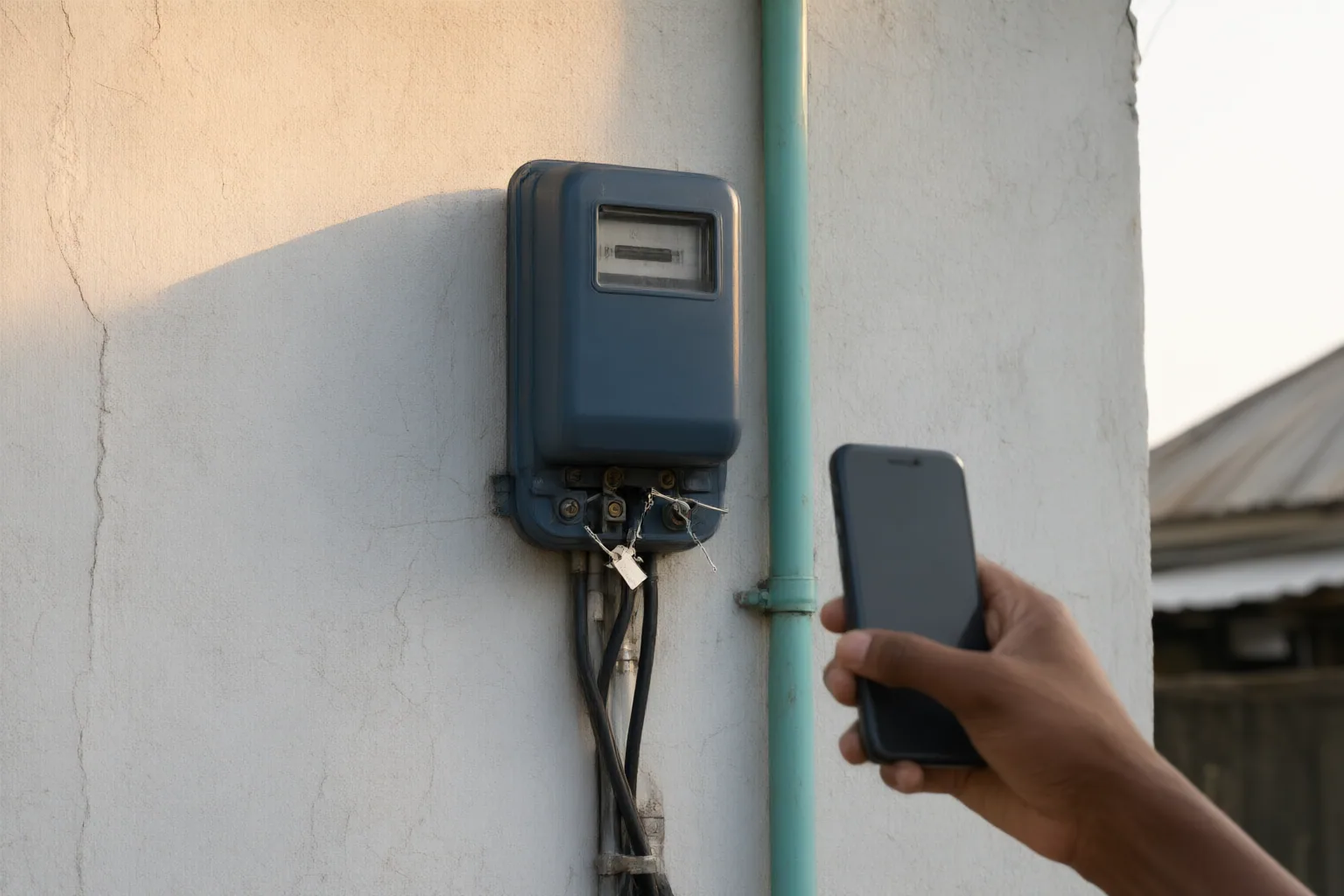
If you discover a broken or missing electricity meter seal, do not handle the meter or assume that the damage proves tampering. Photograph its condition, preserve relevant records, promptly notify your electricity distribution company through a verified channel, and request a documented inspection and resealing.
Why a broken or missing meter seal matters
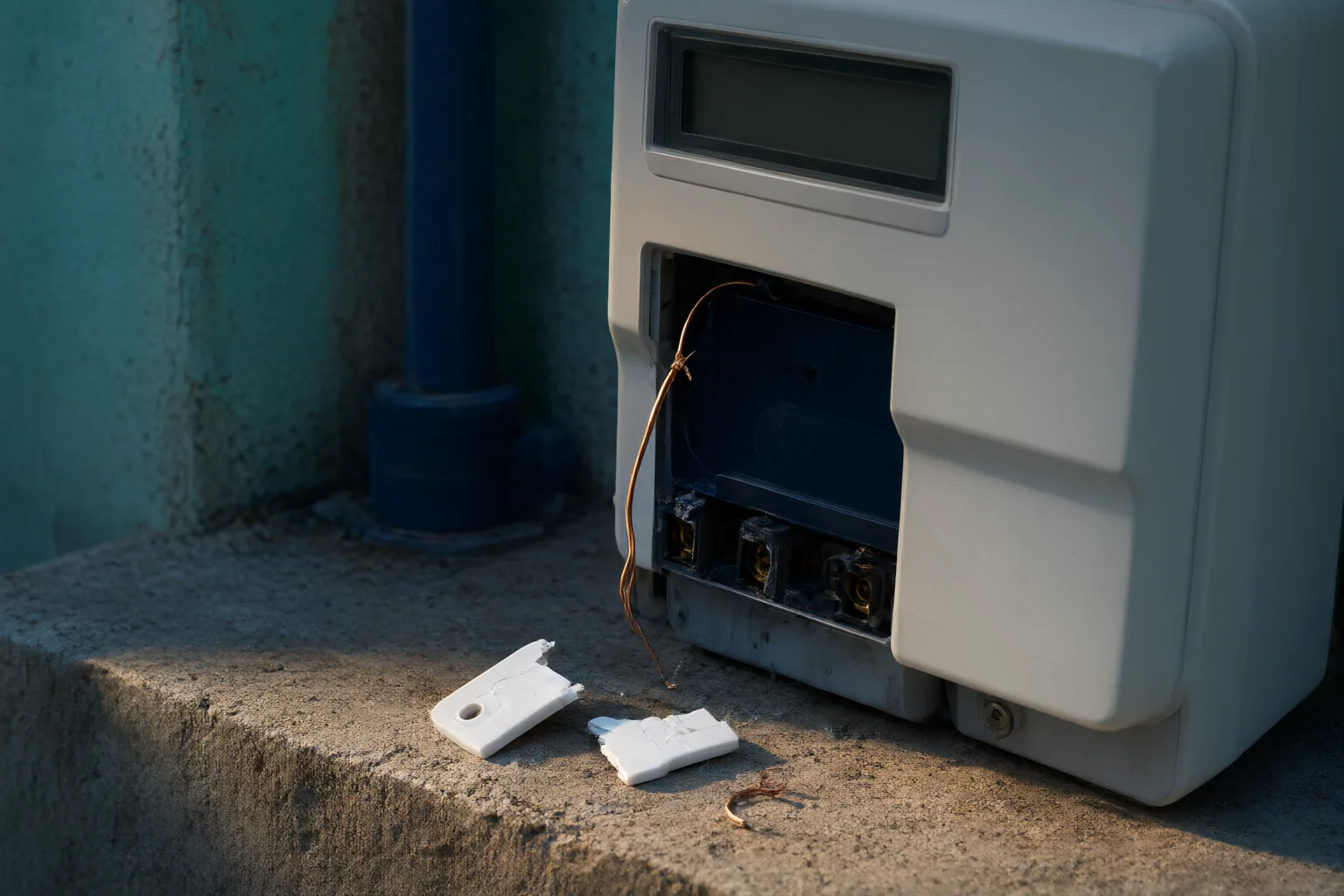
A meter seal is intended to deter unauthorized access and provide visible evidence that a meter may have been opened or interfered with. Its absence or damage can therefore prompt questions about whether the meter and its readings remain reliable. However, a broken or missing seal does not by itself establish who caused the damage or prove that tampering occurred. It could be associated with authorized maintenance, accidental damage or unauthorized access, and the available evidence may not immediately distinguish among these possibilities.
An unsealed meter can also raise a safety concern because conductors or meter hardware may have been accessed. The electricity provider may decide to investigate the meter and review its readings. Possible outcomes described by the supplied sources include back-billing, a fine or temporary disconnection, but these are not automatic consequences. The response depends on the provider and applicable local rules. The sources do not establish Nigeria-specific penalties, procedures or consumer-rights provisions, so consumers should verify the applicable process directly with their electricity distribution company.
Immediate steps to document and report the problem
Start by leaving the meter and the damaged or missing seal as you found them. Do not attempt to repair, replace or otherwise interfere with the seal yourself. Take clear photographs of the meter, the seal area and the immediate surroundings. Preserve the original image files so that their dates and details remain available.
Collect records that may help explain the circumstances. These may include recent electricity bills, earlier photographs, maintenance records and any communication about work performed on the meter. Note when you first discovered the problem and whether any authorized maintenance had recently occurred, but avoid making unsupported claims about the cause.
Promptly contact your electricity distribution company through a channel you have independently verified. Describe the visible condition without presenting it as proven tampering, ask for the report to be formally recorded, and request an inspection and resealing. Retain the complaint or reference number, written acknowledgement, messages and any appointment details. During or after the inspection, request a written record of the findings and the work completed.
The supplied sources recommend prompt reporting, photographs, inspection and resealing, but they are commercial seal-industry sources rather than Nigerian regulators or distribution companies. They do not specify the correct Nigerian reporting channel, required form or response time. Confirm those details directly with the distribution company serving your account.
What to do if the seal issue affects your bill or supply
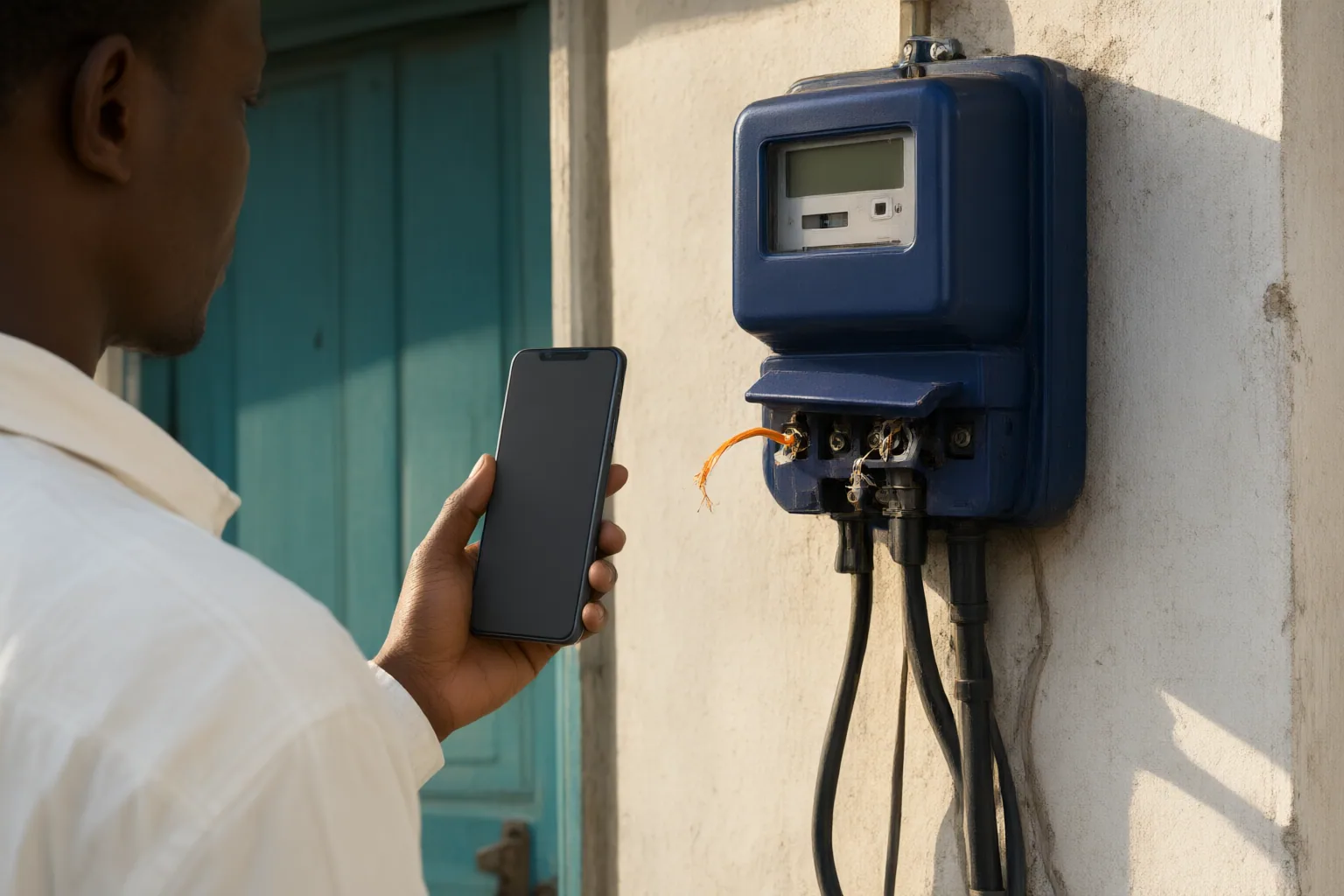
Monitor bills issued after the seal problem is reported. Compare them with earlier bills and keep copies alongside your photographs, report reference, inspection findings and communications with the provider. If the company questions the meter readings, ask it to explain in writing what period is affected, how any revised amount was calculated and what the inspection found.
If an unexpectedly high bill is connected to the missing or broken seal, the supplied guidance recommends requesting an audit and filing a complaint. Present a clear timeline and attach the records supporting it. Keep copies of everything submitted and any response received. Documentation can help explain the circumstances and support a challenge to charges, although the supplied sources do not establish what evidence a Nigerian provider must accept or what formal review process applies.
A provider may investigate, question the reliability of readings or consider back-billing, a fine or temporary disconnection. Treat these only as possible outcomes, not as inevitable results. The applicable response varies according to the provider and local rules, and the research package does not establish Nigeria-specific penalties, complaint channels, appeal rights or timelines. Use the distribution company’s verified process and request written reasons for any billing or supply decision linked to the seal.
Conclusion
The safest evidence-supported response is to avoid handling the meter, document its condition and report the broken or missing seal promptly. Do not assume who caused the damage or treat the condition alone as proof of tampering. Request a recorded inspection and resealing, preserve the inspection findings and monitor later bills for unexplained changes.
Contact the Nigerian electricity distribution company serving your account through a verified channel now. Ask for a documented inspection and resealing, then retain the reference number or written acknowledgement with your photographs and billing records.
Disclosures and limitations
- This article was prepared with AI assistance from the supplied research package and was based on two commercial seal-industry sources, not official Nigerian regulatory or distribution-company guidance.
- No products are recommended here. Consumers should confirm procedures, timelines, rights and possible consequences with their Nigerian electricity distribution company and applicable official rules.
Related reading
- Electricity Consumers in Nigeria
- How Nigerian Households Can Reduce Generator Carbon Monoxide Exposure During Outages
- Meter for Laboratory Testing: What Nigerian Customers Should Know When a DisCo Removes a Meter