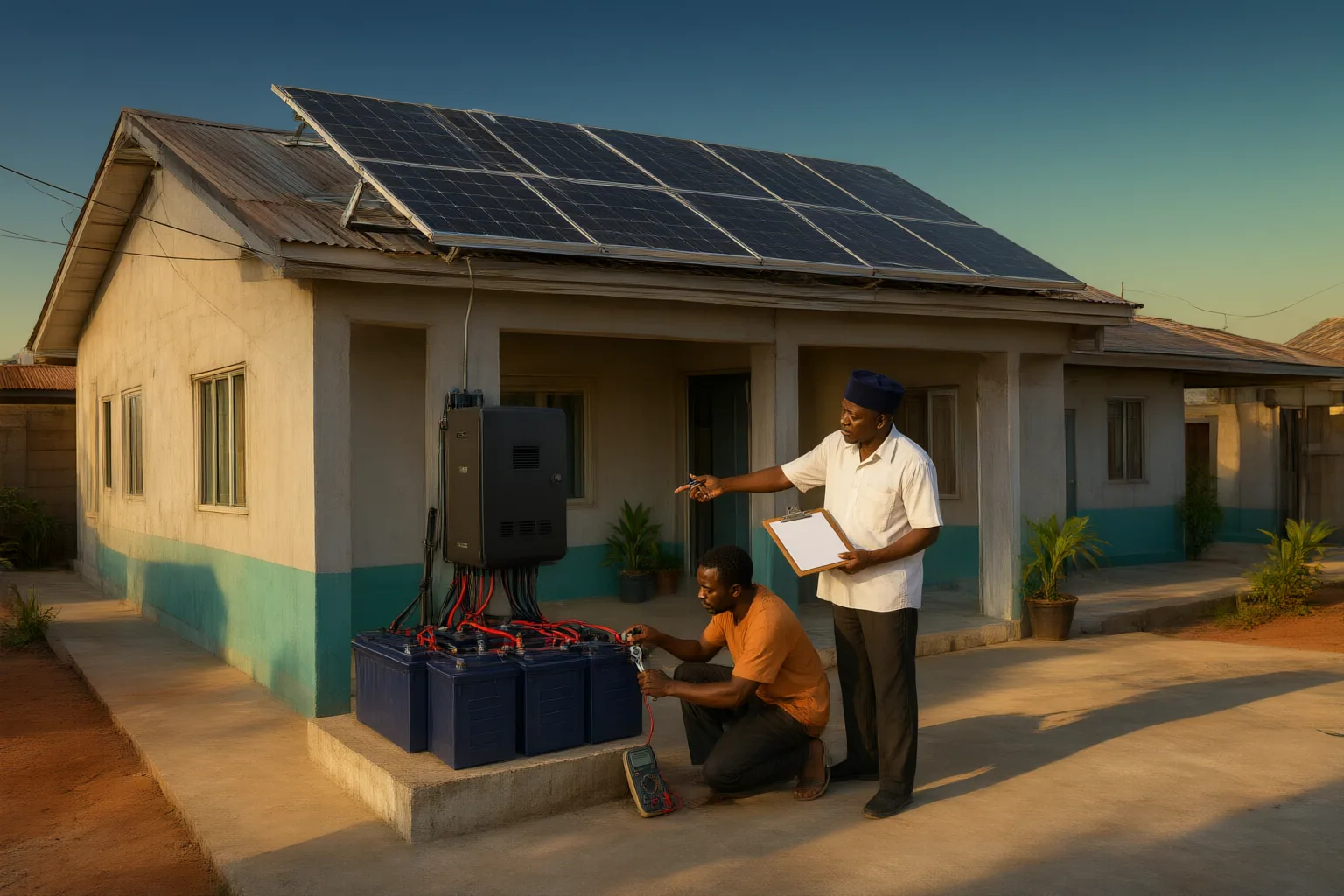
Before solar equipment is installed in a Nigerian rental, the tenant and landlord should sign a written agreement identifying the approved system and allocating ownership, maintenance, repair, removal, restoration, and related costs. The terms should reflect the particular tenancy and property rather than assumptions about who paid for the equipment.
Start with written consent and a precise equipment record
Written consent should describe the work being approved, not merely state that the tenant may “install solar.” The Nigeria-focused renter guide recommends recording the equipment, installation work, ownership, responsibility for damage, restoration duties, and any effect on rent.
The agreement can identify:
- Each component, including panels, batteries, inverter, cabling, supports, and protective equipment.
- Where each item will be placed and how it will be attached.
- The purchaser and the available make, model, serial number, receipt, and warranty details.
- The approved installer and responsibility for installation damage.
- Any limits arising from the property or estate rules.
- Whether rent changes or remains unaffected.
This detail helps the landlord evaluate concerns such as roof leaks, unsafe wiring, structural changes, and property damage. It also helps the tenant show which equipment was purchased for the installation. A removable design using bolted components and surface trunking may limit changes to the property, while retained purchase records and serial numbers may support later identification.
Tenancy rules and agreements can vary by Nigerian state and by property. Where the arrangement involves substantial cost or consequential building work, the renter guide advises obtaining legal review. Technical risks should likewise be assessed by an appropriately qualified person rather than resolved through vague lease wording.
Define ownership and separate maintenance from major changes
Paying for solar equipment does not, by itself, answer every ownership question after installation. General material on tenant improvements says classification may be influenced by how an item is attached, how it is adapted to the premises, and what the parties intended. Lease provisions may also control consent, removal, and restoration. These are general considerations, not a statement of Nigerian law.
The written agreement should therefore say who owns each component during the tenancy, whether ownership changes at any point, and what happens when the tenancy ends. It should also address whether the landlord may retain any equipment and, if so, whether any payment or rent treatment applies. Receipts, model information, and serial numbers should be retained alongside the signed terms.
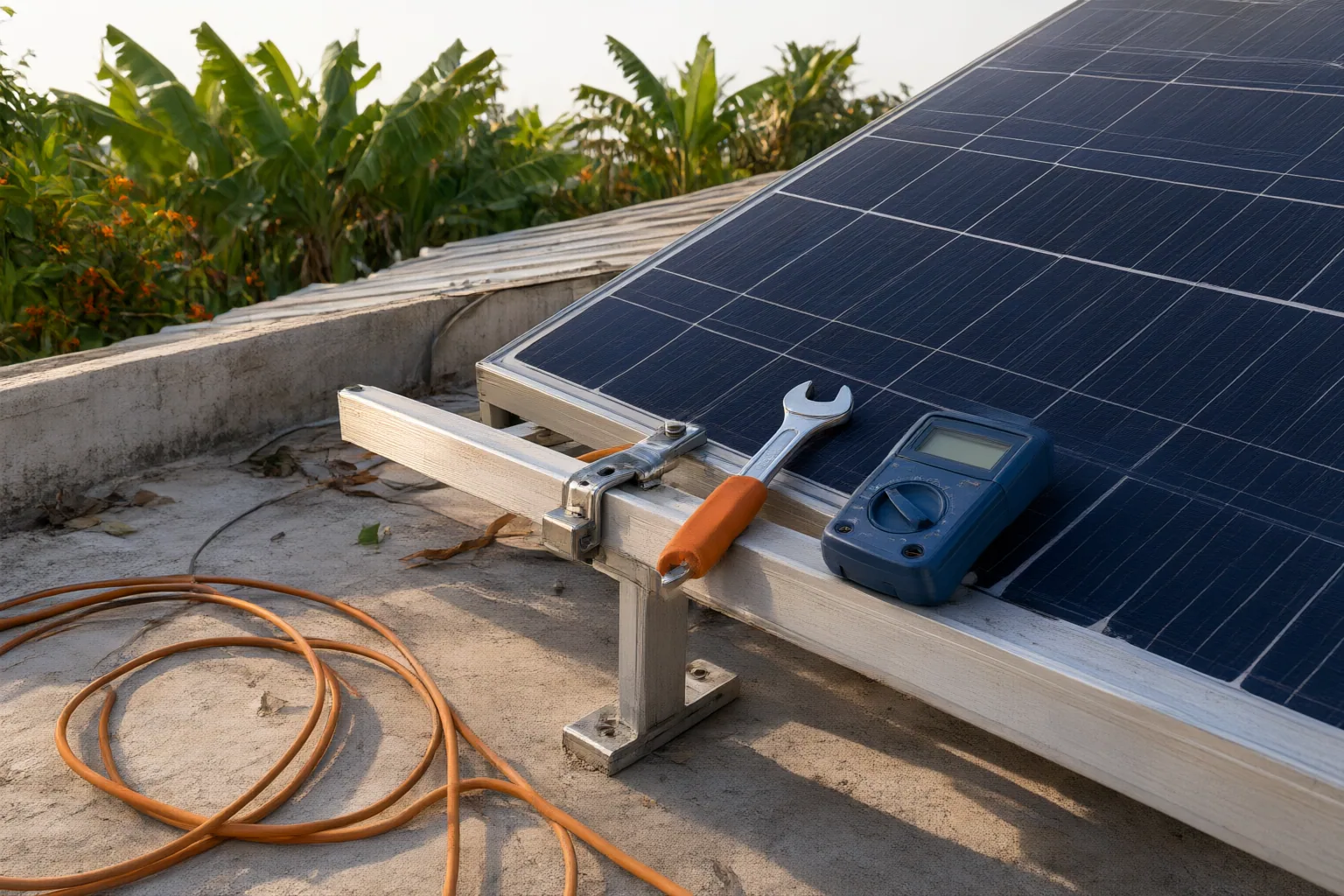
Responsibilities should be divided by activity. Routine maintenance is not necessarily the same as diagnosing a fault, repairing damage, replacing a battery or inverter, relocating panels, altering wiring, or removing the system. Sample ownership and maintenance clauses demonstrate that these duties can be allocated separately. The parties can specify who arranges and pays for each category, whose consent is required for major work, and who bears responsibility when work damages the building.
This distinction prevents a broad promise to “maintain the system” from being treated as permission—or an obligation—to replace, move, alter, or remove it. Any allocation should be tailored to the actual equipment and tenancy.
Plan removal, restoration, and costs before move-out
Move-out terms are easier to settle before installation than after the parties’ interests have changed. Sample lease clauses show several possible outcomes: installed improvements may be required to remain, may be permitted to be removed, or may have to be removed. Clauses may also assign removal and repair costs to the tenant. These samples illustrate drafting choices; they do not automatically apply to a Nigerian tenancy.
The agreement should address:
- Which components the tenant may or must remove and which, if any, must remain.
- How much notice is required and when the tenant or contractor may access the property.
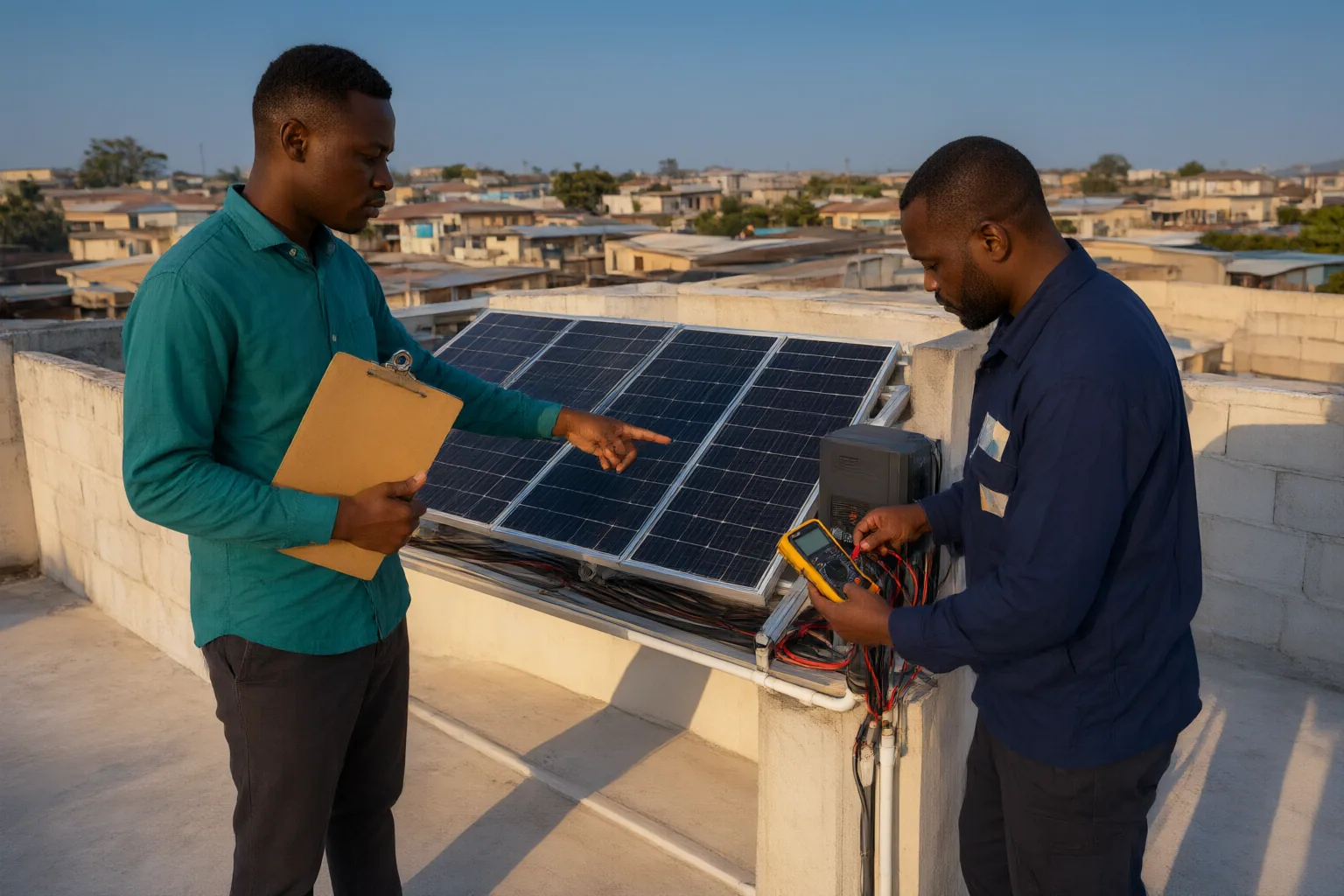
- Who arranges safe disconnection and the deadline for completing the work.
- Who restores roof penetrations, fixing points, walls, trunking routes, finishes, and other affected areas.
- Who pays for removal, restoration, and damage caused during either installation or removal.
- How the parties will record the condition of the premises and confirm completion.
Attachment and adaptation can matter when installed items are classified, while express lease terms may determine removal rights and restoration duties. The parties should therefore avoid relying only on an assumption that equipment remains movable because the tenant bought it.
A practical agreement can also require the parties to inspect the affected areas, document any damage, and identify what acceptable restoration means. Clear deadlines, cost allocation, and responsibility for contractors reduce the chance that removal will delay handover or leave unresolved damage.
Conclusion
A workable solar agreement should connect consent to a precise description of the installation, identify the equipment and purchaser, state who owns each component, and divide routine maintenance from repair, replacement, relocation, alteration, and removal. It should also settle access, deadlines, safe disconnection, restoration standards, damage responsibility, and costs before move-out.
The available materials support this practical contract framework but do not establish definitive Nigerian legal rules. General tenant-improvement commentary and sample clauses show why express terms matter, while the Nigeria-focused guide notes that tenancy rules and individual agreements vary.
Before buying or installing the system, tenant and landlord should complete and review the written terms, retain receipts and serial-number records, and seek qualified legal or technical advice when the expense, installation work, or property risk warrants it.
Disclosures and limitations
- This article was prepared with AI assistance from the supplied Nigeria-focused renter guide, general tenant-improvement commentary, and sample contract clauses. It provides practical information, not legal or technical advice; the sample materials are not authoritative statements of Nigerian law.
Related reading
- Renewable Energy in Nigeria
- Home Battery Safety in Nigeria: Ventilation, Placement and Fire-Risk Checks
- How Nigerian Households Can Maintain Solar Panels Safely Without Damaging Modules or Connections
Sources
- Tenant Improvements: Ownership & Removal Legal Issues — Aaron Hall, Attorney
- OWNERSHIP, MAINTENANCE AND REPLACEMENT Sample Clauses | Law Insider — Law Insider
- Can Your Landlord Stop You Installing Solar? A Renter’s Guide — solarbuildersng.com
- Maintenance vs. Replacement: EEE Ownership Under Civil Code 4775 — California Deck Inspection
- Ownership and Removal Sample Clauses | Law Insider — Law Insider