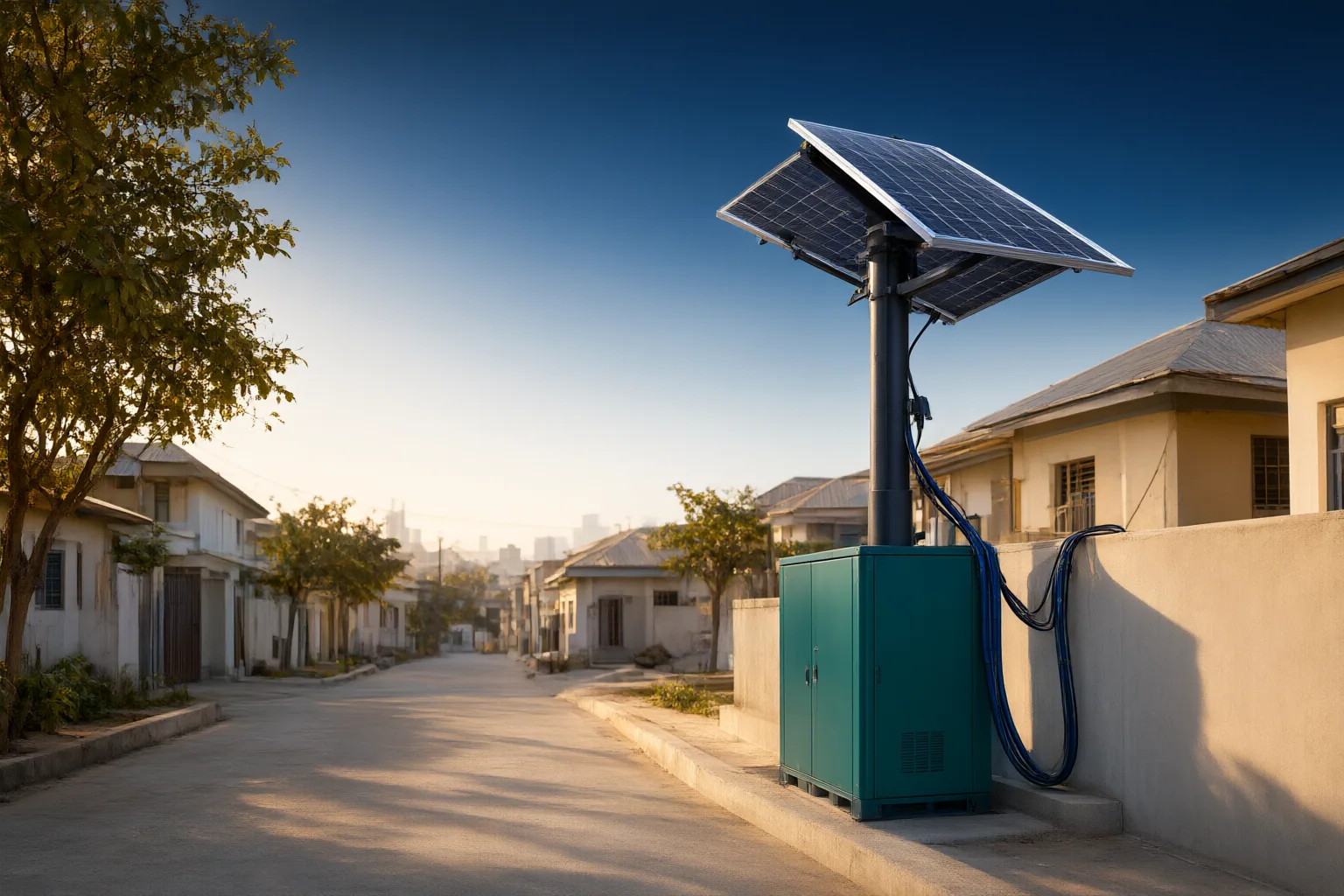
Nigeria electricity service quality can be assessed through affordability, safety, reliability and availability, but the supplied evidence does not support current provider rankings or conclusions about any individual customer’s experience.
What electricity service quality means for Nigerian consumers
Electricity service quality is broader than whether power is available at a particular moment. The supplied material describes consumers’ overall interests as access to electricity that is safe, reliable and available, with tariffs that are affordable. These dimensions provide a useful framework for separating different concerns: affordability relates to cost, reliability to consistency, availability to access, and safety to the risks associated with supply.
The material also describes the Nigerian Electricity Regulatory Commission (NERC) as the independent regulator responsible for functions including consumer protection, operator licensing, and setting and reviewing tariffs. That description helps identify NERC’s reported place in the sector, but the source supplied here is not an official NERC publication. Readers should therefore verify current legal powers, complaint procedures, deadlines and regulatory requirements through current Nigerian legislation and official NERC guidance before relying on them.
How infrastructure, metering and losses relate to service quality
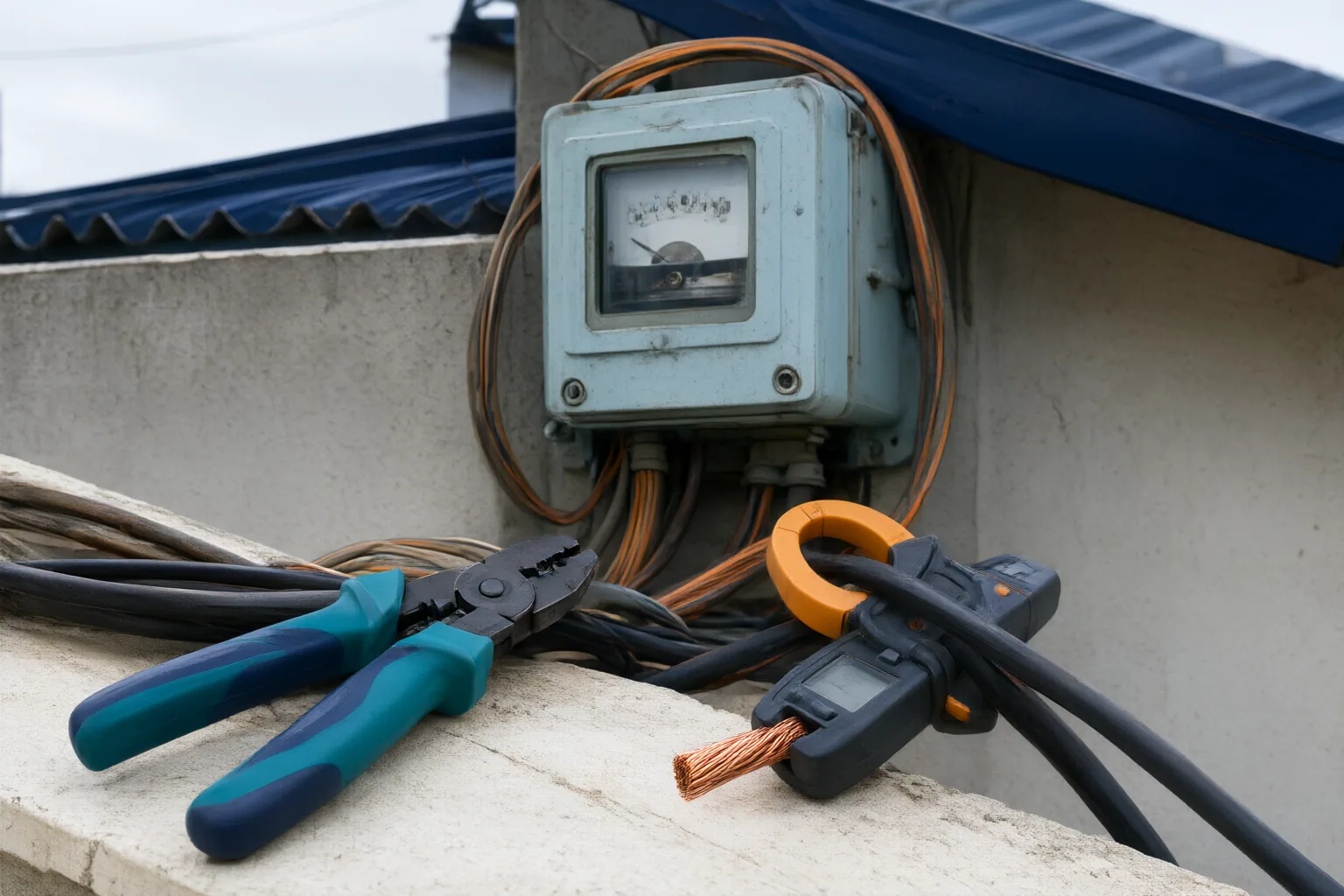
Distribution infrastructure affects the environment in which service is delivered, but system indicators should not be confused with evidence about a particular customer or provider. A commercial research report states that Nigeria’s aggregate technical, commercial and collection (ATC&C) losses reached 39.6% in the first quarter of 2025, compared with a 20.5% benchmark cited by that report. This is a secondary commercial claim and should be checked against official data before publication or use in a regulatory decision.
The same report links sector improvement with metering reform, stronger service-quality enforcement, better monitoring and improved feeder control. It also reports that the World Bank-supported DISREP project planned to deploy 3.2 million smart meters. The research package does not include the underlying first-party project documents, so the scale and present status of that plan require official confirmation.
These claims show why losses, metering and operational visibility belong in a system-level discussion. They do not establish the cause of an individual bill, prove the quality of service in a particular location or support a current comparison among distribution companies.
A practical framework for assessing service concerns
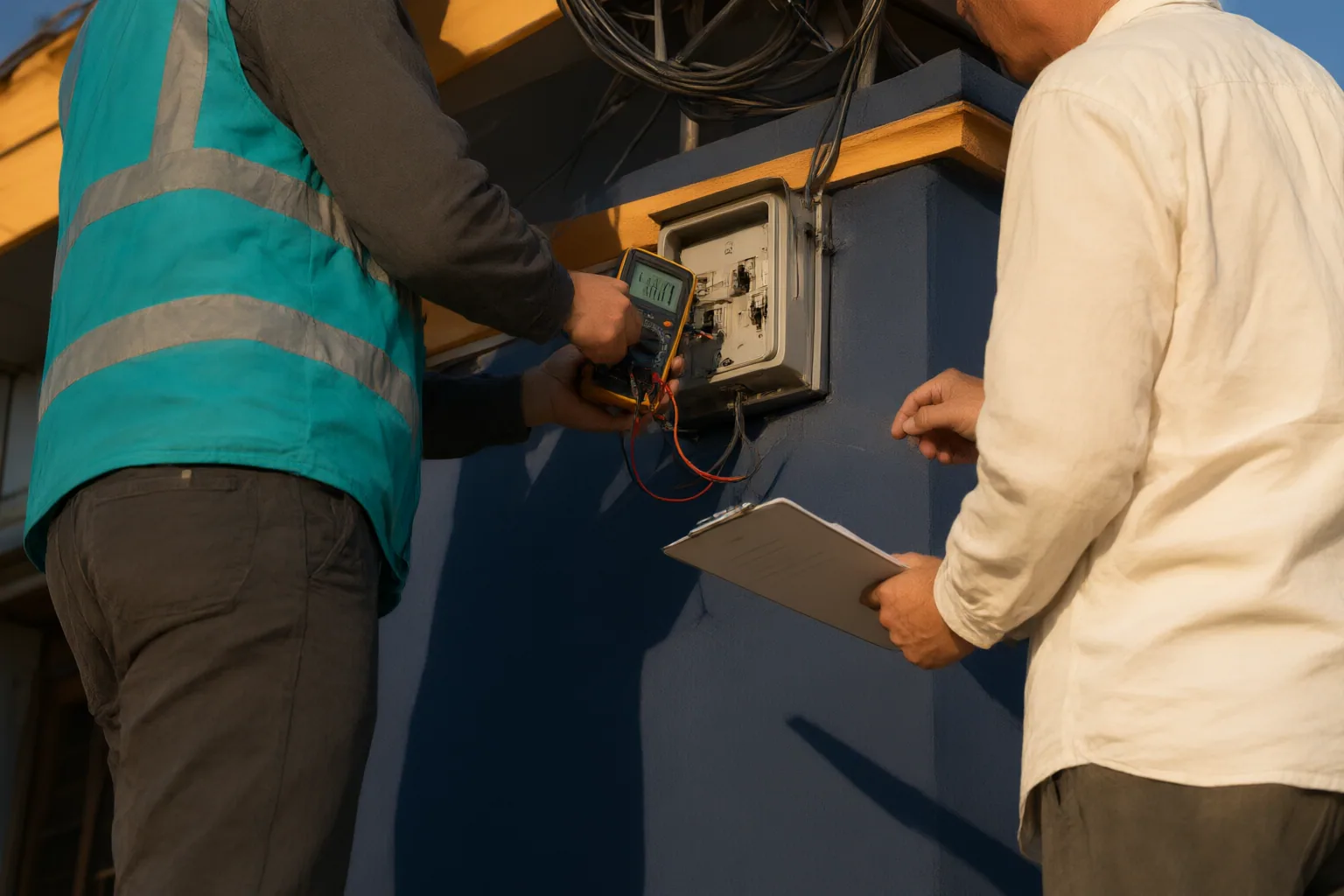
Consumers and analysts can organize a service concern into distinct questions:
- Safety: Is the issue about whether electricity is supplied safely?
- Reliability and availability: Is the concern whether supply is consistently present and accessible?
- Affordability: Is the main question the cost of electricity?
- Billing clarity: Is the calculation or the provider’s explanation unclear?
- Product conformity: Does the concern involve whether electrical equipment meets applicable Nigerian standards?
The supplied trade guidance says Nigeria uses a government-led standards system and identifies the Standards Organisation of Nigeria (SON) as a principal standards body. It says SON develops standards through the Nigerian Industrial Standards system. It also describes SONCAP as a mechanism for checking, before shipment, whether imported goods conform to applicable Nigerian industrial standards or recognized equivalents.
Product conformity and electricity service performance should remain separate in an assessment. The standards information may help consumers or purchasers ask whether relevant goods meet applicable requirements, but it does not measure supply continuity, billing accuracy, complaint handling or customer satisfaction.
For comparison only, European Union guidance says consumers may first complain to an energy supplier about contractual or service-quality concerns and may seek independent out-of-court dispute resolution if dissatisfied. That model is not Nigerian law and does not establish Nigerian complaint channels, remedies or response periods. In Nigeria, consumers should confirm each procedural step using current official guidance.
Conclusion
The available evidence supports a framework for discussing Nigeria electricity service quality through affordability, safety, reliability, availability, infrastructure, metering and relevant product standards. It does not provide recent official service-performance indicators, complaint statistics, outage records, compensation rules or comparable provider results. The commercial loss and metering claims also require confirmation from primary sources, while the European complaint model cannot be treated as Nigerian procedure.
If you face a service concern, document the specific issue, retain relevant bills and correspondence, request a clear response from the responsible provider, and verify the next complaint or regulatory step against current official NERC or other applicable Nigerian guidance.
Disclosures and limitations
- This article was prepared with AI assistance solely from the supplied research package. Material claims retain their source IDs, and secondary or non-Nigerian evidence is identified with its limitations.
- No products or providers are recommended or ranked. No affiliate relationship is represented in the supplied materials; readers should independently verify current regulatory procedures and official data.
Related reading
Sources
- Nigeria – Trade Standards — International Trade Administration | Trade.gov
- Complaints and dispute resolution with energy suppliers – Your Europe — Your Europe
- Nigerian Electricity Regulatory Commission – Wikipedia — en.wikipedia.org
- Complaints, Submissions, Information Requests – ČOI — coi.gov.cz
- Nigeria Distribution Boards Market Size, Share & 2031 Growth Trends Report — Mordor Intelligence