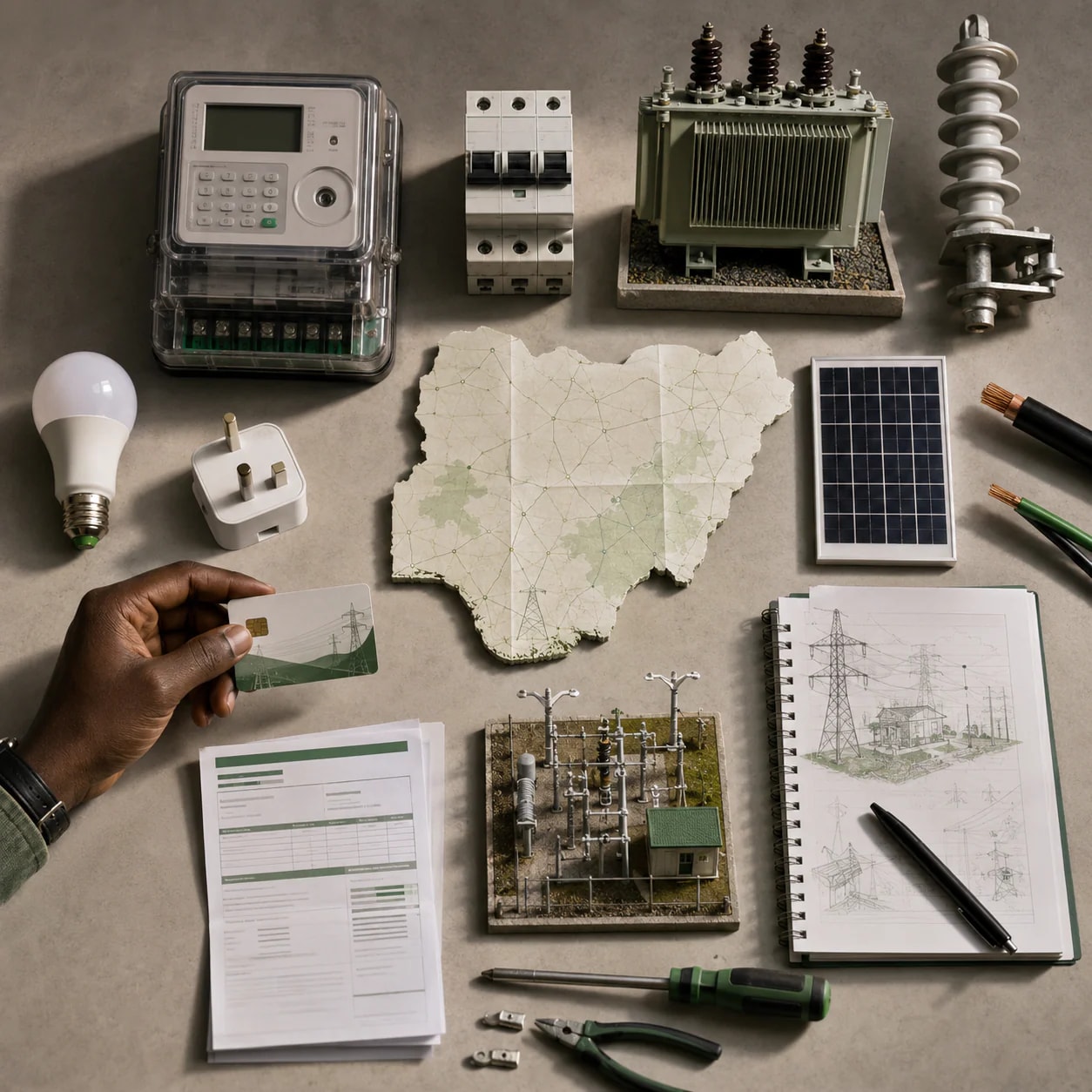
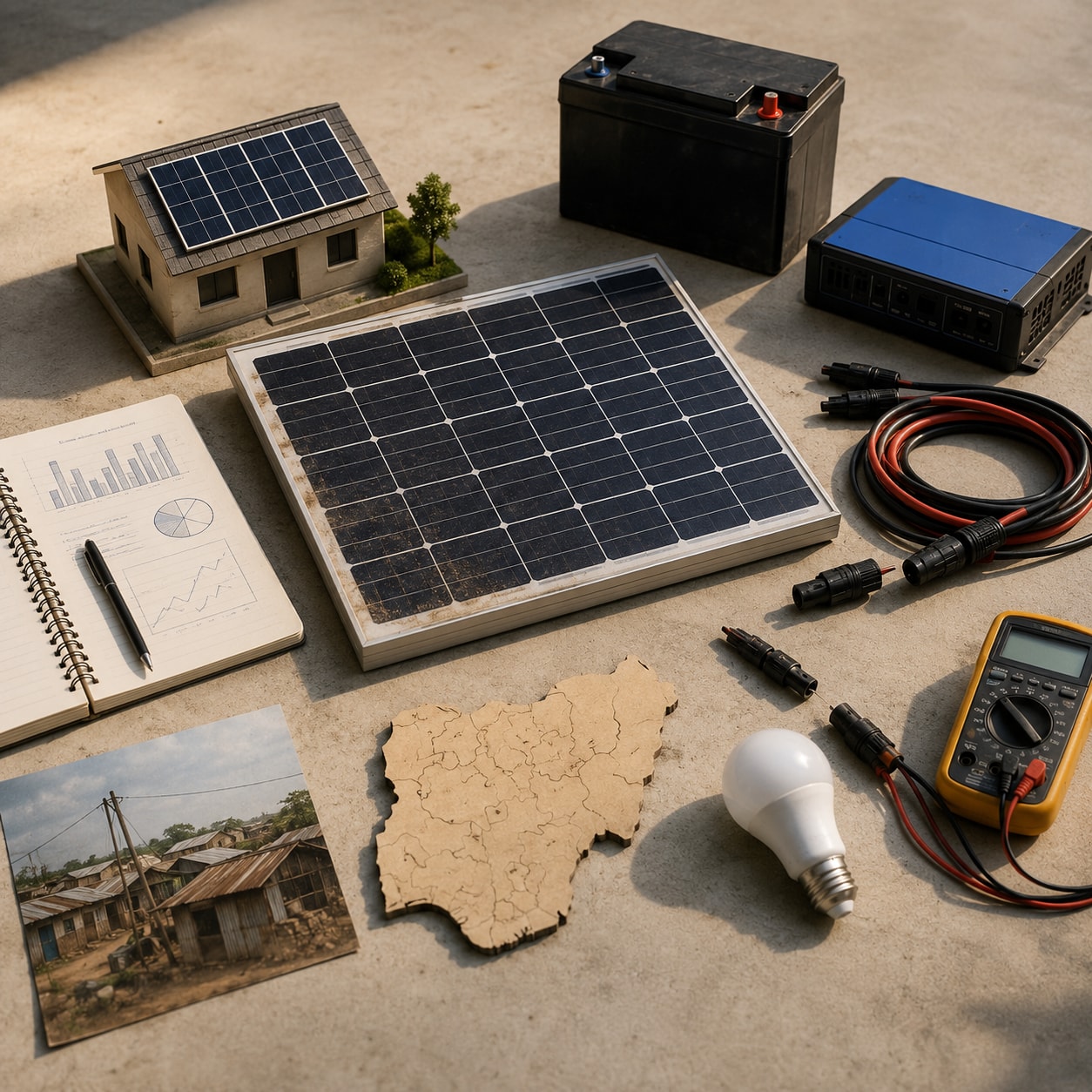
Readers who need a clearer view of Nigeria’s power landscape can use this hub to follow policy shifts, infrastructure developments, consumer issues, renewable-energy progress, and practical reference material in one place. The focus is on readable reporting, grounded explainers, and source-led resources that help professionals and the public separate signal from noise.
A clearer view of the power system
Nigeria’s electricity story is shaped by generation constraints, grid performance, distribution challenges, tariff debates, investment needs, and the everyday realities of supply. This homepage is designed to make that complexity easier to navigate. Instead of treating the sector as a single headline, it organizes coverage around the questions readers actually ask: what changed, who is affected, what evidence supports the claim, and where to look next for context.
For policymakers, researchers, journalists, and investors, that means a faster route to developments that matter. For households and businesses, it means practical guidance that connects sector decisions to billing, metering, outages, and service expectations.
Explore the main coverage areas
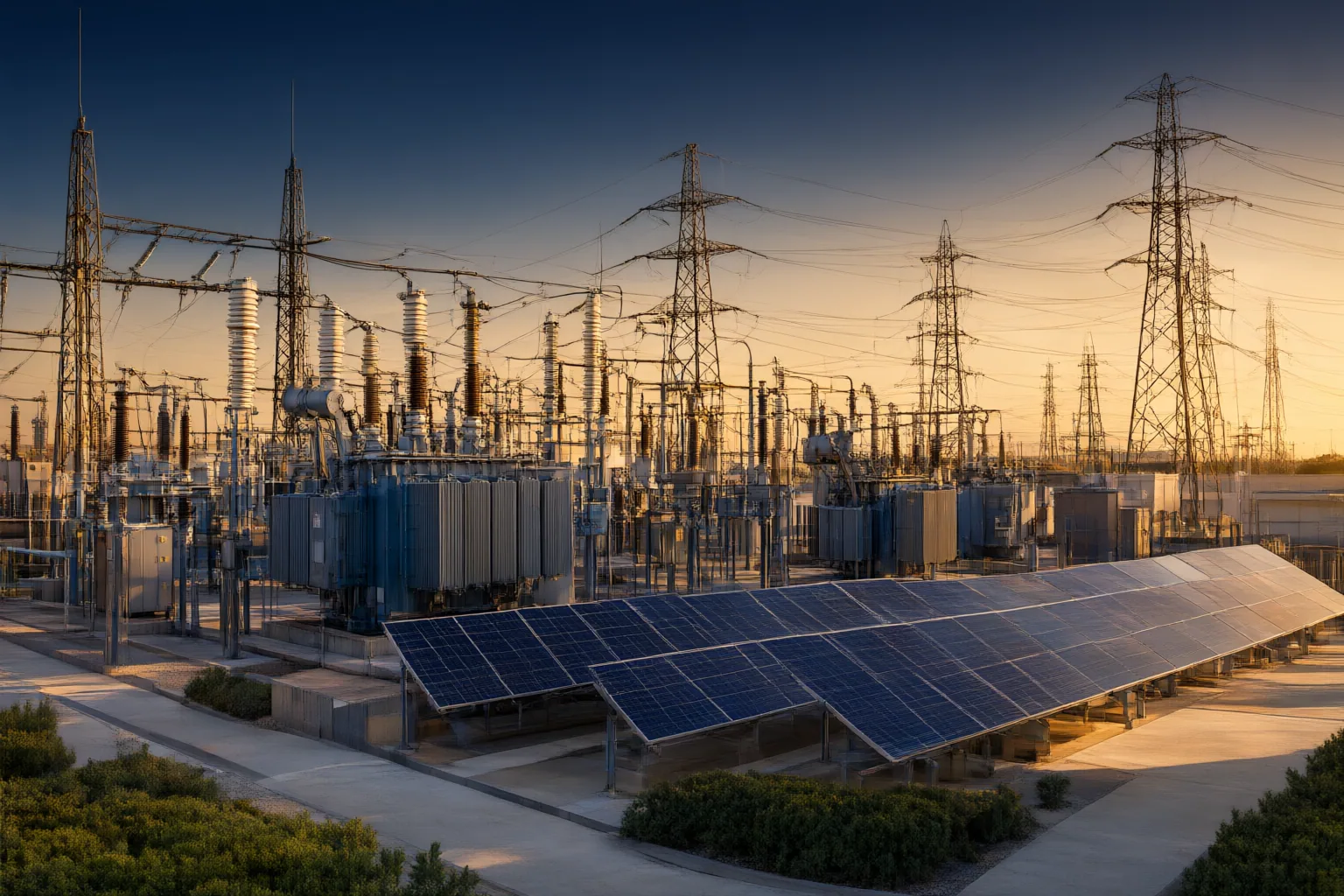
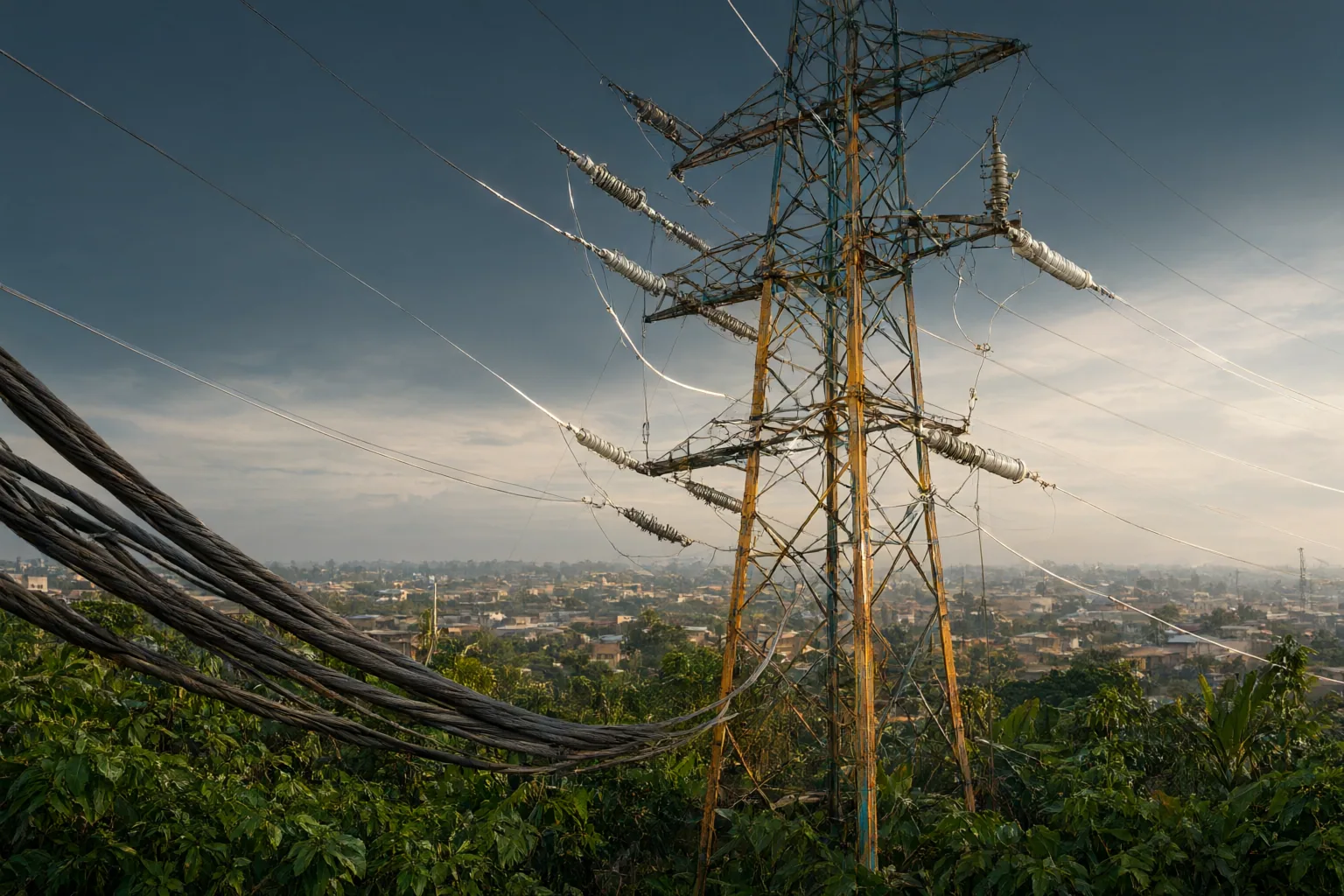
Start with Power Sector for reporting and analysis on regulation, market structure, generation, transmission, distribution, tariffs, and major infrastructure developments. This section is suited to readers tracking how decisions in government, regulation, and utility operations shape the wider electricity system.
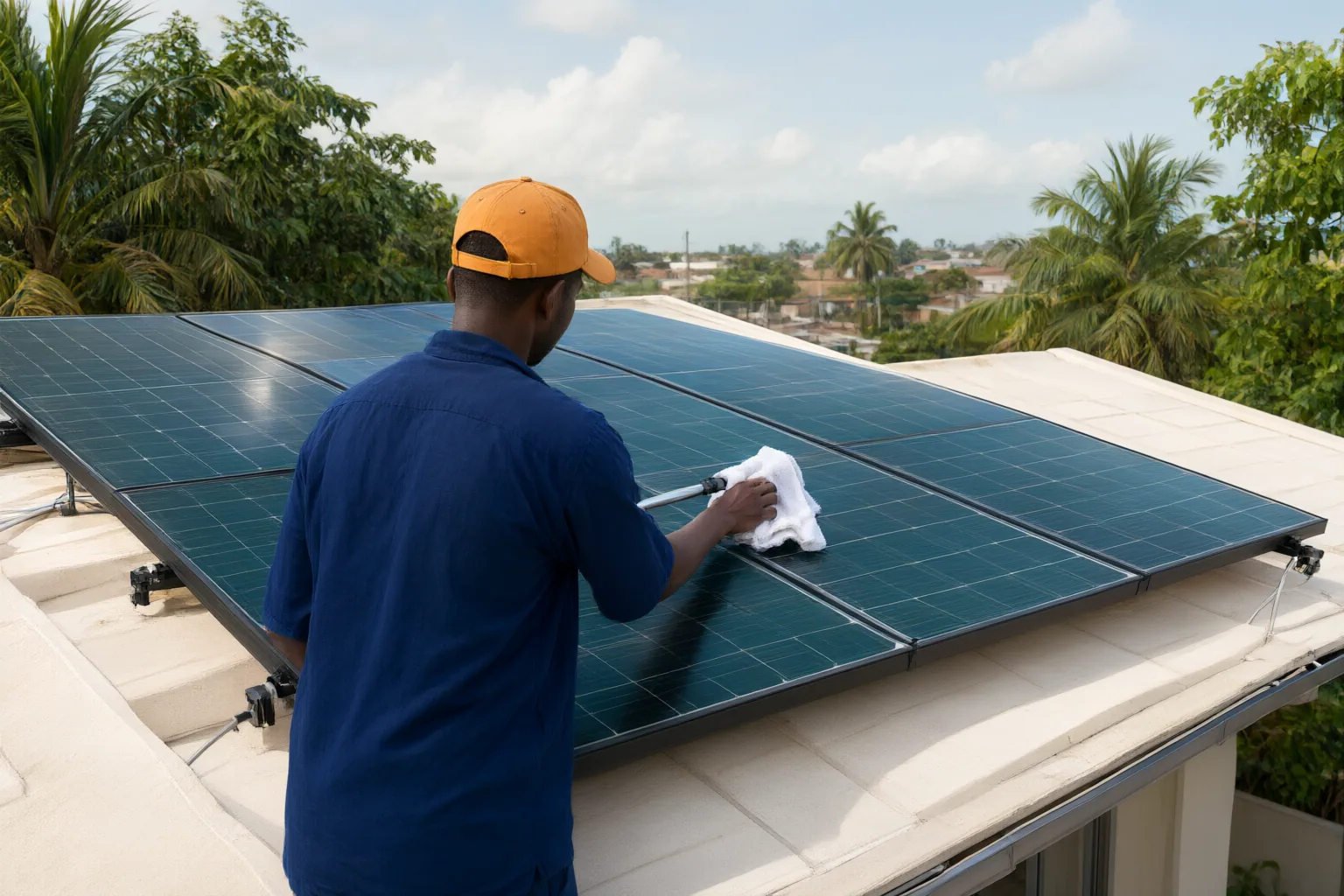
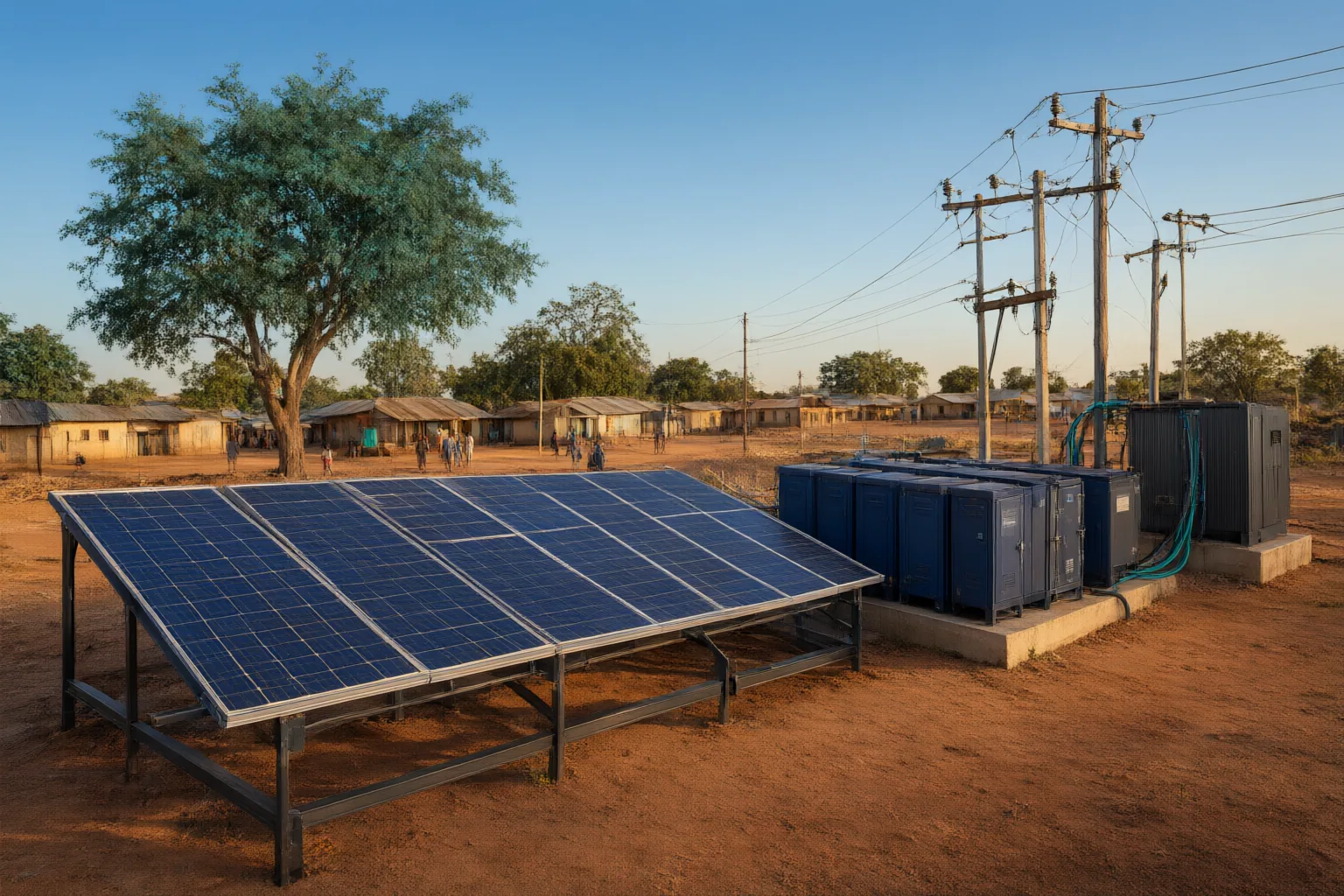
The Renewables section follows solar, hydro, wind, and other energy pathways that influence electricity access and system resilience. It is a useful entry point for readers interested in decentralized power, long-term energy transition, and the role of cleaner technologies in serving communities and businesses.
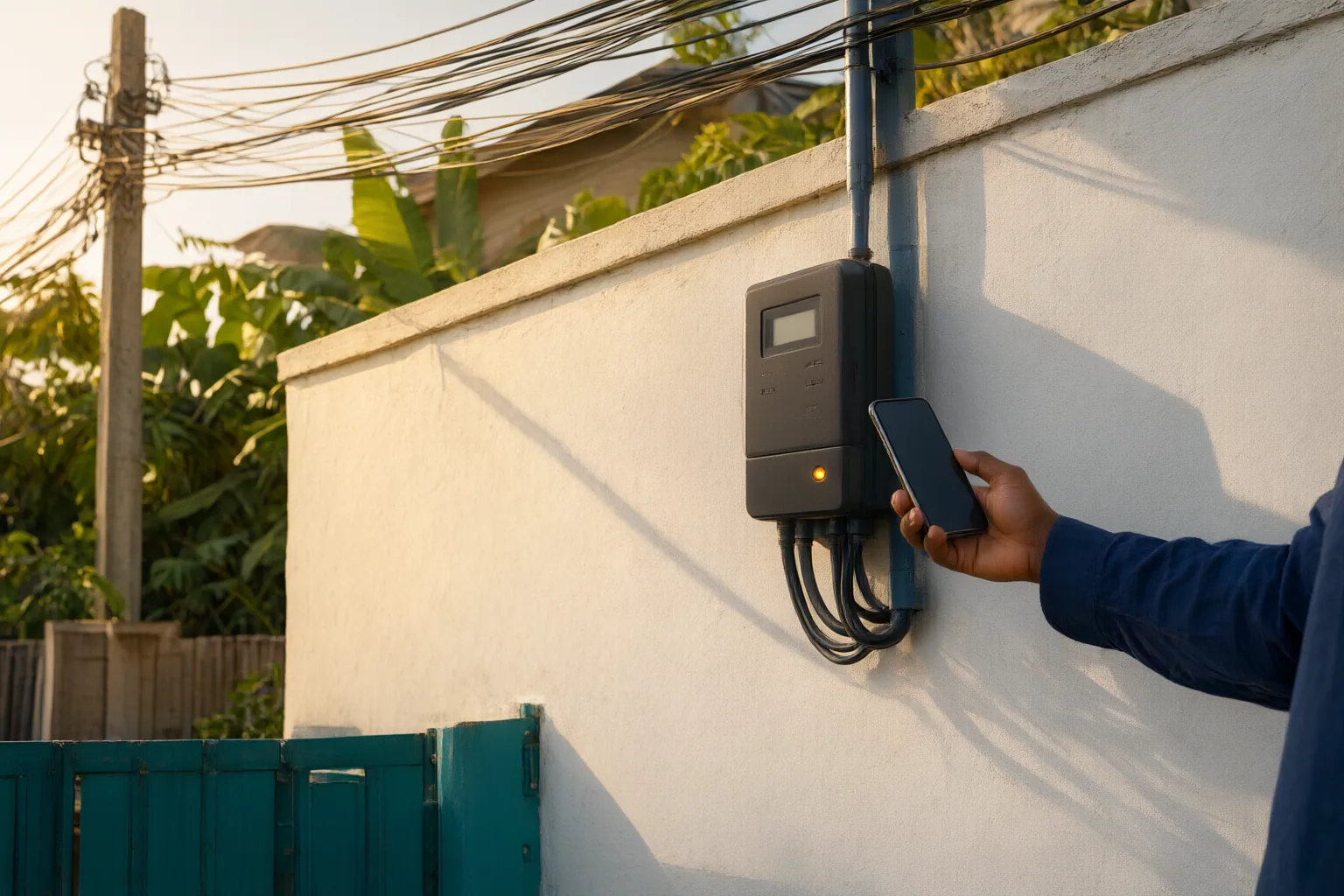
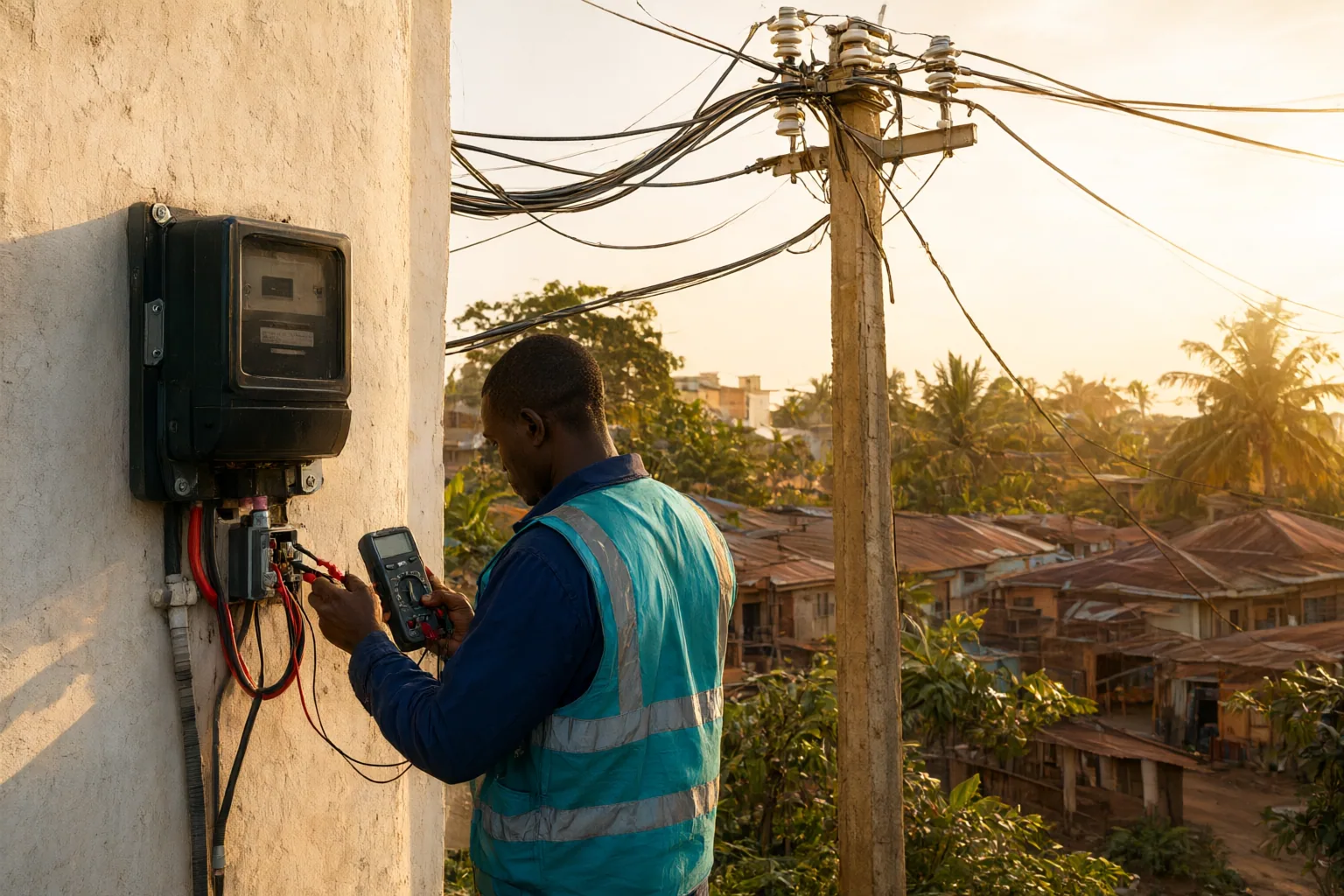
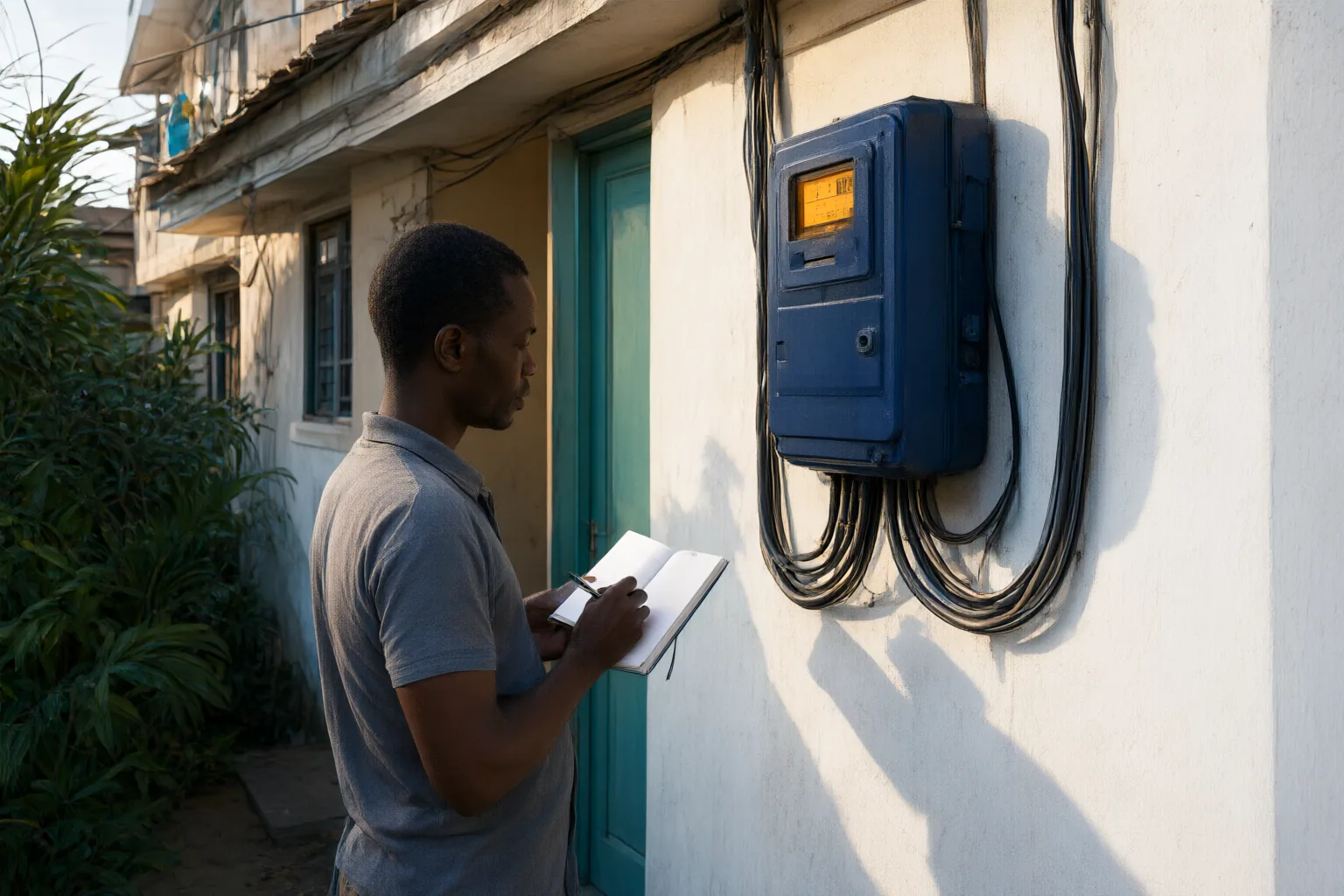
In Consumers, the emphasis shifts to everyday use. Readers can find practical explanations of outages, metering, billing concerns, electrical installations, and the institutions that represent electricity users. The goal is plain-language guidance that helps people understand what is normal, what deserves follow-up, and what documentation is worth checking.
Data & Reports brings together research resources, statistics, and reference materials for deeper work. This area is intended for readers who need something more durable than daily headlines: summarized findings, report context, and materials that support analysis, briefing notes, or newsroom backgrounding.
The Digital Safety section addresses a different but increasingly important problem: deceptive links, manipulated claims, and risky online services that can mislead readers seeking information. It offers evidence-led guidance on how to assess suspicious pages and warning signs without amplifying them.
Built for reporting, reference, and verification
A useful electricity publication does more than publish updates. It should also help readers judge credibility, compare developments over time, and understand the difference between raw claims and verified information. That is why this hub combines current coverage with explainers and reference-led pages.
Where available, readers should expect clear sourcing, update awareness, and context around sensitive or fast-moving claims. For data-heavy topics, the aim is not just to repeat figures but to show why they matter and how they fit into the broader picture of Nigeria’s electricity sector.
Who this hub serves
This site is built for a mixed audience: consumers trying to understand service issues, energy professionals following operations and policy, researchers looking for structured material, journalists needing background, and decision-makers watching sector trends. Whether the need is a quick orientation or a deeper research starting point, the homepage is meant to shorten the distance between a question and a reliable next step.
Use it as a front door into the sector: follow the latest developments, move into the topic that fits your needs, and return to the reference sections when a headline needs evidence, history, or practical context.